
$21.61
Add to Cart
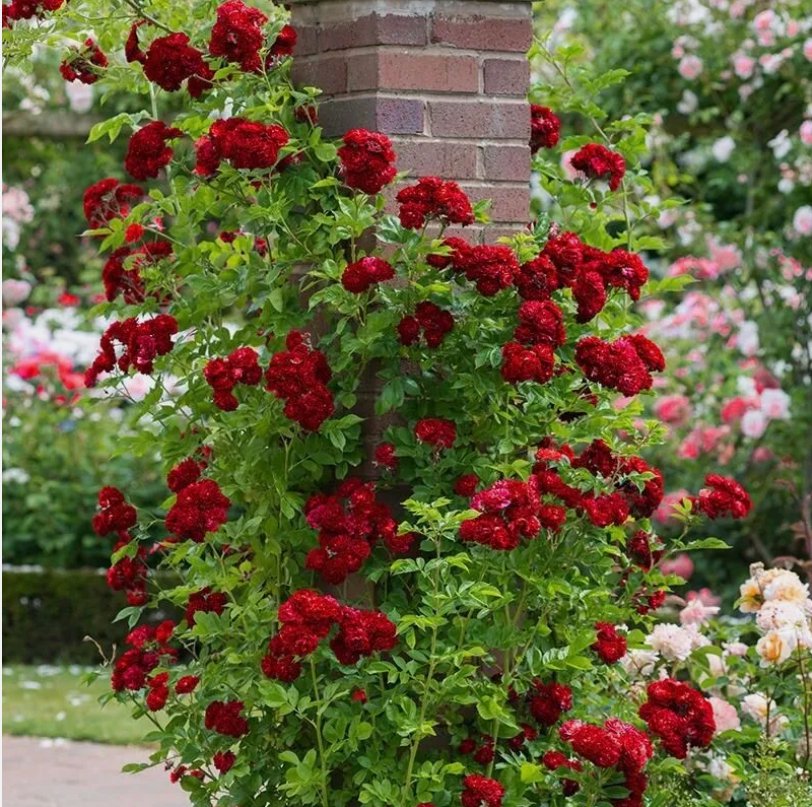
20 SEEDS for Crimson Red RARE CLIMBER climbing Rose bud flower exotic
More than 10 available
Details
Shipping: Australia: $9.00 (more destinations)
Condition: Brand new
Returns: 10 days, seller pays return shipping (more)
Germinating rose seeds and growing them into adult roses can be a rewarding but somewhat challenging process. Here are some general instructions to help you get started:
Seed Collection: Collect rose seeds from mature rose hips (the fruit of the rose plant) in late summer or early autumn when they are fully ripened. The hips should have turned a deep red or orange color. DONE PROFESSIONALLY
Seed Preparation: Gently extract the seeds from the rose hips and remove any surrounding pulp. Rinse the seeds under running water to clean them. DONE PROFESSIONALLY.
Stratification: Rose seeds require a period of cold stratification to break their dormancy and stimulate germination. There are two common methods for stratification:
a. Refrigerator Method: Place the clean seeds in a damp paper towel or in a ziplock bag with a moistened paper towel. Seal the bag and place it in the refrigerator at around 35-41°F (2-5°C) for 6-8 weeks. Check the moisture levels periodically and ensure the seeds don't dry out or become too wet.
b. Outdoor Method: Alternatively, you can sow the seeds directly in a prepared seedbed outdoors during the fall, so they naturally go through the cold winter temperatures. Protect the seedbed with a layer of mulch to prevent erosion and keep the seeds in place.
Seed Sowing: After stratification, sow the seeds in a well-draining potting mix. Use individual pots or seed trays, and plant the seeds about ¼ inch (0.6 cm) deep. Keep the soil lightly moist, but avoid overwatering to prevent seed rot.
Germination: Place the pots or trays in a warm location with indirect sunlight. The ideal temperature for germination is around 68-75°F (20-24°C). It may take several weeks or even months for the seeds to germinate, so be patient. Some varieties may take longer than others.
Seedling Care: Once the seedlings emerge, provide them with bright, indirect light. Ensure they receive at least 6-8 hours of sunlight or use fluorescent grow lights if necessary. Keep the soil consistently moist, but not waterlogged. Transplant the seedlings into individual pots when they develo
Seed Collection: Collect rose seeds from mature rose hips (the fruit of the rose plant) in late summer or early autumn when they are fully ripened. The hips should have turned a deep red or orange color. DONE PROFESSIONALLY
Seed Preparation: Gently extract the seeds from the rose hips and remove any surrounding pulp. Rinse the seeds under running water to clean them. DONE PROFESSIONALLY.
Stratification: Rose seeds require a period of cold stratification to break their dormancy and stimulate germination. There are two common methods for stratification:
a. Refrigerator Method: Place the clean seeds in a damp paper towel or in a ziplock bag with a moistened paper towel. Seal the bag and place it in the refrigerator at around 35-41°F (2-5°C) for 6-8 weeks. Check the moisture levels periodically and ensure the seeds don't dry out or become too wet.
b. Outdoor Method: Alternatively, you can sow the seeds directly in a prepared seedbed outdoors during the fall, so they naturally go through the cold winter temperatures. Protect the seedbed with a layer of mulch to prevent erosion and keep the seeds in place.
Seed Sowing: After stratification, sow the seeds in a well-draining potting mix. Use individual pots or seed trays, and plant the seeds about ¼ inch (0.6 cm) deep. Keep the soil lightly moist, but avoid overwatering to prevent seed rot.
Germination: Place the pots or trays in a warm location with indirect sunlight. The ideal temperature for germination is around 68-75°F (20-24°C). It may take several weeks or even months for the seeds to germinate, so be patient. Some varieties may take longer than others.
Seedling Care: Once the seedlings emerge, provide them with bright, indirect light. Ensure they receive at least 6-8 hours of sunlight or use fluorescent grow lights if necessary. Keep the soil consistently moist, but not waterlogged. Transplant the seedlings into individual pots when they develo


