
$278.75
Add to Cart
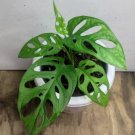
Monstera Halfmoon Albo Variegated Flower Rare Plant Live Rare Plant Exotic For Your Garden
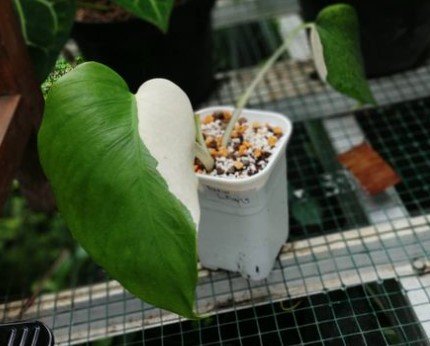
Monstera Halfmoon Albo Variegated Flower Rare Plant Live Rare Plant Exotic For Your Garden
The Monstera plant, also known as Swiss cheese plant or Monstera deliciosa, is a popular tropical houseplant with distinctively large, glossy leaves that are often full of natural holes (fenestrations). Here are some key features and characteristics of the Monstera plant:
1. **Foliage**: Monstera plants are known for their large, heart-shaped leaves that can grow up to 2 feet (60 cm) long or more. The leaves have a glossy texture and unique splits and holes, which develop as the plant matures. These fenestrations are more pronounced in mature plants grown in optimal conditions.
2. **Growth Habit**: Monstera plants are climbers in their natural habitat, using aerial roots to attach themselves to trees. As indoor plants, they are often grown with support or allowed to trail. They can also be trained to climb with the help of moss poles or trellises.
3. **Care**: Monstera plants prefer bright, indirect light but can tolerate lower light conditions. Direct sunlight should be avoided as it can scorch the leaves. They thrive in well-draining soil that remains consistently moist but not waterlogged. Allow the top inch or so of soil to dry out between waterings.
4. **Propagation**: Monstera plants can be propagated through stem cuttings. Cuttings should include a node (where leaves emerge) and can be rooted in water or directly in soil. Once roots develop, they can be potted into individual containers.
5. **Fruit**: In their natural habitat, mature Monstera plants produce edible fruit known as Monstera deliciosa. The fruit resembles a green ear of corn and is sometimes called "fruit salad plant." It is sweet when ripe and is safe for consumption after it ripens fully.
6. **Uses**: Monstera plants are primarily grown as ornamental houseplants due to their attractive foliage. They are commonly used to add a tropical or jungle-like vibe to indoor spaces, and their unique leaves make them a favorite among plant enthusiasts.
7. **Varieties**: Besides the classic Monstera deliciosa, there are other varieties and cultivars of Monstera plants, such as Monstera adansonii (Swiss cheese vine), which has smaller leaves with more pronounced holes.
Overall, Monstera plants are prized for their striking appearance and relatively easy care requirements, making them a popular choice for both beginners and experienced indoor gardeners looking to bring a bit of the tropics into their homes.
In the photo is not factual item...
The size live plant item depends on stock...
Thank you
The Monstera plant, also known as Swiss cheese plant or Monstera deliciosa, is a popular tropical houseplant with distinctively large, glossy leaves that are often full of natural holes (fenestrations). Here are some key features and characteristics of the Monstera plant:
1. **Foliage**: Monstera plants are known for their large, heart-shaped leaves that can grow up to 2 feet (60 cm) long or more. The leaves have a glossy texture and unique splits and holes, which develop as the plant matures. These fenestrations are more pronounced in mature plants grown in optimal conditions.
2. **Growth Habit**: Monstera plants are climbers in their natural habitat, using aerial roots to attach themselves to trees. As indoor plants, they are often grown with support or allowed to trail. They can also be trained to climb with the help of moss poles or trellises.
3. **Care**: Monstera plants prefer bright, indirect light but can tolerate lower light conditions. Direct sunlight should be avoided as it can scorch the leaves. They thrive in well-draining soil that remains consistently moist but not waterlogged. Allow the top inch or so of soil to dry out between waterings.
4. **Propagation**: Monstera plants can be propagated through stem cuttings. Cuttings should include a node (where leaves emerge) and can be rooted in water or directly in soil. Once roots develop, they can be potted into individual containers.
5. **Fruit**: In their natural habitat, mature Monstera plants produce edible fruit known as Monstera deliciosa. The fruit resembles a green ear of corn and is sometimes called "fruit salad plant." It is sweet when ripe and is safe for consumption after it ripens fully.
6. **Uses**: Monstera plants are primarily grown as ornamental houseplants due to their attractive foliage. They are commonly used to add a tropical or jungle-like vibe to indoor spaces, and their unique leaves make them a favorite among plant enthusiasts.
7. **Varieties**: Besides the classic Monstera deliciosa, there are other varieties and cultivars of Monstera plants, such as Monstera adansonii (Swiss cheese vine), which has smaller leaves with more pronounced holes.
Overall, Monstera plants are prized for their striking appearance and relatively easy care requirements, making them a popular choice for both beginners and experienced indoor gardeners looking to bring a bit of the tropics into their homes.
In the photo is not factual item...
The size live plant item depends on stock...
Thank you
Other Products from enternity (View All)
-
$83.58
-
$125.40

-
$278.75
-
$36.18
-
$36.18
-
$139.34
-
$139.34

-
$147.70
-
$133.76
-
$117.03


 ID, DI Yogyakarta
