
$151.83
Add to Cart
Alocasia reversa African Mask Flower Rare Plant Live Rare Plant Exotic For Your Garden
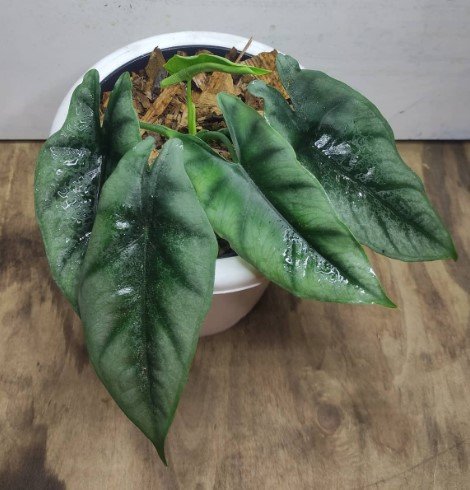
Alocasia reversa African Mask Flower Rare Plant Live Rare Plant Exotic For Your Garden
Alocasia is a genus of flowering plants in the family Araceae, which includes numerous species known for their large, dramatic leaves and tropical appearance. Here are some key features and characteristics of Alocasia plants:
1. **Foliage**: Alocasia plants are characterized by their large, arrowhead or heart-shaped leaves that can grow quite large, depending on the species and variety. The leaves often have prominent veins and can be glossy or matte in texture. The color of the leaves ranges from deep green to shades of purple, red, or variegated patterns.
2. **Growth Habit**: Alocasias can vary in growth habit. Some species are upright and form clumps, while others have a more spreading or climbing growth habit. Many Alocasia species are grown for their ornamental foliage, which adds a bold and tropical look to gardens or indoor spaces.
3. **Care**: Alocasias prefer bright, indirect light but can tolerate some morning sun. They thrive in well-draining, rich soil that retains moisture. It's important to keep the soil evenly moist during the growing season but avoid waterlogging, as this can lead to root rot. They benefit from occasional misting to increase humidity around the plant.
4. **Temperature and Humidity**: Alocasias prefer warm temperatures and high humidity, mimicking their native tropical habitats. They do well in average room temperatures ranging from 18°C to 25°C (65°F to 80°F) and appreciate humidity levels above 50%. Providing adequate humidity through misting or a humidity tray can help prevent leaf browning.
5. **Propagation**: Alocasias can be propagated through division of the rhizome or by taking stem cuttings. Cuttings should include at least one node and can be rooted in a moist rooting medium. Once roots develop, they can be potted into individual containers.
6. **Uses**: Alocasias are popular as ornamental plants both indoors and outdoors in suitable climates. They are often used as focal points in garden beds, borders, or containers. Their striking foliage makes them a favorite among collectors of tropical plants.
7. **Varieties**: There are many species and cultivars of Alocasia plants, each with unique leaf shapes, sizes, and colors. Some popular varieties include Alocasia amazonica (Amazonian Elephant Ear), Alocasia macrorrhiza (Giant Taro), and Alocasia 'Polly' (African Mask Plant).
8. **Caution**: Many Alocasia species contain oxalate crystals in their leaves, which can cause irritation if ingested or if the sap comes into contact with skin. It's advisable to handle these plants with care and keep them away from pets and children.
Overall, Alocasia plants are valued for their bold foliage and tropical aesthetic, making them a sought-after choice for adding drama and lushness to both indoor and outdoor spaces. Proper care and attention to their humidity and watering needs are essential for keeping them healthy and thriving.
In the photo is not factual item...
The size live plant item depends on stock...
Thank you
Alocasia is a genus of flowering plants in the family Araceae, which includes numerous species known for their large, dramatic leaves and tropical appearance. Here are some key features and characteristics of Alocasia plants:
1. **Foliage**: Alocasia plants are characterized by their large, arrowhead or heart-shaped leaves that can grow quite large, depending on the species and variety. The leaves often have prominent veins and can be glossy or matte in texture. The color of the leaves ranges from deep green to shades of purple, red, or variegated patterns.
2. **Growth Habit**: Alocasias can vary in growth habit. Some species are upright and form clumps, while others have a more spreading or climbing growth habit. Many Alocasia species are grown for their ornamental foliage, which adds a bold and tropical look to gardens or indoor spaces.
3. **Care**: Alocasias prefer bright, indirect light but can tolerate some morning sun. They thrive in well-draining, rich soil that retains moisture. It's important to keep the soil evenly moist during the growing season but avoid waterlogging, as this can lead to root rot. They benefit from occasional misting to increase humidity around the plant.
4. **Temperature and Humidity**: Alocasias prefer warm temperatures and high humidity, mimicking their native tropical habitats. They do well in average room temperatures ranging from 18°C to 25°C (65°F to 80°F) and appreciate humidity levels above 50%. Providing adequate humidity through misting or a humidity tray can help prevent leaf browning.
5. **Propagation**: Alocasias can be propagated through division of the rhizome or by taking stem cuttings. Cuttings should include at least one node and can be rooted in a moist rooting medium. Once roots develop, they can be potted into individual containers.
6. **Uses**: Alocasias are popular as ornamental plants both indoors and outdoors in suitable climates. They are often used as focal points in garden beds, borders, or containers. Their striking foliage makes them a favorite among collectors of tropical plants.
7. **Varieties**: There are many species and cultivars of Alocasia plants, each with unique leaf shapes, sizes, and colors. Some popular varieties include Alocasia amazonica (Amazonian Elephant Ear), Alocasia macrorrhiza (Giant Taro), and Alocasia 'Polly' (African Mask Plant).
8. **Caution**: Many Alocasia species contain oxalate crystals in their leaves, which can cause irritation if ingested or if the sap comes into contact with skin. It's advisable to handle these plants with care and keep them away from pets and children.
Overall, Alocasia plants are valued for their bold foliage and tropical aesthetic, making them a sought-after choice for adding drama and lushness to both indoor and outdoor spaces. Proper care and attention to their humidity and watering needs are essential for keeping them healthy and thriving.
In the photo is not factual item...
The size live plant item depends on stock...
Thank you


 ID, DI Yogyakarta
