
$63.04
On Hold
Deuterocohnia lorentziana Rare Plant Live Garden Plant rare Home Plant FREESHIPPING
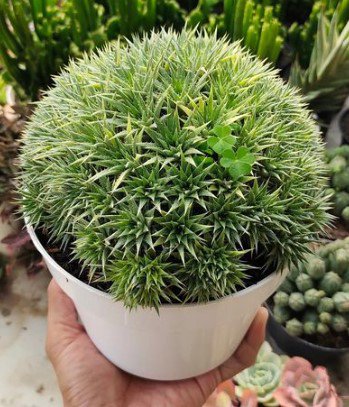
Deuterocohnia lorentziana Rare Plant Live Garden Plant rare Home Plant FREESHIPPING
Deuterocohnia lorentziana, also known as Lorentz's Bromeliad, is a unique plant that requires care similar to other bromeliads but with some specific considerations. Here are some guidelines for caring for Deuterocohnia lorentziana:
1. **Light**: Provide bright, indirect light for Deuterocohnia lorentziana. It can tolerate some direct sunlight, especially morning sun, but avoid intense afternoon sun which can scorch its leaves.
2. **Watering**: Like most bromeliads, Deuterocohnia lorentziana prefers to be kept moist but not waterlogged. Water the plant by filling the central cup (the rosette formed by its leaves) with water. Change the water in the cup regularly to prevent stagnation and avoid watering directly into the soil unless it's drying out.
3. **Humidity**: This plant appreciates higher humidity levels, so if your indoor environment is dry, misting the plant occasionally or placing it on a humidity tray with pebbles and water can be beneficial.
4. **Temperature**: Deuterocohnia lorentziana prefers moderate temperatures ranging from 65°F to 80°F (18°C to 27°C). Avoid exposing it to temperatures below 50°F (10°C), as it is sensitive to cold.
5. **Soil**: Use a well-draining potting mix suitable for bromeliads or orchids. A mix containing bark, perlite, and peat moss works well. Ensure the pot has drainage holes to prevent water from accumulating at the roots.
6. **Fertilizing**: Bromeliads like Deuterocohnia lorentziana are not heavy feeders. Use a diluted, balanced fertilizer (such as 10-10-10) at quarter strength once a month during the growing season (spring and summer). Avoid fertilizing during fall and winter when growth slows.
7. **Potting**: Repot Deuterocohnia lorentziana only when necessary, as they prefer to be somewhat root-bound. Use a shallow, wide pot to accommodate its rosette growth habit.
8. **Propagation**: Deuterocohnia lorentziana can be propagated by offsets, or pups, that form around the base of the mother plant. Wait until the pups are several inches tall before carefully detaching them and replanting them in their own pots.
9. **Maintenance**: Remove any dead or dried leaves from the plant as needed. Gently clean the central cup to prevent debris buildup, which can attract pests or cause rot.
10. **Pests and Diseases**: Bromeliads like Deuterocohnia lorentziana are generally resistant to pests and diseases, but watch for issues such as scale insects or rot if overwatered. Treat any pests promptly with an appropriate insecticide, and adjust watering practices to prevent rot.
By following these care tips, you can help ensure that your Deuterocohnia lorentziana remains healthy and continues to thrive in your home or garden.
In the photo is not factual item...
The size live plant item depends on stock...
Thank you
Deuterocohnia lorentziana, also known as Lorentz's Bromeliad, is a unique plant that requires care similar to other bromeliads but with some specific considerations. Here are some guidelines for caring for Deuterocohnia lorentziana:
1. **Light**: Provide bright, indirect light for Deuterocohnia lorentziana. It can tolerate some direct sunlight, especially morning sun, but avoid intense afternoon sun which can scorch its leaves.
2. **Watering**: Like most bromeliads, Deuterocohnia lorentziana prefers to be kept moist but not waterlogged. Water the plant by filling the central cup (the rosette formed by its leaves) with water. Change the water in the cup regularly to prevent stagnation and avoid watering directly into the soil unless it's drying out.
3. **Humidity**: This plant appreciates higher humidity levels, so if your indoor environment is dry, misting the plant occasionally or placing it on a humidity tray with pebbles and water can be beneficial.
4. **Temperature**: Deuterocohnia lorentziana prefers moderate temperatures ranging from 65°F to 80°F (18°C to 27°C). Avoid exposing it to temperatures below 50°F (10°C), as it is sensitive to cold.
5. **Soil**: Use a well-draining potting mix suitable for bromeliads or orchids. A mix containing bark, perlite, and peat moss works well. Ensure the pot has drainage holes to prevent water from accumulating at the roots.
6. **Fertilizing**: Bromeliads like Deuterocohnia lorentziana are not heavy feeders. Use a diluted, balanced fertilizer (such as 10-10-10) at quarter strength once a month during the growing season (spring and summer). Avoid fertilizing during fall and winter when growth slows.
7. **Potting**: Repot Deuterocohnia lorentziana only when necessary, as they prefer to be somewhat root-bound. Use a shallow, wide pot to accommodate its rosette growth habit.
8. **Propagation**: Deuterocohnia lorentziana can be propagated by offsets, or pups, that form around the base of the mother plant. Wait until the pups are several inches tall before carefully detaching them and replanting them in their own pots.
9. **Maintenance**: Remove any dead or dried leaves from the plant as needed. Gently clean the central cup to prevent debris buildup, which can attract pests or cause rot.
10. **Pests and Diseases**: Bromeliads like Deuterocohnia lorentziana are generally resistant to pests and diseases, but watch for issues such as scale insects or rot if overwatered. Treat any pests promptly with an appropriate insecticide, and adjust watering practices to prevent rot.
By following these care tips, you can help ensure that your Deuterocohnia lorentziana remains healthy and continues to thrive in your home or garden.
In the photo is not factual item...
The size live plant item depends on stock...
Thank you


 ID, Jawa Timur
