
$18.11
Add to Cart
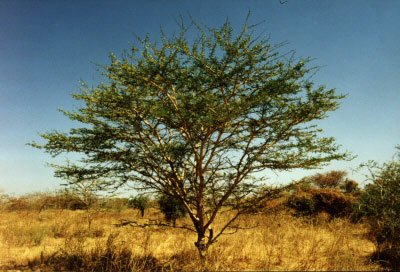
Arabic Gum Acacia Tree Seed 25 Count
More than 10 available
Details
Shipping: USPS calculated - check
Condition: Brand new
*The store has not been updated recently. You may want to contact the merchant to confirm the availability of the product.
Gum Arabic Tree Acacia Senegal Rfaudraksha, Gum Acacia, Gum Arabic Tree, Gum Senegal Tree Description: Few people know that this tree produces the flavoring for most popular soda pops including the top two sellers. Besides that, it is a beautiful tree with a flattened crown and attractive grey-green foliage. Will grow to 30' outside or can be container raised inside. Good greenhouse/container plant that can be raised inside anywhere or outside in zones 5a-11. USDA Zones: 5a-11. Temperature: A. senegal is not very sensitive to frost and is very heat tolerant. Making a very good selection for most areas of the USA, Canada, and Europe Water: Occurring between the 100 and 800 mm of MAR, mainly between 200 and 600 mm. It is extremely drought resistant as it occurs close to the very border of the Sahara and West Asian Deserts. Flowers: Flowering occurs in late spring and early summer. Growth Habit: Fast growing and with a dense habit it is ideal for windbreaks. Light: Dappled shade, part or full sun. Locations: From semi-wet, but well drained sites to dry rocky sites. Care Level: For low maintenance, cold area gardens. Propagation: Propagation is usually carried out from seed. Soil Type: Moist well drained or dry soils. Wildlife Benefits: Attracts seed-eating birds. Soil: In the drier parts of its area of distribution it tends to be restricted to sandy habitats and dry river beds, but to fine textured soils under the higher rainfalls of the South Sahelian and North Sudanian ecozones, it may also occur on shallow soils and duripan lithosols. The tolerance to pH is quite broad :5-8 pH . Propagation: Best propagated from seeds which are produced once every few years. Uses: Gum arabic; it produces gum arabic, which is used as a food additive, in crafts, and as a cosmetic. The gum is drained from cuts in the bark, and an individual tree will yield 200 to 300 grams. Seventy percent of the world's gum arabic is produced in Sudan. Rope; roots near the surface of the ground are quite useful in making all kinds of very strong ropes and cords. The tree bark is also used to make rope. Wood; handles for tools, parts for weaving looms. Other: Tree yields commercial gum arabic, used extensively in pharmaceutical preparations, inks, pottery pigments, water-colors, wax polishes, and liquid gum; for dressing fabrics, giving lustre to silk and crepe; for thickening colors and mordants in calico-printing; in confections and sweetmeats. Causing partial destruction of many alkaloids including atropine, hyoscyamine, scopolamine, homatropine, morphine, apomorphine, cocaine, and physostigmine, gum arabic might be viewed as a possible antidote. Pharmaceutically used mainly in the manufacture of emulsions and in making pills and troches (as an excipient); as demulcent for inflammations of the throat or stomach and as masking agent for acrid tasting substances such as capsicum; also as a film-forming agent in peel-off masks. Its major use is in foods, for example, as suspending or emulsifying agent, stabilizer, adhesive, flavor fixative, and to prevent crystallization of sugar, etc. Used in practically all categories of processed foods (candy, snack foods, alcoholic and nonalcoholic beverages, baked goods, frozen dairy desserts, gelatins, and puddings, imitation dairy products, breakfast cereals, and fats and oils). Use levels range from less than 0.004% (40 ppm) in soups and milk products, 0.7 to 2.9% in nonalcoholic beverages, imitation dairy, and snack foods, to as high as 45% in candy products. Each packet of seed contains 25 OR MORE seed of this species


