
$17.76
On Hold
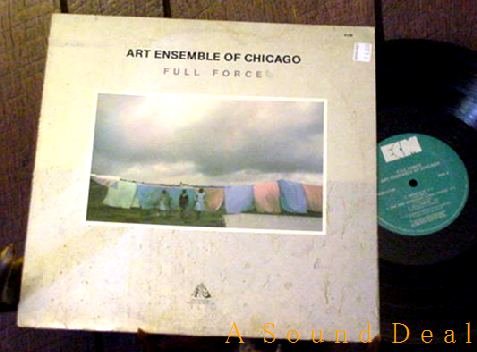
ART ENSEMBLE OF CHICAGO ECM '80 LP FULL FORCE FREE JAZZ


Only 1 available
Details
Shipping: USPS calculated - check
Condition: Used
*The store has not been updated recently. You may want to contact the merchant to confirm the availability of the product.
ART ENSEMBLE OF CHICAGO FULL FORCE LPCategory / Style / Moods: Jazz Avant-Garde Jazz, Avant-Garde, Free Jazz12.77 / 2007-09-06 S asocc1980 ECM US LPTITLE: FULL FORCEARTIST: ART ENSEMBLE OF CHICAGOCONDITIONCOVER: VG PSOCVINYL: VG++ TO NEAR MINTClick here for info on grading and abbreviationsORIGINAL PRESSClick the pix for a better view TRACKS: Disc: 11.Magg ZelmaFavors 19:502.CarefreeMitchell :503.Charlie MBowie 9:184.Ol' Time Southside Street DanceJarman 5:125.Full ForceBowie, Favors, Jarman ... 7:24Credits: Bass, Percussion, Melodica, Vocals - Malachi Favors Engineer [Mixing] - Martin Wieland Engineer [Recording] - David Baker (2) Percussion - Famoudou Don Moye Producer - Manfred Eicher Saxophone, Flute, Clarinet, Gong - Roscoe Mitchell Saxophone, Vocals, Flute, Clarinet - Joseph Jarman Trumpet - Lester Bowie Notes: Recorded January 1980 at Columbia Recording Studios, New York. All compositions by the Art Ensemble Of Chicago. Biography by Chris Kelsey Originally comprised of saxophonists Roscoe Mitchell and Joseph Jarman, trumpeter Lester Bowie, bassist Malachi Favors, and later, drummer Famoudou Don Moye, the Art Ensemble of Chicago enjoyed a critical reputation as the finest and most influential avant-garde jazz ensemble of the 1970s and '80s. Whether or not that reputation was wholly deserved is, in retrospect, subject to debate -- the World Saxophone Quartet and the Cecil Taylor Unit may well have been more influential. Nevertheless, the Art Ensemble was unquestionably a groundbreaking band. In the late '60s and early '70s, the Art Ensemble helped pioneer the fusion of jazz with European art music and indigenous African musics. It also fused jazz with itself; that is to say, the band combined elements of jazz history and pre-history -- for instance, music from the sanctified church services, minstrel shows, and bawdy houses of late 19th and early 20th century America -- with a modernist spirit of experimentation. A pronounced theatrical element was also essential to their work. Its members attained a measure of jazz stardom on their own -- particularly Bowie and, to a lesser extent, Mitchell -- but in the Art Ensemble, no single individual was greater than the whole. The band was an assortment of composers and improvisers of great individuality. Collectively, they created a compelling and unique entity. The group grew out of the Roscoe Mitchell Art Ensemble of the mid-'60s, which had in-turn grown out of Chicago pianist Muhal Richard Abrams' Experimental Band of the early-'60s. The latter was a rehearsal band, created for the purpose of playing scores written by many of the city's forward-thinking young African-American jazz composers. It attracted, among others, Mitchell, Jarman, and Favors. The two saxophonists had both served in the military, though not together; they met while students at Wilson Junior College. Favors had been an established member of the Chicago jazz scene since the '50s. All three were early members of the Association for the Advancement of Creative Musicians (AACM) a collective organized by Abrams and several like-minded fellow musicians. Lester Bowie moved to Chicago from St. Louis in 1966. Within days of arriving, he began rehearsing with Mitchell. In 1966, the Roscoe Mitchell Sextet (with Bowie and Favors) recorded Sound, the first album to come out of the AACM. In August 1967, Bowie recorded Numbers 1&2 for Delmark; on "2," the four musicians who would become the Art Ensemble recorded together for the first time. As the Roscoe Mitchell Art Ensemble, the band performed sans drummer for the next two years. In 1969 the band moved to Paris, where they met and hired "Sun Percussionist" Don Moye, who had come to Europe from Detroit with trumpeter Charles Moore's band. Renamed the Art Ensemble of Chicago, the group had a great deal of success in Europe, recording classic albums like Reese and the Smooth Ones (BYG) and People in Sorrow (Nessa). They moved back to Chicago in 1971; their 1972 homecoming concert was recorded and issued as Live at Mandel Hall (Delmark). This exquisite piece of retro music history is a vinyl sound recording (not a CD). Please visit the A Sound Deal store for similar items and information on grading and shipping. Add me to your favorites for red hot sales bulletins and sneak previews of upcoming products. Combine Items to Save $$$! Click here to check the store for more!©A Sound Deal


