
$13.66
Add to Cart
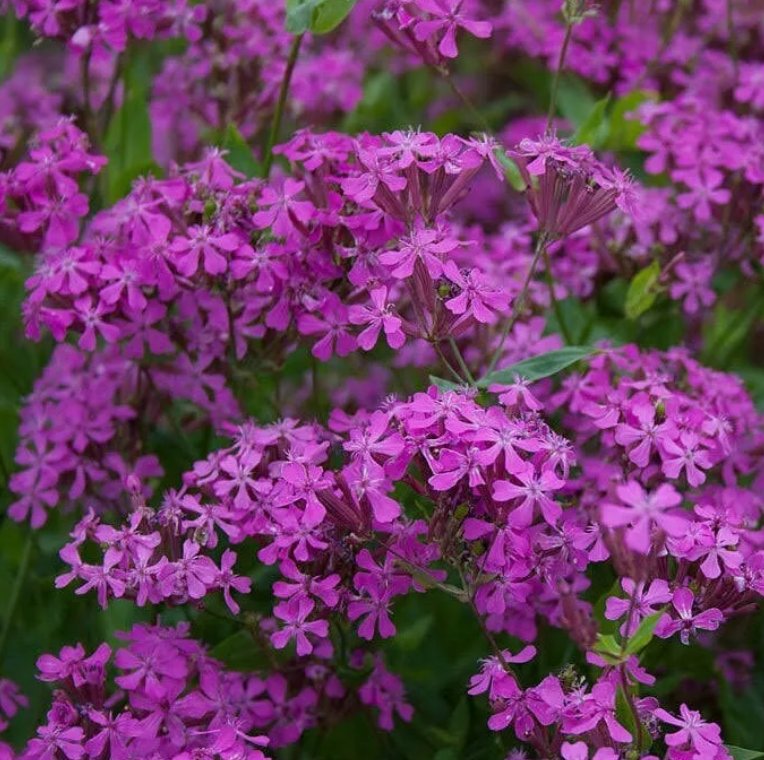
20 nodding catchfly flower butterfly magnet seeds for spring summer peppermint
More than 10 available
Details
Shipping: Australia: $9.00 (more destinations)
Condition: Brand new
Returns: 10 days, seller pays return shipping (more)
Beautiful pink purple Yellow white Flowers sourced in Tennessee fast growing these are known as magnets for butterflies
Planting nodding catchfly (Silene pendula) can add a touch of charm and color to your garden with its delightful pink, red, or white blooms. Here’s a detailed guide to help you plant and care for nodding catchfly successfully:
### 1. **Choosing the Right Location**
- **Light Requirements:** Nodding catchfly thrives in full sun to partial shade. Choose a location that receives at least 6 hours of sunlight daily.
- **Soil Conditions:** This plant prefers well-draining soil. It can tolerate a variety of soil types, but ensuring good drainage is key to prevent root rot.
### 2. **Soil Preparation**
- **Testing and Amending Soil:** It’s beneficial to test your soil’s pH. Nodding catchfly does well in neutral to slightly acidic soil. Amend your soil with compost or well-rotted manure to improve fertility and drainage.
- **Tilling:** Loosen the soil to a depth of about 6-8 inches. This encourages good root development.
### 3. **Sowing Seeds**
- **Timing:** The best time to sow nodding catchfly seeds is in spring after the threat of frost has passed. In warmer climates, seeds can be sown in autumn.
- **Direct Sowing:** Scatter the seeds lightly over the prepared soil. Press them gently into the soil but do not cover them, as they need light to germinate. Water the area gently to moisten the soil without disturbing the seeds.
- **Spacing:** If planting multiple seeds, aim for a spacing of about 6 to 8 inches apart. This allows sufficient room for the plants to grow.
### 4. **Watering**
- **Initial Care:** Keep the soil evenly moist but not waterlogged until germination, which usually takes 14-21 days.
- **Ongoing Care:** Once established, nodding catchfly is somewhat drought-tolerant. Water the plants during prolonged dry spells to keep the soil moist, but avoid overwatering.
### 5. **Fertilizing**
- **Feeding:** Apply a balanced, slow-release fertilizer at planting time to support healthy growth. Over-fertilizing can encourage more foliage growth at the expense of blooms.
### 6. **Mulching and Weeding**
- **Mulch:** Applying a layer of organic mulch can help retain soil moisture and suppress weeds. Keep the mulch a few inches away from the plant stems to prevent rot.
- **Weed Control:** Remove weeds regularly around your nodding catchfly plants to reduce competition for nutrients and water.
Planting nodding catchfly (Silene pendula) can add a touch of charm and color to your garden with its delightful pink, red, or white blooms. Here’s a detailed guide to help you plant and care for nodding catchfly successfully:
### 1. **Choosing the Right Location**
- **Light Requirements:** Nodding catchfly thrives in full sun to partial shade. Choose a location that receives at least 6 hours of sunlight daily.
- **Soil Conditions:** This plant prefers well-draining soil. It can tolerate a variety of soil types, but ensuring good drainage is key to prevent root rot.
### 2. **Soil Preparation**
- **Testing and Amending Soil:** It’s beneficial to test your soil’s pH. Nodding catchfly does well in neutral to slightly acidic soil. Amend your soil with compost or well-rotted manure to improve fertility and drainage.
- **Tilling:** Loosen the soil to a depth of about 6-8 inches. This encourages good root development.
### 3. **Sowing Seeds**
- **Timing:** The best time to sow nodding catchfly seeds is in spring after the threat of frost has passed. In warmer climates, seeds can be sown in autumn.
- **Direct Sowing:** Scatter the seeds lightly over the prepared soil. Press them gently into the soil but do not cover them, as they need light to germinate. Water the area gently to moisten the soil without disturbing the seeds.
- **Spacing:** If planting multiple seeds, aim for a spacing of about 6 to 8 inches apart. This allows sufficient room for the plants to grow.
### 4. **Watering**
- **Initial Care:** Keep the soil evenly moist but not waterlogged until germination, which usually takes 14-21 days.
- **Ongoing Care:** Once established, nodding catchfly is somewhat drought-tolerant. Water the plants during prolonged dry spells to keep the soil moist, but avoid overwatering.
### 5. **Fertilizing**
- **Feeding:** Apply a balanced, slow-release fertilizer at planting time to support healthy growth. Over-fertilizing can encourage more foliage growth at the expense of blooms.
### 6. **Mulching and Weeding**
- **Mulch:** Applying a layer of organic mulch can help retain soil moisture and suppress weeds. Keep the mulch a few inches away from the plant stems to prevent rot.
- **Weed Control:** Remove weeds regularly around your nodding catchfly plants to reduce competition for nutrients and water.


