
$21.61
Add to Cart
20 SEEDS For Deep Red CLEMATIS rare flower exotic vine bush plant
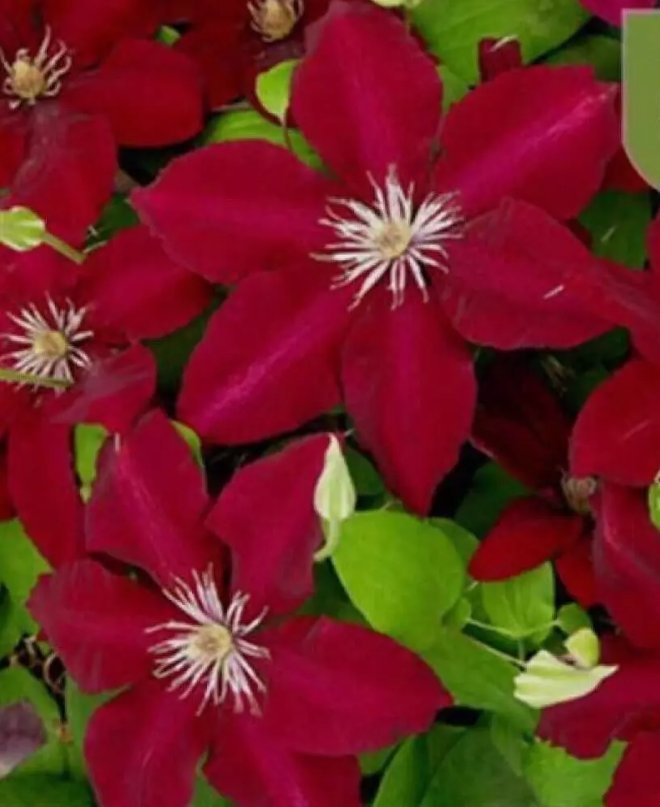
More than 10 available
Details
Shipping: Australia: $9.00 (more destinations)
Condition: Brand new
Returns: 10 days, seller pays return shipping (more)
The germination rate of clematis seeds can vary depending on several factors, including the clematis species or cultivar, the age and viability of the seeds, and the conditions in which they are germinated. Clematis seeds are known for their variable and sometimes low germination rates. On average, you can expect germination rates of 20% to 50% for clematis seeds.
Here are some factors that can influence the germination rate:
1. Seed Viability: The fresher the seeds, the higher the germination rate. Clematis seeds should be collected from mature plants and stored properly to maintain their viability.
2. Species or Cultivar: Different clematis species and cultivars may have varying germination rates. Some species and hybrids have seeds that are easier to germinate than others.
3. Seed Preparation: Proper scarification and stratification can significantly improve germination rates. Not all clematis seeds require these treatments, but some species do.
4. Environmental Conditions: Maintaining consistent temperature, humidity, and moisture levels during the germination process is crucial. Inconsistent or unfavorable conditions can lead to lower germination rates.
5. Seed Quality: The quality of the seeds, including their size, shape, and overall health, can affect germination rates.
6. Light and Oxygen: Some clematis seeds benefit from exposure to light during germination, while others require darkness. Proper aeration is also essential to prevent fungal issues.
7. Patience: Clematis seeds can be slow to germinate. Some may sprout within a few weeks, while others may take several months. Patience is key.
Here are some factors that can influence the germination rate:
1. Seed Viability: The fresher the seeds, the higher the germination rate. Clematis seeds should be collected from mature plants and stored properly to maintain their viability.
2. Species or Cultivar: Different clematis species and cultivars may have varying germination rates. Some species and hybrids have seeds that are easier to germinate than others.
3. Seed Preparation: Proper scarification and stratification can significantly improve germination rates. Not all clematis seeds require these treatments, but some species do.
4. Environmental Conditions: Maintaining consistent temperature, humidity, and moisture levels during the germination process is crucial. Inconsistent or unfavorable conditions can lead to lower germination rates.
5. Seed Quality: The quality of the seeds, including their size, shape, and overall health, can affect germination rates.
6. Light and Oxygen: Some clematis seeds benefit from exposure to light during germination, while others require darkness. Proper aeration is also essential to prevent fungal issues.
7. Patience: Clematis seeds can be slow to germinate. Some may sprout within a few weeks, while others may take several months. Patience is key.


