
$83.04
Add to Cart
Adenium Obesum Flower Rare Plant Live Rare Plant Exotic For Your Garden
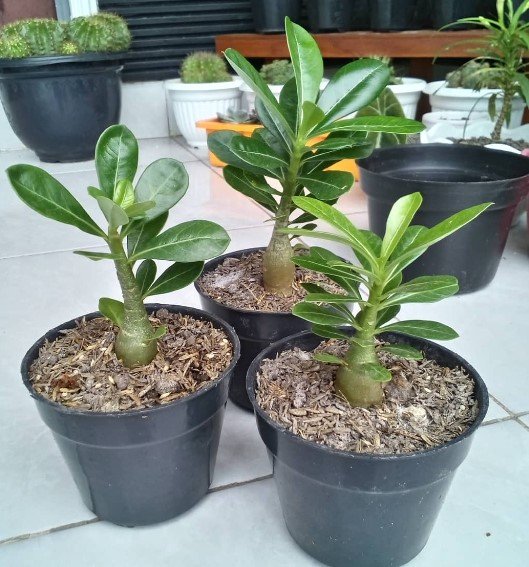
Adenium Obesum Flower Rare Plant Live Rare Plant Exotic For Your Garden
**Adenium obesum**, commonly known as **Desert Rose**, is a striking succulent plant known for its unique appearance and beautiful blooms. Here's a comprehensive guide to caring for this eye-catching plant:
### **Appearance**
- **Leaves**: Adenium obesum features glossy, dark green, oval-shaped leaves that are usually clustered at the tips of its branches. The leaves are succulent and help the plant retain moisture.
- **Flowers**: The plant is renowned for its stunning flowers, which can be trumpet-shaped and come in various colors including pink, red, white, and sometimes even bi-color. The flowers are often vibrant and can be quite showy.
- **Growth**: Desert Rose has a distinctive swollen, bulbous base known as a caudex, which stores water. The plant typically grows to about 1-3 feet (30-90 cm) in height, with a branching, bushy habit. The caudex can become quite large and woody with age, adding to its unique appearance.
### **Care**
- **Light**: Adenium obesum thrives in bright, direct sunlight. It needs plenty of light to produce its vibrant flowers and maintain its compact shape. Place it in a south or west-facing window where it can receive several hours of direct sunlight daily.
- **Water**: Water the plant thoroughly when the top inch of soil is dry. Adeniums are drought-tolerant and prefer to dry out between waterings. Overwatering can lead to root rot, so ensure the pot has good drainage and avoid letting the plant sit in standing water.
- **Humidity**: This plant prefers low to average humidity levels. It is well-suited to dry indoor environments and does not require additional humidity. Good air circulation around the plant is beneficial.
- **Temperature**: Adenium obesum prefers warm temperatures between 65-95°F (18-35°C). It is sensitive to cold and should be protected from temperatures below 50°F (10°C). If grown indoors, avoid placing it near cold drafts or air conditioning vents.
### **Soil**
- **Soil**: Use a well-draining cactus or succulent mix. A mix specifically formulated for succulents or a blend of potting soil with perlite or sand to improve drainage is ideal. The soil should dry out between waterings to prevent root rot.
### **Propagation**
- **Seeds**: Adenium obesum can be propagated from seeds. Sow seeds in a well-draining mix and keep them warm and humid until they germinate. Seeds typically germinate within 1-2 weeks under optimal conditions.
- **Cuttings**: You can also propagate the plant from stem cuttings. Take a healthy cutting and let the cut end callous over for a day or two before planting in a well-draining mix. Keep the cutting in a warm, bright location and water lightly until roots develop.
### **Maintenance**
- **Pruning**: Prune the plant to maintain its shape and encourage branching. Remove any dead or damaged leaves or stems. Pruning can also help to promote more blooms.
- **Cleaning**: Wipe the leaves occasionally with a dry or slightly damp cloth to remove dust and keep the plant looking its best.
### **Pests and Problems**
- **Pests**: Adenium obesum is relatively pest-resistant but can occasionally attract pests like aphids, spider mites, or mealybugs. Inspect the plant regularly and treat any infestations with insecticidal soap or neem oil if necessary.
- **Common Issues**:
- **Yellowing Leaves**: Yellow leaves can indicate overwatering, poor drainage, or nutrient deficiencies. Ensure proper watering practices and check for root rot.
- **Leaf Drop**: Leaf drop can occur if the plant experiences sudden changes in temperature or light. Maintain stable environmental conditions to keep the plant healthy.
### **Toxicity**
- **Toxicity**: Adenium obesum is toxic if ingested. The plant contains compounds that can cause gastrointestinal upset and other symptoms in pets and humans. Keep the plant out of reach of pets and children to prevent accidental ingestion.
**Adenium obesum** is a dramatic and beautiful plant that adds a touch of exotic appeal to any indoor garden. With its unique caudex and stunning flowers, it is a rewarding plant for those who can meet its care requirements.
In the photo is not factual item...
The size live plant item depends on stock...
Thank you
**Adenium obesum**, commonly known as **Desert Rose**, is a striking succulent plant known for its unique appearance and beautiful blooms. Here's a comprehensive guide to caring for this eye-catching plant:
### **Appearance**
- **Leaves**: Adenium obesum features glossy, dark green, oval-shaped leaves that are usually clustered at the tips of its branches. The leaves are succulent and help the plant retain moisture.
- **Flowers**: The plant is renowned for its stunning flowers, which can be trumpet-shaped and come in various colors including pink, red, white, and sometimes even bi-color. The flowers are often vibrant and can be quite showy.
- **Growth**: Desert Rose has a distinctive swollen, bulbous base known as a caudex, which stores water. The plant typically grows to about 1-3 feet (30-90 cm) in height, with a branching, bushy habit. The caudex can become quite large and woody with age, adding to its unique appearance.
### **Care**
- **Light**: Adenium obesum thrives in bright, direct sunlight. It needs plenty of light to produce its vibrant flowers and maintain its compact shape. Place it in a south or west-facing window where it can receive several hours of direct sunlight daily.
- **Water**: Water the plant thoroughly when the top inch of soil is dry. Adeniums are drought-tolerant and prefer to dry out between waterings. Overwatering can lead to root rot, so ensure the pot has good drainage and avoid letting the plant sit in standing water.
- **Humidity**: This plant prefers low to average humidity levels. It is well-suited to dry indoor environments and does not require additional humidity. Good air circulation around the plant is beneficial.
- **Temperature**: Adenium obesum prefers warm temperatures between 65-95°F (18-35°C). It is sensitive to cold and should be protected from temperatures below 50°F (10°C). If grown indoors, avoid placing it near cold drafts or air conditioning vents.
### **Soil**
- **Soil**: Use a well-draining cactus or succulent mix. A mix specifically formulated for succulents or a blend of potting soil with perlite or sand to improve drainage is ideal. The soil should dry out between waterings to prevent root rot.
### **Propagation**
- **Seeds**: Adenium obesum can be propagated from seeds. Sow seeds in a well-draining mix and keep them warm and humid until they germinate. Seeds typically germinate within 1-2 weeks under optimal conditions.
- **Cuttings**: You can also propagate the plant from stem cuttings. Take a healthy cutting and let the cut end callous over for a day or two before planting in a well-draining mix. Keep the cutting in a warm, bright location and water lightly until roots develop.
### **Maintenance**
- **Pruning**: Prune the plant to maintain its shape and encourage branching. Remove any dead or damaged leaves or stems. Pruning can also help to promote more blooms.
- **Cleaning**: Wipe the leaves occasionally with a dry or slightly damp cloth to remove dust and keep the plant looking its best.
### **Pests and Problems**
- **Pests**: Adenium obesum is relatively pest-resistant but can occasionally attract pests like aphids, spider mites, or mealybugs. Inspect the plant regularly and treat any infestations with insecticidal soap or neem oil if necessary.
- **Common Issues**:
- **Yellowing Leaves**: Yellow leaves can indicate overwatering, poor drainage, or nutrient deficiencies. Ensure proper watering practices and check for root rot.
- **Leaf Drop**: Leaf drop can occur if the plant experiences sudden changes in temperature or light. Maintain stable environmental conditions to keep the plant healthy.
### **Toxicity**
- **Toxicity**: Adenium obesum is toxic if ingested. The plant contains compounds that can cause gastrointestinal upset and other symptoms in pets and humans. Keep the plant out of reach of pets and children to prevent accidental ingestion.
**Adenium obesum** is a dramatic and beautiful plant that adds a touch of exotic appeal to any indoor garden. With its unique caudex and stunning flowers, it is a rewarding plant for those who can meet its care requirements.
In the photo is not factual item...
The size live plant item depends on stock...
Thank you


 ID, DI Yogyakarta
