
$85.91
Add to Cart
Calathea roseopicta Flower Rare Plant Live Rare Plant Exotic For Your Garden
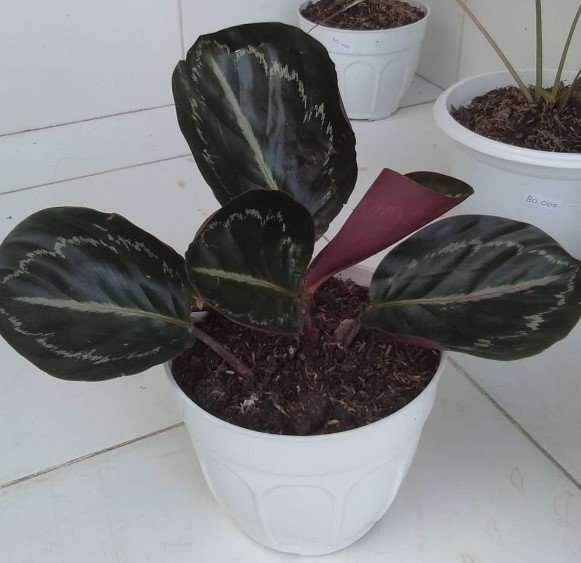
Calathea roseopicta Flower Rare Plant Live Rare Plant Exotic For Your Garden
**Calathea roseopicta**, commonly known as the Rose-Painted Calathea or simply the Rose-Painted Prayer Plant, is a beautiful and popular houseplant recognized for its striking foliage. Here’s a comprehensive guide to its care and characteristics:
### **Appearance**
- **Leaves**: *Calathea roseopicta* features oval-shaped leaves with a rich, dark green background adorned with a stunning pink or rose-colored pattern. The leaves have a glossy surface and a unique texture with a prominent central vein that often contrasts with the surrounding color.
- **Growth**: This plant grows in a rosette formation, reaching about 12-18 inches (30-45 cm) in height and spread. It maintains a compact and bushy appearance.
### **Care**
- **Light**: It thrives in bright, indirect light. Direct sunlight can scorch the leaves, so it’s best to place it in a location with filtered light or partial shade. Low light conditions may lead to reduced color vibrancy and slower growth.
- **Water**: Keep the soil consistently moist but not waterlogged. Water the plant when the top inch of soil feels dry. Use room-temperature water and avoid using hard or chlorinated water, as it can cause leaf problems. It’s often best to let tap water sit out for 24 hours before using it.
- **Humidity**: *Calathea roseopicta* loves high humidity. Aim for humidity levels around 60% or higher. Regular misting, using a humidity tray, or placing a humidifier nearby can help provide the necessary moisture.
- **Temperature**: The plant prefers temperatures between 65-80°F (18-27°C). It’s sensitive to cold and should be kept away from drafts and temperatures below 50°F (10°C).
### **Propagation**
- **Division**: The most common method of propagation is through division. When the plant becomes large enough, you can carefully separate the offsets or clumps at the base and replant them into new pots. Each division should have some roots for successful growth.
### **Maintenance**
- **Cleaning**: Wipe the leaves occasionally with a damp cloth to remove dust and keep them looking their best. This helps the plant to maintain its vibrant coloration and promotes healthy photosynthesis.
- **Pests**: *Calathea roseopicta* can sometimes be affected by pests like spider mites, aphids, or mealybugs. Regular inspection and prompt treatment with insecticidal soap or neem oil can help manage any pest issues.
### **Common Issues**
- **Brown Leaf Edges**: This can indicate low humidity or inconsistent watering. Ensure that the plant is in a humid environment and that the soil moisture level is consistent.
- **Leaf Curling**: Curling leaves may be a sign of environmental stress, such as changes in light, temperature, or watering practices. Check for any sudden changes and adjust the plant’s care as needed.
### **Toxicity**
- **Toxicity**: *Calathea roseopicta* is non-toxic to pets and humans, making it a safe choice for households with animals or small children.
**Calathea roseopicta** is celebrated for its vibrant and decorative foliage, adding a splash of color and elegance to any indoor space. Although it requires specific care, particularly in terms of humidity and watering, its striking appearance makes it a rewarding plant to grow.
In the photo is not factual item...
The size live plant item depends on stock...
Thank you
**Calathea roseopicta**, commonly known as the Rose-Painted Calathea or simply the Rose-Painted Prayer Plant, is a beautiful and popular houseplant recognized for its striking foliage. Here’s a comprehensive guide to its care and characteristics:
### **Appearance**
- **Leaves**: *Calathea roseopicta* features oval-shaped leaves with a rich, dark green background adorned with a stunning pink or rose-colored pattern. The leaves have a glossy surface and a unique texture with a prominent central vein that often contrasts with the surrounding color.
- **Growth**: This plant grows in a rosette formation, reaching about 12-18 inches (30-45 cm) in height and spread. It maintains a compact and bushy appearance.
### **Care**
- **Light**: It thrives in bright, indirect light. Direct sunlight can scorch the leaves, so it’s best to place it in a location with filtered light or partial shade. Low light conditions may lead to reduced color vibrancy and slower growth.
- **Water**: Keep the soil consistently moist but not waterlogged. Water the plant when the top inch of soil feels dry. Use room-temperature water and avoid using hard or chlorinated water, as it can cause leaf problems. It’s often best to let tap water sit out for 24 hours before using it.
- **Humidity**: *Calathea roseopicta* loves high humidity. Aim for humidity levels around 60% or higher. Regular misting, using a humidity tray, or placing a humidifier nearby can help provide the necessary moisture.
- **Temperature**: The plant prefers temperatures between 65-80°F (18-27°C). It’s sensitive to cold and should be kept away from drafts and temperatures below 50°F (10°C).
### **Propagation**
- **Division**: The most common method of propagation is through division. When the plant becomes large enough, you can carefully separate the offsets or clumps at the base and replant them into new pots. Each division should have some roots for successful growth.
### **Maintenance**
- **Cleaning**: Wipe the leaves occasionally with a damp cloth to remove dust and keep them looking their best. This helps the plant to maintain its vibrant coloration and promotes healthy photosynthesis.
- **Pests**: *Calathea roseopicta* can sometimes be affected by pests like spider mites, aphids, or mealybugs. Regular inspection and prompt treatment with insecticidal soap or neem oil can help manage any pest issues.
### **Common Issues**
- **Brown Leaf Edges**: This can indicate low humidity or inconsistent watering. Ensure that the plant is in a humid environment and that the soil moisture level is consistent.
- **Leaf Curling**: Curling leaves may be a sign of environmental stress, such as changes in light, temperature, or watering practices. Check for any sudden changes and adjust the plant’s care as needed.
### **Toxicity**
- **Toxicity**: *Calathea roseopicta* is non-toxic to pets and humans, making it a safe choice for households with animals or small children.
**Calathea roseopicta** is celebrated for its vibrant and decorative foliage, adding a splash of color and elegance to any indoor space. Although it requires specific care, particularly in terms of humidity and watering, its striking appearance makes it a rewarding plant to grow.
In the photo is not factual item...
The size live plant item depends on stock...
Thank you


 ID, DI Yogyakarta
