
$54.44
On Hold
Haworthia Attenuata Zebra Flower Rare Plant Live Garden Plant rare Home Plant FREESHIPPING
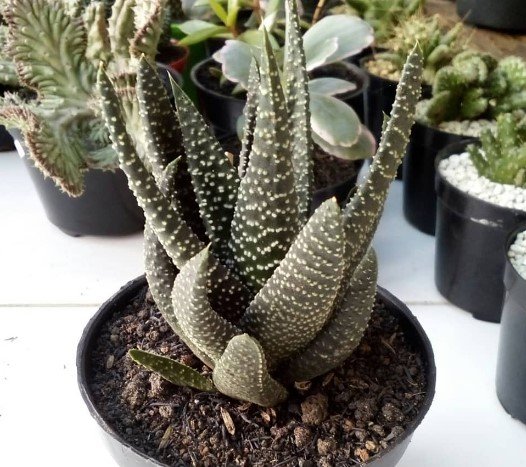
Haworthia Attenuata Zebra Flower Rare Plant Live Garden Plant rare Home Plant FREESHIPPING
**Haworthia attenuata**, commonly known as the **Zebra Plant** or **Zebra Haworthia**, is a popular and attractive succulent recognized for its distinctive striped appearance and ease of care. Here's a detailed overview of this charming plant:
### **Appearance**
- **Foliage**: The Zebra Plant is known for its rosettes of thick, fleshy leaves that are arranged in a rosette pattern. The leaves are green with white, horizontal stripes or tubercles that resemble the stripes of a zebra. The leaf edges are often covered with small, white, tooth-like projections, enhancing its unique appearance.
- **Size**: The plant typically forms compact rosettes that grow up to 4-6 inches (10-15 cm) in height and width. It remains relatively small and compact, making it suitable for small pots or containers.
- **Growth Habit**: It has a clumping growth habit, with new rosettes forming around the base of the plant. This characteristic allows it to form dense, attractive clusters over time.
### **Care Requirements**
- **Light**: Haworthia attenuata thrives in bright, indirect light. It can tolerate lower light conditions but may become more leggy and lose some of its distinctive striping. It prefers protection from direct, intense sunlight, which can cause leaf burn.
- **Water**: Water the plant thoroughly when the soil is completely dry. Allow the soil to dry out between waterings, and avoid overwatering, as this can lead to root rot. During the winter months, reduce watering as the plant’s growth slows down.
- **Soil**: Use a well-draining succulent or cactus mix. You can also mix standard potting soil with perlite or sand to improve drainage and prevent waterlogging.
- **Temperature**: Haworthia attenuata prefers temperatures between 60-80°F (15-27°C). It can tolerate cooler temperatures down to around 40°F (4°C) but should be protected from frost. In colder climates, it’s best to grow it indoors or provide protection during cold weather.
- **Humidity**: This plant prefers low to average humidity levels. It is well-suited to typical indoor environments and does not require additional humidity.
- **Fertilizer**: Feed with a diluted, balanced cactus or succulent fertilizer during the growing season (spring and summer) every 4-6 weeks. Reduce or stop fertilizing during the fall and winter months.
### **Propagation**
- **From Offsets**: Haworthia attenuata is easily propagated from offsets (pups) that grow around the base of the plant. Gently separate the offsets from the main plant and let them dry for a day or two before planting them in a well-draining soil mix.
- **From Leaf Cuttings**: While less common, it can also be propagated from leaf cuttings. Allow the leaf cuttings to callous over for a few days before planting them in a well-draining mix. Keep the soil lightly moist until new roots develop.
### **Other Considerations**
- **Pests and Problems**: Zebra Haworthia is relatively pest-resistant but can occasionally be affected by mealybugs, spider mites, or aphids. Regularly inspect the plant and treat any infestations with appropriate methods. Overwatering can lead to root rot and fungal infections, so ensure good drainage.
- **Toxicity**: Haworthia attenuata is generally non-toxic to pets and humans, making it a safe choice for homes with animals or children. However, it's always wise to prevent pets from chewing on plants.
- **Uses**: This succulent is popular for indoor plant displays, terrariums, and succulent arrangements. Its compact size and distinctive appearance make it a versatile addition to various plant settings.
Haworthia attenuata, with its unique striped leaves and manageable size, is a delightful and low-maintenance succulent that adds visual interest and charm to any plant collection. Its ease of care and adaptability make it an excellent choice for both beginner and experienced plant enthusiasts.
In the photo is not factual item...
The size live plant item depends on stock...
Thank you
**Haworthia attenuata**, commonly known as the **Zebra Plant** or **Zebra Haworthia**, is a popular and attractive succulent recognized for its distinctive striped appearance and ease of care. Here's a detailed overview of this charming plant:
### **Appearance**
- **Foliage**: The Zebra Plant is known for its rosettes of thick, fleshy leaves that are arranged in a rosette pattern. The leaves are green with white, horizontal stripes or tubercles that resemble the stripes of a zebra. The leaf edges are often covered with small, white, tooth-like projections, enhancing its unique appearance.
- **Size**: The plant typically forms compact rosettes that grow up to 4-6 inches (10-15 cm) in height and width. It remains relatively small and compact, making it suitable for small pots or containers.
- **Growth Habit**: It has a clumping growth habit, with new rosettes forming around the base of the plant. This characteristic allows it to form dense, attractive clusters over time.
### **Care Requirements**
- **Light**: Haworthia attenuata thrives in bright, indirect light. It can tolerate lower light conditions but may become more leggy and lose some of its distinctive striping. It prefers protection from direct, intense sunlight, which can cause leaf burn.
- **Water**: Water the plant thoroughly when the soil is completely dry. Allow the soil to dry out between waterings, and avoid overwatering, as this can lead to root rot. During the winter months, reduce watering as the plant’s growth slows down.
- **Soil**: Use a well-draining succulent or cactus mix. You can also mix standard potting soil with perlite or sand to improve drainage and prevent waterlogging.
- **Temperature**: Haworthia attenuata prefers temperatures between 60-80°F (15-27°C). It can tolerate cooler temperatures down to around 40°F (4°C) but should be protected from frost. In colder climates, it’s best to grow it indoors or provide protection during cold weather.
- **Humidity**: This plant prefers low to average humidity levels. It is well-suited to typical indoor environments and does not require additional humidity.
- **Fertilizer**: Feed with a diluted, balanced cactus or succulent fertilizer during the growing season (spring and summer) every 4-6 weeks. Reduce or stop fertilizing during the fall and winter months.
### **Propagation**
- **From Offsets**: Haworthia attenuata is easily propagated from offsets (pups) that grow around the base of the plant. Gently separate the offsets from the main plant and let them dry for a day or two before planting them in a well-draining soil mix.
- **From Leaf Cuttings**: While less common, it can also be propagated from leaf cuttings. Allow the leaf cuttings to callous over for a few days before planting them in a well-draining mix. Keep the soil lightly moist until new roots develop.
### **Other Considerations**
- **Pests and Problems**: Zebra Haworthia is relatively pest-resistant but can occasionally be affected by mealybugs, spider mites, or aphids. Regularly inspect the plant and treat any infestations with appropriate methods. Overwatering can lead to root rot and fungal infections, so ensure good drainage.
- **Toxicity**: Haworthia attenuata is generally non-toxic to pets and humans, making it a safe choice for homes with animals or children. However, it's always wise to prevent pets from chewing on plants.
- **Uses**: This succulent is popular for indoor plant displays, terrariums, and succulent arrangements. Its compact size and distinctive appearance make it a versatile addition to various plant settings.
Haworthia attenuata, with its unique striped leaves and manageable size, is a delightful and low-maintenance succulent that adds visual interest and charm to any plant collection. Its ease of care and adaptability make it an excellent choice for both beginner and experienced plant enthusiasts.
In the photo is not factual item...
The size live plant item depends on stock...
Thank you


 ID, Jawa Timur
