
$57.31
On Hold
Purple Hearts Tradescantia Pallida Flower Rare Plant Live Garden Plant rare Home Plant FREESHIPPING
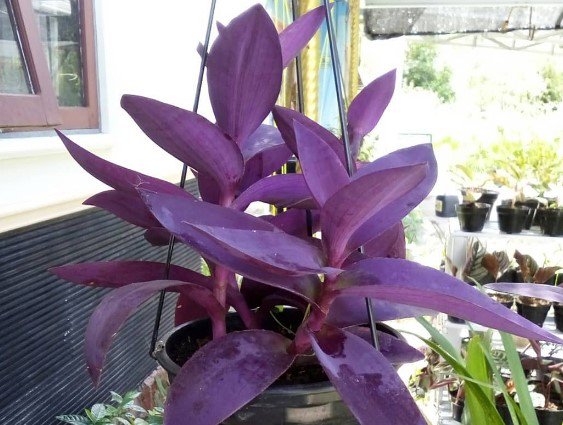
Purple Hearts Tradescantia Pallida Flower Rare Plant Live Garden Plant rare Home Plant FREESHIPPING
**Tradescantia pallida**, commonly known as **Purple Heart** or **Purple Queen**, is a striking and popular plant known for its vibrant, deep purple foliage and its ease of care. Here’s a detailed look at this eye-catching plant:
### **Appearance**
- **Foliage**: The standout feature of Purple Heart is its vivid purple leaves. The leaves are lance-shaped, and the plant also produces small, three-petaled pink or lavender flowers, although the foliage is the primary attraction.
- **Growth Habit**: This plant typically has a trailing or spreading growth habit. It can grow up to 12-18 inches (30-45 cm) in height and spread out 24-36 inches (60-90 cm) or more, making it ideal for hanging baskets, containers, or ground cover.
- **Stems**: The stems are usually green when young and turn purple as they mature. They are succulent-like and can become quite long, making the plant an excellent choice for cascading displays.
### **Care Requirements**
- **Light**: Purple Heart thrives in bright, indirect light. It can tolerate some direct sunlight, particularly in the morning, but too much intense afternoon sun can cause the foliage to scorch. It can also adapt to lower light conditions but may lose some of its vibrant coloration.
- **Water**: Water the plant thoroughly when the top inch of soil feels dry. It prefers consistently moist soil but can tolerate short periods of drought. Overwatering can lead to root rot, so ensure the pot has good drainage.
- **Soil**: Use a well-draining potting mix. A standard potting mix combined with perlite or sand for added drainage works well.
- **Temperature**: Tradescantia pallida prefers temperatures between 60-75°F (15-24°C). It is sensitive to frost and should be protected from temperatures below 50°F (10°C).
- **Humidity**: It generally adapts well to average indoor humidity levels. However, it appreciates higher humidity and may benefit from occasional misting or placement on a humidity tray, especially in dry indoor environments.
- **Fertilizer**: Feed with a balanced, water-soluble fertilizer every 4-6 weeks during the growing season (spring and summer). Reduce feeding in the fall and winter when the plant’s growth slows.
### **Propagation**
- **From Cuttings**: The most common method of propagation is by stem cuttings. Take 3-4 inch (7-10 cm) cuttings from the tips of the stems, remove the lower leaves, and place the cuttings in water or a moist potting mix. Roots typically form within a few weeks.
- **From Seeds**: While less common, Purple Heart can also be propagated from seeds. Sow seeds in a well-draining mix and keep them warm and humid until germination.
### **Other Considerations**
- **Pruning**: Regular pruning helps maintain a bushy appearance and prevents the plant from becoming too leggy. Trim back any long or straggly stems to encourage new growth and a fuller shape.
- **Pests**: Tradescantia pallida can be susceptible to common houseplant pests such as spider mites, aphids, and mealybugs. Keep an eye out for any signs of infestation and treat with appropriate methods.
- **Toxicity**: The plant is generally considered non-toxic to humans and pets, but it’s always a good idea to keep any plant out of reach of pets that might chew on them.
Purple Heart is a visually stunning plant that adds a splash of color and elegance to any space. Its ease of care and ability to adapt to various light conditions make it a favorite among indoor gardeners.
In the photo is not factual item...
The size live plant item depends on stock...
Thank you
**Tradescantia pallida**, commonly known as **Purple Heart** or **Purple Queen**, is a striking and popular plant known for its vibrant, deep purple foliage and its ease of care. Here’s a detailed look at this eye-catching plant:
### **Appearance**
- **Foliage**: The standout feature of Purple Heart is its vivid purple leaves. The leaves are lance-shaped, and the plant also produces small, three-petaled pink or lavender flowers, although the foliage is the primary attraction.
- **Growth Habit**: This plant typically has a trailing or spreading growth habit. It can grow up to 12-18 inches (30-45 cm) in height and spread out 24-36 inches (60-90 cm) or more, making it ideal for hanging baskets, containers, or ground cover.
- **Stems**: The stems are usually green when young and turn purple as they mature. They are succulent-like and can become quite long, making the plant an excellent choice for cascading displays.
### **Care Requirements**
- **Light**: Purple Heart thrives in bright, indirect light. It can tolerate some direct sunlight, particularly in the morning, but too much intense afternoon sun can cause the foliage to scorch. It can also adapt to lower light conditions but may lose some of its vibrant coloration.
- **Water**: Water the plant thoroughly when the top inch of soil feels dry. It prefers consistently moist soil but can tolerate short periods of drought. Overwatering can lead to root rot, so ensure the pot has good drainage.
- **Soil**: Use a well-draining potting mix. A standard potting mix combined with perlite or sand for added drainage works well.
- **Temperature**: Tradescantia pallida prefers temperatures between 60-75°F (15-24°C). It is sensitive to frost and should be protected from temperatures below 50°F (10°C).
- **Humidity**: It generally adapts well to average indoor humidity levels. However, it appreciates higher humidity and may benefit from occasional misting or placement on a humidity tray, especially in dry indoor environments.
- **Fertilizer**: Feed with a balanced, water-soluble fertilizer every 4-6 weeks during the growing season (spring and summer). Reduce feeding in the fall and winter when the plant’s growth slows.
### **Propagation**
- **From Cuttings**: The most common method of propagation is by stem cuttings. Take 3-4 inch (7-10 cm) cuttings from the tips of the stems, remove the lower leaves, and place the cuttings in water or a moist potting mix. Roots typically form within a few weeks.
- **From Seeds**: While less common, Purple Heart can also be propagated from seeds. Sow seeds in a well-draining mix and keep them warm and humid until germination.
### **Other Considerations**
- **Pruning**: Regular pruning helps maintain a bushy appearance and prevents the plant from becoming too leggy. Trim back any long or straggly stems to encourage new growth and a fuller shape.
- **Pests**: Tradescantia pallida can be susceptible to common houseplant pests such as spider mites, aphids, and mealybugs. Keep an eye out for any signs of infestation and treat with appropriate methods.
- **Toxicity**: The plant is generally considered non-toxic to humans and pets, but it’s always a good idea to keep any plant out of reach of pets that might chew on them.
Purple Heart is a visually stunning plant that adds a splash of color and elegance to any space. Its ease of care and ability to adapt to various light conditions make it a favorite among indoor gardeners.
In the photo is not factual item...
The size live plant item depends on stock...
Thank you


 ID, Jawa Timur
