
$131.82
On Hold
Zebra Plant Haworthia Flower Rare Plant Live Garden Plant rare Home Plant FREESHIPPING
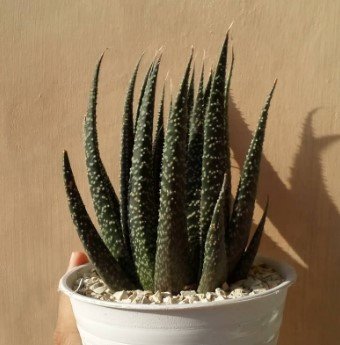
Zebra Plant Haworthia Flower Rare Plant Live Garden Plant rare Home Plant FREESHIPPING
*Haworthia zebra* (also known as **Zebra Plant**) is a small, succulent plant known for its distinctive white, horizontal stripes on its dark green leaves, which resemble the stripes of a zebra. It’s a popular choice for succulent collections due to its unique appearance and relatively low maintenance requirements. Here’s how to care for your *Haworthia zebra*:
### **Care Tips for Haworthia zebra:**
1. **Light:**
- Prefers bright, indirect light. It can tolerate some direct sunlight, especially morning sun, but too much direct sunlight may cause the leaves to become scorched or faded.
- In lower light conditions, the plant may grow more slowly and lose some of its characteristic stripe patterns.
2. **Water:**
- Allow the soil to dry out completely between waterings. Water thoroughly when needed, then let the soil dry completely before watering again.
- Overwatering is a common issue and can lead to root rot, so ensure the plant is not sitting in excess moisture.
3. **Soil:**
- Use a well-draining potting mix. A cactus or succulent mix is ideal, or you can make your own blend with potting soil, perlite, and sand.
- Ensure the pot has drainage holes to prevent water from accumulating at the bottom.
4. **Temperature:**
- Thrives in temperatures between 60-80°F (15-27°C). Protect from temperatures below 40°F (4°C), as it is sensitive to frost and cold weather.
- Avoid placing the plant near drafts or sudden temperature fluctuations.
5. **Humidity:**
- Prefers low humidity, which is typical for indoor environments. It does not require additional humidity.
- Ensure good air circulation around the plant to help prevent fungal issues.
6. **Fertilization:**
- Feed sparingly with a diluted, balanced fertilizer during the growing season (spring and summer). Once every 4-6 weeks is generally sufficient.
- Avoid fertilizing in fall and winter when the plant’s growth slows.
7. **Pruning:**
- Minimal pruning is needed. Remove any dead or damaged leaves at the base to maintain the plant’s appearance.
- Regularly check for offsets or pups that can be separated and propagated if desired.
8. **Propagation:**
- Propagate through offsets (pups) or leaf cuttings. Offsets can be gently separated from the main plant and potted up individually.
- Leaf cuttings can also be used, though they may take longer to develop roots compared to offsets.
9. **Pests and Problems:**
- Watch for pests such as mealybugs, spider mites, and aphids. Treat infestations with insecticidal soap or neem oil.
- Monitor for signs of overwatering, such as yellowing leaves or mushy stems. Adjust watering practices and ensure good drainage.
10. **Container:**
- Use a pot with drainage holes to prevent excess water from collecting at the bottom and causing root rot.
*Haworthia zebra* is an attractive and hardy succulent that can thrive with minimal care. Its unique striped leaves add a distinctive touch to any plant collection, and with the right conditions, it will continue to be a delightful and low-maintenance addition to your indoor garden.
In the photo is not factual item...
The size live plant item depends on stock...
Thank you
*Haworthia zebra* (also known as **Zebra Plant**) is a small, succulent plant known for its distinctive white, horizontal stripes on its dark green leaves, which resemble the stripes of a zebra. It’s a popular choice for succulent collections due to its unique appearance and relatively low maintenance requirements. Here’s how to care for your *Haworthia zebra*:
### **Care Tips for Haworthia zebra:**
1. **Light:**
- Prefers bright, indirect light. It can tolerate some direct sunlight, especially morning sun, but too much direct sunlight may cause the leaves to become scorched or faded.
- In lower light conditions, the plant may grow more slowly and lose some of its characteristic stripe patterns.
2. **Water:**
- Allow the soil to dry out completely between waterings. Water thoroughly when needed, then let the soil dry completely before watering again.
- Overwatering is a common issue and can lead to root rot, so ensure the plant is not sitting in excess moisture.
3. **Soil:**
- Use a well-draining potting mix. A cactus or succulent mix is ideal, or you can make your own blend with potting soil, perlite, and sand.
- Ensure the pot has drainage holes to prevent water from accumulating at the bottom.
4. **Temperature:**
- Thrives in temperatures between 60-80°F (15-27°C). Protect from temperatures below 40°F (4°C), as it is sensitive to frost and cold weather.
- Avoid placing the plant near drafts or sudden temperature fluctuations.
5. **Humidity:**
- Prefers low humidity, which is typical for indoor environments. It does not require additional humidity.
- Ensure good air circulation around the plant to help prevent fungal issues.
6. **Fertilization:**
- Feed sparingly with a diluted, balanced fertilizer during the growing season (spring and summer). Once every 4-6 weeks is generally sufficient.
- Avoid fertilizing in fall and winter when the plant’s growth slows.
7. **Pruning:**
- Minimal pruning is needed. Remove any dead or damaged leaves at the base to maintain the plant’s appearance.
- Regularly check for offsets or pups that can be separated and propagated if desired.
8. **Propagation:**
- Propagate through offsets (pups) or leaf cuttings. Offsets can be gently separated from the main plant and potted up individually.
- Leaf cuttings can also be used, though they may take longer to develop roots compared to offsets.
9. **Pests and Problems:**
- Watch for pests such as mealybugs, spider mites, and aphids. Treat infestations with insecticidal soap or neem oil.
- Monitor for signs of overwatering, such as yellowing leaves or mushy stems. Adjust watering practices and ensure good drainage.
10. **Container:**
- Use a pot with drainage holes to prevent excess water from collecting at the bottom and causing root rot.
*Haworthia zebra* is an attractive and hardy succulent that can thrive with minimal care. Its unique striped leaves add a distinctive touch to any plant collection, and with the right conditions, it will continue to be a delightful and low-maintenance addition to your indoor garden.
In the photo is not factual item...
The size live plant item depends on stock...
Thank you


 ID, Jawa Timur
