
$91.64
Add to Cart
Asparagus densiflorous Flower Rare Plant Live Rare Plant Exotic For Your Garden
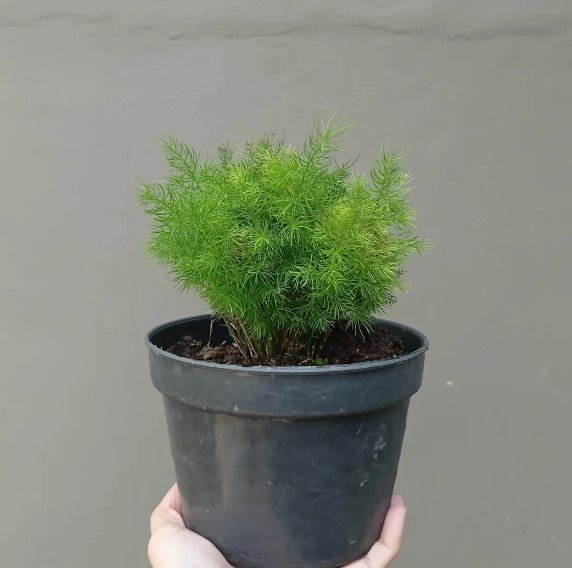
Asparagus densiflorous Flower Rare Plant Live Rare Plant Exotic For Your Garden
**Asparagus densiflorus**, commonly known as Asparagus Fern or Foxtail Fern, is a species of flowering plant in the family Asparagaceae. Despite its name, it's not a true fern but rather a member of the asparagus family. Here are some care tips for Asparagus densiflorus:
### Care Tips for Asparagus densiflorus (Asparagus Fern)
1. **Light**: Prefers bright, indirect light. It can tolerate some morning sun but should be protected from intense afternoon sunlight, which can scorch the delicate foliage.
2. **Water**: Keep the soil consistently moist during the growing season (spring and summer). Water thoroughly when the top inch of soil feels dry. Reduce watering in winter, allowing the soil to dry out slightly between waterings.
3. **Humidity**: Enjoys higher humidity but can adapt to average indoor humidity levels. Increase humidity by misting the foliage regularly or placing the plant on a humidity tray.
4. **Temperature**: Prefers temperatures between 65-75°F (18-24°C). Avoid placing the plant near cold drafts or heating vents, as sudden temperature fluctuations can stress the plant.
5. **Soil**: Use a well-draining potting mix. A mix formulated for houseplants or succulents works well. Ensure the pot has drainage holes to prevent waterlogging.
6. **Fertilizer**: Feed with a balanced, water-soluble fertilizer every 4-6 weeks during the growing season (spring and summer). Reduce feeding in fall and winter when growth slows down.
7. **Pruning**: Trim back yellow or brown fronds regularly to maintain the plant’s appearance and overall health. Remove any dead or damaged foliage to encourage new growth.
8. **Repotting**: Repot every 1-2 years or when the plant becomes root-bound. Choose a pot that is slightly larger than the current one and refresh the potting mix. Repotting is best done in spring or early summer.
### Troubleshooting
- **Yellowing Leaves**: Can indicate overwatering or underwatering. Adjust your watering schedule accordingly and ensure proper drainage.
- **Brown Tips on Leaves**: Typically caused by dry air or inconsistent watering. Increase humidity around the plant and maintain even moisture levels in the soil.
- **Pests**: Keep an eye out for pests such as spider mites and scale insects. Treat infestations promptly with insecticidal soap or neem oil.
### Special Features
- **Foliage**: Asparagus densiflorus has delicate, feathery foliage that resembles fern fronds. The foliage can be green or variegated, depending on the cultivar.
- **Growth Habit**: This plant has a trailing or bushy growth habit, making it suitable for hanging baskets or as a ground cover in gardens in warmer climates.
Asparagus densiflorus is a versatile and relatively low-maintenance plant that can thrive indoors with proper care. With attention to light, water, humidity, and soil conditions, it will reward you with lush, green foliage and a graceful appearance.
In the photo is not factual item...
The size live plant item depends on stock...
Thank you
**Asparagus densiflorus**, commonly known as Asparagus Fern or Foxtail Fern, is a species of flowering plant in the family Asparagaceae. Despite its name, it's not a true fern but rather a member of the asparagus family. Here are some care tips for Asparagus densiflorus:
### Care Tips for Asparagus densiflorus (Asparagus Fern)
1. **Light**: Prefers bright, indirect light. It can tolerate some morning sun but should be protected from intense afternoon sunlight, which can scorch the delicate foliage.
2. **Water**: Keep the soil consistently moist during the growing season (spring and summer). Water thoroughly when the top inch of soil feels dry. Reduce watering in winter, allowing the soil to dry out slightly between waterings.
3. **Humidity**: Enjoys higher humidity but can adapt to average indoor humidity levels. Increase humidity by misting the foliage regularly or placing the plant on a humidity tray.
4. **Temperature**: Prefers temperatures between 65-75°F (18-24°C). Avoid placing the plant near cold drafts or heating vents, as sudden temperature fluctuations can stress the plant.
5. **Soil**: Use a well-draining potting mix. A mix formulated for houseplants or succulents works well. Ensure the pot has drainage holes to prevent waterlogging.
6. **Fertilizer**: Feed with a balanced, water-soluble fertilizer every 4-6 weeks during the growing season (spring and summer). Reduce feeding in fall and winter when growth slows down.
7. **Pruning**: Trim back yellow or brown fronds regularly to maintain the plant’s appearance and overall health. Remove any dead or damaged foliage to encourage new growth.
8. **Repotting**: Repot every 1-2 years or when the plant becomes root-bound. Choose a pot that is slightly larger than the current one and refresh the potting mix. Repotting is best done in spring or early summer.
### Troubleshooting
- **Yellowing Leaves**: Can indicate overwatering or underwatering. Adjust your watering schedule accordingly and ensure proper drainage.
- **Brown Tips on Leaves**: Typically caused by dry air or inconsistent watering. Increase humidity around the plant and maintain even moisture levels in the soil.
- **Pests**: Keep an eye out for pests such as spider mites and scale insects. Treat infestations promptly with insecticidal soap or neem oil.
### Special Features
- **Foliage**: Asparagus densiflorus has delicate, feathery foliage that resembles fern fronds. The foliage can be green or variegated, depending on the cultivar.
- **Growth Habit**: This plant has a trailing or bushy growth habit, making it suitable for hanging baskets or as a ground cover in gardens in warmer climates.
Asparagus densiflorus is a versatile and relatively low-maintenance plant that can thrive indoors with proper care. With attention to light, water, humidity, and soil conditions, it will reward you with lush, green foliage and a graceful appearance.
In the photo is not factual item...
The size live plant item depends on stock...
Thank you


 ID, DI Yogyakarta
