
$69.64
Add to Cart
Golden Pothos Flower Rare Plant Live Rare Plant Exotic For Your Garden
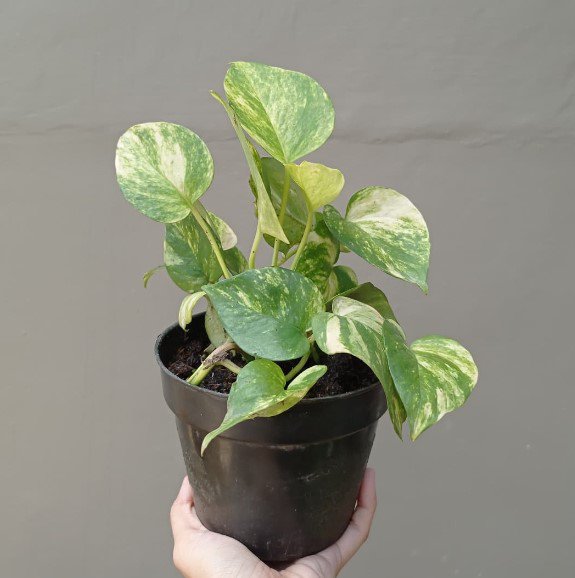
Golden Pothos Flower Rare Plant Live Rare Plant Exotic For Your Garden
**Golden Pothos**, also known as **Epipremnum aureum 'Golden'** or simply **Pothos**, is one of the most popular and versatile houseplants. It's well-loved for its attractive, heart-shaped leaves with golden-yellow variegation and its ease of care. Here’s how to take care of your Golden Pothos:
### Care Tips for Golden Pothos
1. **Light**: Thrives in bright, indirect light. While it can tolerate low light, the vibrant golden coloration of the leaves is most pronounced in brighter conditions. Avoid direct sunlight, which can scorch the leaves.
2. **Water**: Allow the top 1-2 inches of soil to dry out between waterings. Water thoroughly when you do water, making sure that excess water can drain away. Overwatering can lead to root rot, so ensure the plant isn’t sitting in soggy soil. Reduce watering frequency in winter when growth slows.
3. **Humidity**: Adaptable to average indoor humidity levels but prefers higher humidity. To increase humidity, you can mist the plant, use a humidity tray, or place a humidifier nearby.
4. **Temperature**: Prefers temperatures between 65-85°F (18-29°C). Keep away from cold drafts and avoid temperatures below 50°F (10°C), which can stress the plant.
5. **Soil**: Use a well-draining potting mix. A standard houseplant mix or a mix of peat moss, perlite, and orchid bark works well. Ensure the pot has drainage holes to prevent waterlogging.
6. **Fertilizer**: Feed with a balanced, water-soluble fertilizer every 4-6 weeks during the growing season (spring and summer). Reduce feeding in fall and winter when the plant’s growth slows.
7. **Pruning**: Regular pruning helps maintain the plant’s shape and remove any yellow or dead leaves. Prune back leggy growth to encourage bushier growth and to control the plant's size.
8. **Repotting**: Repot every 1-2 years or when the plant becomes root-bound. Choose a pot that is slightly larger than the current one and ensure it has good drainage. Repotting is typically done in spring or early summer.
### Troubleshooting
- **Yellowing Leaves**: Often a sign of overwatering, poor drainage, or insufficient light. Adjust your watering practices, improve drainage, and provide adequate light.
- **Brown Leaf Tips**: Can be caused by low humidity or inconsistent watering. Increase humidity around the plant and maintain consistent moisture levels.
- **Leaf Drop**: May result from sudden temperature changes, drafts, or overwatering. Maintain stable conditions and avoid extremes in temperature and moisture.
- **Pests**: Watch for common houseplant pests like spider mites, mealybugs, and aphids. Treat infestations promptly with insecticidal soap or neem oil, and regularly inspect the plant for pests.
### Special Features
- **Foliage**: Golden Pothos is known for its heart-shaped leaves with attractive golden-yellow variegation. The color and pattern of the variegation can vary, giving each plant a unique appearance.
- **Growth Habit**: This plant is a fast grower and can be trained to trail or climb. It’s ideal for hanging baskets, shelves, or as a climbing plant with the help of a moss pole or trellis.
- **Air Purifying**: Like other Pothos varieties, Golden Pothos is known for its air-purifying qualities, helping to filter out toxins from the air.
Golden Pothos is a versatile and resilient plant that can adapt to various indoor conditions. With proper care regarding light, water, humidity, and soil, it will thrive and continue to enhance your living space with its lush foliage and easy growth.
In the photo is not factual item...
The size live plant item depends on stock...
Thank you
**Golden Pothos**, also known as **Epipremnum aureum 'Golden'** or simply **Pothos**, is one of the most popular and versatile houseplants. It's well-loved for its attractive, heart-shaped leaves with golden-yellow variegation and its ease of care. Here’s how to take care of your Golden Pothos:
### Care Tips for Golden Pothos
1. **Light**: Thrives in bright, indirect light. While it can tolerate low light, the vibrant golden coloration of the leaves is most pronounced in brighter conditions. Avoid direct sunlight, which can scorch the leaves.
2. **Water**: Allow the top 1-2 inches of soil to dry out between waterings. Water thoroughly when you do water, making sure that excess water can drain away. Overwatering can lead to root rot, so ensure the plant isn’t sitting in soggy soil. Reduce watering frequency in winter when growth slows.
3. **Humidity**: Adaptable to average indoor humidity levels but prefers higher humidity. To increase humidity, you can mist the plant, use a humidity tray, or place a humidifier nearby.
4. **Temperature**: Prefers temperatures between 65-85°F (18-29°C). Keep away from cold drafts and avoid temperatures below 50°F (10°C), which can stress the plant.
5. **Soil**: Use a well-draining potting mix. A standard houseplant mix or a mix of peat moss, perlite, and orchid bark works well. Ensure the pot has drainage holes to prevent waterlogging.
6. **Fertilizer**: Feed with a balanced, water-soluble fertilizer every 4-6 weeks during the growing season (spring and summer). Reduce feeding in fall and winter when the plant’s growth slows.
7. **Pruning**: Regular pruning helps maintain the plant’s shape and remove any yellow or dead leaves. Prune back leggy growth to encourage bushier growth and to control the plant's size.
8. **Repotting**: Repot every 1-2 years or when the plant becomes root-bound. Choose a pot that is slightly larger than the current one and ensure it has good drainage. Repotting is typically done in spring or early summer.
### Troubleshooting
- **Yellowing Leaves**: Often a sign of overwatering, poor drainage, or insufficient light. Adjust your watering practices, improve drainage, and provide adequate light.
- **Brown Leaf Tips**: Can be caused by low humidity or inconsistent watering. Increase humidity around the plant and maintain consistent moisture levels.
- **Leaf Drop**: May result from sudden temperature changes, drafts, or overwatering. Maintain stable conditions and avoid extremes in temperature and moisture.
- **Pests**: Watch for common houseplant pests like spider mites, mealybugs, and aphids. Treat infestations promptly with insecticidal soap or neem oil, and regularly inspect the plant for pests.
### Special Features
- **Foliage**: Golden Pothos is known for its heart-shaped leaves with attractive golden-yellow variegation. The color and pattern of the variegation can vary, giving each plant a unique appearance.
- **Growth Habit**: This plant is a fast grower and can be trained to trail or climb. It’s ideal for hanging baskets, shelves, or as a climbing plant with the help of a moss pole or trellis.
- **Air Purifying**: Like other Pothos varieties, Golden Pothos is known for its air-purifying qualities, helping to filter out toxins from the air.
Golden Pothos is a versatile and resilient plant that can adapt to various indoor conditions. With proper care regarding light, water, humidity, and soil, it will thrive and continue to enhance your living space with its lush foliage and easy growth.
In the photo is not factual item...
The size live plant item depends on stock...
Thank you


 ID, DI Yogyakarta
