
$117.43
Add to Cart
Syngonium Neon Pink Flower Rare Plant Live Rare Plant Exotic For Your Garden
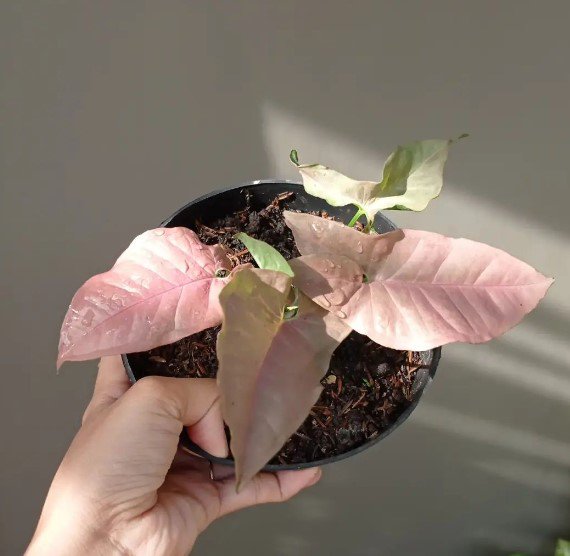
Syngonium Neon Pink Flower Rare Plant Live Rare Plant Exotic For Your Garden
**Syngonium Neon**, also known as **Neon Syngonium** or **Syngonium podophyllum 'Neon'**, is a vibrant and striking houseplant known for its bright, eye-catching foliage. Here’s how to care for this attractive plant:
### Care Tips for Syngonium Neon
1. **Light**: Thrives in bright, indirect light. It can tolerate lower light conditions, but the neon coloration of the leaves is most vibrant in bright light. Avoid direct sunlight as it can scorch the leaves.
2. **Water**: Keep the soil consistently moist but not soggy. Water when the top inch of soil feels dry. Be careful not to overwater, as excessive moisture can lead to root rot. Ensure the pot has good drainage to prevent water from sitting at the bottom.
3. **Humidity**: Prefers higher humidity but can adapt to average indoor levels. To increase humidity, consider misting the plant, using a humidity tray, or placing a humidifier nearby. Higher humidity levels can enhance the plant's growth and vibrancy.
4. **Temperature**: Optimal temperatures are between 60-80°F (15-27°C). Protect from cold drafts and sudden temperature changes. Avoid temperatures below 50°F (10°C), as this can stress the plant and lead to leaf drop.
5. **Soil**: Use a well-draining potting mix. A general houseplant mix or a mix of peat moss, perlite, and orchid bark works well. Good drainage is important to prevent root rot.
6. **Fertilizer**: Feed with a balanced, liquid houseplant fertilizer every 4-6 weeks during the growing season (spring and summer). Reduce or stop fertilizing in the fall and winter when the plant’s growth slows.
7. **Pruning**: Regular pruning helps maintain the plant's shape and removes any yellow or dead leaves. Pruning also encourages bushier growth and prevents the plant from becoming too leggy.
8. **Repotting**: Repot every 1-2 years or when the plant becomes root-bound. Choose a pot that is slightly larger than the current one and ensure it has good drainage.
### Troubleshooting
- **Yellowing Leaves**: Often a sign of overwatering or poor drainage. Adjust watering practices and ensure the potting mix allows for proper drainage.
- **Brown Leaf Tips**: Usually caused by low humidity or inconsistent watering. Increase humidity around the plant and maintain consistent moisture levels.
- **Leaf Drop**: Can occur due to sudden temperature changes, drafts, or poor care. Ensure a stable environment with appropriate light, temperature, and humidity.
- **Pests**: Watch for common houseplant pests such as spider mites, mealybugs, and aphids. Treat infestations promptly with insecticidal soap or neem oil and regularly inspect the plant for pests.
### Special Features
- **Foliage**: Syngonium Neon is known for its striking, neon-bright foliage, which can range from vibrant pink to a glowing, light green. The leaves often have a heart shape, adding to the plant’s aesthetic appeal.
- **Growth Habit**: This plant has a trailing or climbing growth habit. It is suitable for hanging baskets, as a trailing plant, or with a support structure to climb.
Syngonium Neon is a beautiful and relatively low-maintenance plant that can add a burst of color to your indoor space. With proper care regarding light, water, humidity, and soil, it will thrive and continue to display its vibrant foliage throughout the year.
In the photo is not factual item...
The size live plant item depends on stock...
Thank you
**Syngonium Neon**, also known as **Neon Syngonium** or **Syngonium podophyllum 'Neon'**, is a vibrant and striking houseplant known for its bright, eye-catching foliage. Here’s how to care for this attractive plant:
### Care Tips for Syngonium Neon
1. **Light**: Thrives in bright, indirect light. It can tolerate lower light conditions, but the neon coloration of the leaves is most vibrant in bright light. Avoid direct sunlight as it can scorch the leaves.
2. **Water**: Keep the soil consistently moist but not soggy. Water when the top inch of soil feels dry. Be careful not to overwater, as excessive moisture can lead to root rot. Ensure the pot has good drainage to prevent water from sitting at the bottom.
3. **Humidity**: Prefers higher humidity but can adapt to average indoor levels. To increase humidity, consider misting the plant, using a humidity tray, or placing a humidifier nearby. Higher humidity levels can enhance the plant's growth and vibrancy.
4. **Temperature**: Optimal temperatures are between 60-80°F (15-27°C). Protect from cold drafts and sudden temperature changes. Avoid temperatures below 50°F (10°C), as this can stress the plant and lead to leaf drop.
5. **Soil**: Use a well-draining potting mix. A general houseplant mix or a mix of peat moss, perlite, and orchid bark works well. Good drainage is important to prevent root rot.
6. **Fertilizer**: Feed with a balanced, liquid houseplant fertilizer every 4-6 weeks during the growing season (spring and summer). Reduce or stop fertilizing in the fall and winter when the plant’s growth slows.
7. **Pruning**: Regular pruning helps maintain the plant's shape and removes any yellow or dead leaves. Pruning also encourages bushier growth and prevents the plant from becoming too leggy.
8. **Repotting**: Repot every 1-2 years or when the plant becomes root-bound. Choose a pot that is slightly larger than the current one and ensure it has good drainage.
### Troubleshooting
- **Yellowing Leaves**: Often a sign of overwatering or poor drainage. Adjust watering practices and ensure the potting mix allows for proper drainage.
- **Brown Leaf Tips**: Usually caused by low humidity or inconsistent watering. Increase humidity around the plant and maintain consistent moisture levels.
- **Leaf Drop**: Can occur due to sudden temperature changes, drafts, or poor care. Ensure a stable environment with appropriate light, temperature, and humidity.
- **Pests**: Watch for common houseplant pests such as spider mites, mealybugs, and aphids. Treat infestations promptly with insecticidal soap or neem oil and regularly inspect the plant for pests.
### Special Features
- **Foliage**: Syngonium Neon is known for its striking, neon-bright foliage, which can range from vibrant pink to a glowing, light green. The leaves often have a heart shape, adding to the plant’s aesthetic appeal.
- **Growth Habit**: This plant has a trailing or climbing growth habit. It is suitable for hanging baskets, as a trailing plant, or with a support structure to climb.
Syngonium Neon is a beautiful and relatively low-maintenance plant that can add a burst of color to your indoor space. With proper care regarding light, water, humidity, and soil, it will thrive and continue to display its vibrant foliage throughout the year.
In the photo is not factual item...
The size live plant item depends on stock...
Thank you


 ID, DI Yogyakarta
