
$48.65
Add to Cart
Alocasia Baginda Dragon scale Flower Rare Plant Live Rare Plant Exotic For Your Garden
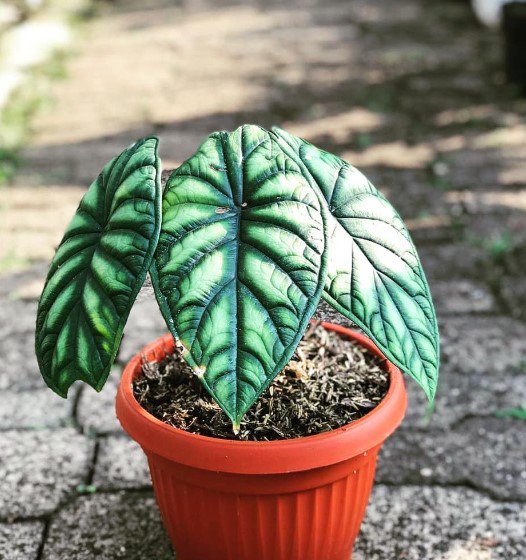
Alocasia Baginda Dragon scale Flower Rare Plant Live Rare Plant Exotic For Your Garden
**Alocasia baginda 'Dragon Scale'** is a captivating tropical plant renowned for its striking foliage. Here’s a detailed guide on how to care for this beautiful Alocasia variety:
### Care Tips for Alocasia baginda 'Dragon Scale'
1. **Light**: Prefers bright, indirect light. Avoid direct sunlight, especially intense afternoon sun, as it can scorch the leaves. Alocasia 'Dragon Scale' can tolerate slightly lower light conditions, but growth may slow down.
2. **Water**: Keep the soil consistently moist during the growing season (spring and summer), but ensure it has good drainage to prevent waterlogging. Water thoroughly when the top inch of soil feels dry. Reduce watering in the winter, allowing the top couple of inches of soil to dry out between waterings.
3. **Humidity**: Requires high humidity levels to thrive, ideally between 60-80%. Increase humidity by misting the leaves regularly, using a humidity tray, or placing the plant near a humidifier. This is especially important in drier indoor environments.
4. **Temperature**: Prefers temperatures between 65-75°F (18-24°C). Avoid sudden temperature drops and cold drafts, as they can cause stress and leaf damage.
5. **Soil**: Use a well-draining potting mix rich in organic matter. A mix designed for aroids or a combination of peat moss, perlite, and orchid bark works well. Ensure the pot has drainage holes to prevent water from stagnating around the roots.
6. **Fertilizer**: Feed every 4-6 weeks during the growing season with a balanced liquid fertilizer diluted to half strength. Reduce feeding in the fall and winter when growth slows down.
7. **Pruning**: Trim off any yellow or damaged leaves regularly to maintain the plant's appearance and encourage healthy growth. Remove any dead or decaying foliage promptly to prevent disease.
8. **Repotting**: Repot every 1-2 years in the spring if the plant has outgrown its pot or the soil has become depleted. Choose a pot that is slightly larger than the current one.
### Troubleshooting
- **Yellowing Leaves**: Could indicate overwatering, underwatering, or nutrient deficiency. Adjust watering practices and check the soil moisture. Ensure the plant is receiving appropriate light and fertilizer.
- **Brown Tips on Leaves**: Often caused by low humidity or dry air. Increase humidity around the plant and ensure consistent watering.
- **Pests**: Watch out for common houseplant pests such as spider mites, mealybugs, and aphids. Inspect the plant regularly and treat any infestations promptly with insecticidal soap or neem oil.
### Special Features
- **Foliage**: Alocasia baginda 'Dragon Scale' is named for its distinctive, textured leaves that resemble dragon scales. The leaves are typically dark green to almost black with silvery-green veins and a metallic sheen.
- **Growth Habit**: This plant grows upright and can reach a height of 1-2 feet indoors, making it suitable for tabletops or as a floor plant in larger containers. It's often used as a focal point due to its unique foliage.
Alocasia baginda 'Dragon Scale' is a stunning addition to any indoor plant collection, prized for its exotic appearance and relatively manageable care requirements. With proper attention to light, water, humidity, and occasional feeding, it will thrive and bring a touch of the tropics to your home.
In the photo is not factual item...
The size live plant item depends on stock...
Thank you
**Alocasia baginda 'Dragon Scale'** is a captivating tropical plant renowned for its striking foliage. Here’s a detailed guide on how to care for this beautiful Alocasia variety:
### Care Tips for Alocasia baginda 'Dragon Scale'
1. **Light**: Prefers bright, indirect light. Avoid direct sunlight, especially intense afternoon sun, as it can scorch the leaves. Alocasia 'Dragon Scale' can tolerate slightly lower light conditions, but growth may slow down.
2. **Water**: Keep the soil consistently moist during the growing season (spring and summer), but ensure it has good drainage to prevent waterlogging. Water thoroughly when the top inch of soil feels dry. Reduce watering in the winter, allowing the top couple of inches of soil to dry out between waterings.
3. **Humidity**: Requires high humidity levels to thrive, ideally between 60-80%. Increase humidity by misting the leaves regularly, using a humidity tray, or placing the plant near a humidifier. This is especially important in drier indoor environments.
4. **Temperature**: Prefers temperatures between 65-75°F (18-24°C). Avoid sudden temperature drops and cold drafts, as they can cause stress and leaf damage.
5. **Soil**: Use a well-draining potting mix rich in organic matter. A mix designed for aroids or a combination of peat moss, perlite, and orchid bark works well. Ensure the pot has drainage holes to prevent water from stagnating around the roots.
6. **Fertilizer**: Feed every 4-6 weeks during the growing season with a balanced liquid fertilizer diluted to half strength. Reduce feeding in the fall and winter when growth slows down.
7. **Pruning**: Trim off any yellow or damaged leaves regularly to maintain the plant's appearance and encourage healthy growth. Remove any dead or decaying foliage promptly to prevent disease.
8. **Repotting**: Repot every 1-2 years in the spring if the plant has outgrown its pot or the soil has become depleted. Choose a pot that is slightly larger than the current one.
### Troubleshooting
- **Yellowing Leaves**: Could indicate overwatering, underwatering, or nutrient deficiency. Adjust watering practices and check the soil moisture. Ensure the plant is receiving appropriate light and fertilizer.
- **Brown Tips on Leaves**: Often caused by low humidity or dry air. Increase humidity around the plant and ensure consistent watering.
- **Pests**: Watch out for common houseplant pests such as spider mites, mealybugs, and aphids. Inspect the plant regularly and treat any infestations promptly with insecticidal soap or neem oil.
### Special Features
- **Foliage**: Alocasia baginda 'Dragon Scale' is named for its distinctive, textured leaves that resemble dragon scales. The leaves are typically dark green to almost black with silvery-green veins and a metallic sheen.
- **Growth Habit**: This plant grows upright and can reach a height of 1-2 feet indoors, making it suitable for tabletops or as a floor plant in larger containers. It's often used as a focal point due to its unique foliage.
Alocasia baginda 'Dragon Scale' is a stunning addition to any indoor plant collection, prized for its exotic appearance and relatively manageable care requirements. With proper attention to light, water, humidity, and occasional feeding, it will thrive and bring a touch of the tropics to your home.
In the photo is not factual item...
The size live plant item depends on stock...
Thank you


 ID, DI Yogyakarta
