
$41.81
On Hold
Alocasia baginda 'Dragon Scale' Plant Rare Flower Home Rare Live Plant For Your Home Garden
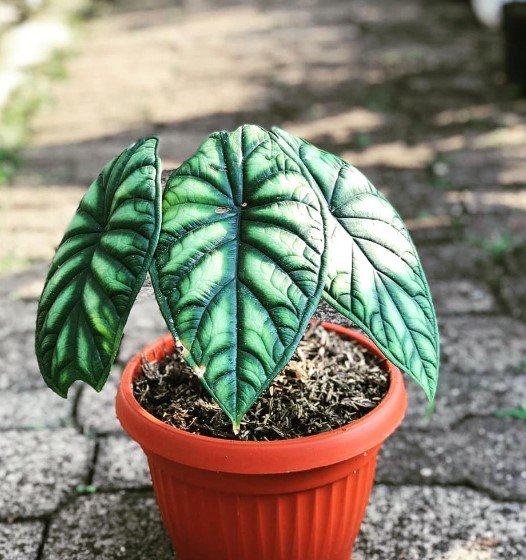
Alocasia baginda 'Dragon Scale' Plant Rare Flower Home Rare Live Plant For Your Home Garden
Alocasia baginda, often referred to as the Dragon Scale Alocasia due to its unique leaf texture, is a striking and somewhat finicky houseplant. Here’s how you can provide the best care for it:
### Light
- **Bright, Indirect Light:** Alocasia baginda thrives in bright, indirect light. Direct sunlight can scorch its leaves, so a spot near a window with filtered light is ideal.
### Water
- **Consistent Moisture:** Keep the soil consistently moist but not soggy. Allow the top inch of soil to dry out between waterings. In winter, reduce watering as the plant's growth slows down.
- **Water Quality:** Use room temperature water, and avoid letting the plant sit in water as this can lead to root rot.
### Humidity
- **High Humidity:** Alocasia baginda loves high humidity. Aim for a humidity level of at least 60%. Consider using a humidity tray or a room humidifier to keep the environment moist.
- **Misting:** Regular misting can also help maintain humidity, but it’s not a substitute for a proper humidity level.
### Temperature
- **Warm Temperatures:** Maintain temperatures between 65-80°F (18-27°C). It doesn’t tolerate cold temperatures well, so keep it away from drafts and sudden temperature changes.
### Soil
- **Well-Draining Soil:** Use a well-draining potting mix. A blend of peat, perlite, and orchid bark is excellent for ensuring good drainage and preventing root rot.
### Fertilizing
- **Regular Feeding:** Feed the plant with a balanced, water-soluble fertilizer every 4-6 weeks during the growing season (spring and summer). Reduce feeding in the fall and winter when growth slows.
### Potting
- **Repotting:** Repot every 1-2 years or when the plant becomes root-bound. Use a pot with good drainage holes to prevent water from sitting at the bottom.
### Pruning and Cleaning
- **Pruning:** Remove any yellow or dead leaves to keep the plant healthy and encourage new growth.
- **Cleaning:** Gently wipe the leaves with a damp cloth to remove dust and keep the plant looking its best.
### Pests and Problems
- **Pests:** Watch out for common pests like spider mites, aphids, and mealybugs. Regularly inspect the plant and treat any infestations promptly.
- **Diseases:** Ensure good air circulation and avoid overwatering to prevent fungal issues. Root rot is a common problem with Alocasia, so monitor the plant for any signs of trouble.
By providing the right conditions and paying attention to its needs, your Alocasia baginda can thrive and remain a stunning centerpiece in your plant collection!
In the photo is not factual item...
The size live plant item depends on stock...
Thank you
Alocasia baginda, often referred to as the Dragon Scale Alocasia due to its unique leaf texture, is a striking and somewhat finicky houseplant. Here’s how you can provide the best care for it:
### Light
- **Bright, Indirect Light:** Alocasia baginda thrives in bright, indirect light. Direct sunlight can scorch its leaves, so a spot near a window with filtered light is ideal.
### Water
- **Consistent Moisture:** Keep the soil consistently moist but not soggy. Allow the top inch of soil to dry out between waterings. In winter, reduce watering as the plant's growth slows down.
- **Water Quality:** Use room temperature water, and avoid letting the plant sit in water as this can lead to root rot.
### Humidity
- **High Humidity:** Alocasia baginda loves high humidity. Aim for a humidity level of at least 60%. Consider using a humidity tray or a room humidifier to keep the environment moist.
- **Misting:** Regular misting can also help maintain humidity, but it’s not a substitute for a proper humidity level.
### Temperature
- **Warm Temperatures:** Maintain temperatures between 65-80°F (18-27°C). It doesn’t tolerate cold temperatures well, so keep it away from drafts and sudden temperature changes.
### Soil
- **Well-Draining Soil:** Use a well-draining potting mix. A blend of peat, perlite, and orchid bark is excellent for ensuring good drainage and preventing root rot.
### Fertilizing
- **Regular Feeding:** Feed the plant with a balanced, water-soluble fertilizer every 4-6 weeks during the growing season (spring and summer). Reduce feeding in the fall and winter when growth slows.
### Potting
- **Repotting:** Repot every 1-2 years or when the plant becomes root-bound. Use a pot with good drainage holes to prevent water from sitting at the bottom.
### Pruning and Cleaning
- **Pruning:** Remove any yellow or dead leaves to keep the plant healthy and encourage new growth.
- **Cleaning:** Gently wipe the leaves with a damp cloth to remove dust and keep the plant looking its best.
### Pests and Problems
- **Pests:** Watch out for common pests like spider mites, aphids, and mealybugs. Regularly inspect the plant and treat any infestations promptly.
- **Diseases:** Ensure good air circulation and avoid overwatering to prevent fungal issues. Root rot is a common problem with Alocasia, so monitor the plant for any signs of trouble.
By providing the right conditions and paying attention to its needs, your Alocasia baginda can thrive and remain a stunning centerpiece in your plant collection!
In the photo is not factual item...
The size live plant item depends on stock...
Thank you
You may also be interested in:
-
$6.96

-
$6.78
-
$8.35

-
$7.08
-
$11.88
-
$9.68
-
$11.28
-
$12.45
-
$12.45
-
$10.47


 ID, YOGYAKARTA
