
$139.89
On Hold
Black Sapote Tree Rare Fruit Garden Plant Home Live Plant Rare Garden #MPS
Black Sapote Tree Rare Fruit Garden Plant Home Live Plant Rare Garden #MPS
The Black Sapote tree, scientifically known as Diospyros digyna, is a tropical evergreen tree native to Mexico, Central America, and parts of the Caribbean. Here's an overview of the Black Sapote tree and its fruit:
1. **Appearance**: The Black Sapote tree is medium-sized, reaching heights of 10 to 25 meters (33 to 82 feet). It has glossy, dark green leaves and produces small, inconspicuous flowers.
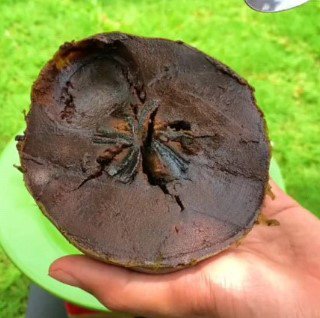
2. **Fruit**: The fruit of the Black Sapote is also known as the "chocolate pudding fruit" due to its appearance and flavor when ripe. It is typically round or slightly oval and can range from green to dark brown or nearly black when fully ripe. The flesh inside is creamy and custard-like, resembling the texture of chocolate pudding. Despite its appearance, it is not related to chocolate.
3. **Flavor and Texture**: When ripe, the Black Sapote fruit has a sweet flavor with hints of chocolate and vanilla. The texture is smooth and creamy, making it a popular choice for desserts.
4. **Culinary Uses**: Black Sapote fruit is primarily eaten fresh. It can be scooped out and eaten as-is, used as a topping for ice cream or yogurt, or blended into smoothies and milkshakes. It is also used in baking, such as in cakes, pies, and other desserts where its creamy texture and sweet flavor can be showcased.
5. **Nutritional Value**: Black Sapote fruit is low in calories but rich in vitamins (especially vitamin C and vitamin A), minerals (such as potassium and calcium), and dietary fiber. It also contains antioxidants, which may contribute to its potential health benefits.
6. **Growing Conditions**: Black Sapote trees thrive in tropical and subtropical climates. They prefer well-drained soil and regular watering. The trees are sensitive to frost and prefer full sun exposure for optimal fruit production.
7. **Harvesting**: Black Sapote fruit is harvested when fully ripe, which is indicated by its dark color and slightly soft texture. The fruit should be handled gently to avoid bruising.
8. **Health Benefits**: Consuming Black Sapote fruit may offer various health benefits, including supporting immune function, promoting digestive health due to its fiber content, and providing essential vitamins and minerals.
Overall, the Black Sapote tree and its fruit are valued for their unique flavor, creamy texture, and potential health benefits, making them a favorite among tropical fruit enthusiasts and those looking to explore lesser-known fruits with culinary potential.
In the photo is not factual item...
The size live plant item depends on stock...
Thank you
The Black Sapote tree, scientifically known as Diospyros digyna, is a tropical evergreen tree native to Mexico, Central America, and parts of the Caribbean. Here's an overview of the Black Sapote tree and its fruit:
1. **Appearance**: The Black Sapote tree is medium-sized, reaching heights of 10 to 25 meters (33 to 82 feet). It has glossy, dark green leaves and produces small, inconspicuous flowers.
2. **Fruit**: The fruit of the Black Sapote is also known as the "chocolate pudding fruit" due to its appearance and flavor when ripe. It is typically round or slightly oval and can range from green to dark brown or nearly black when fully ripe. The flesh inside is creamy and custard-like, resembling the texture of chocolate pudding. Despite its appearance, it is not related to chocolate.
3. **Flavor and Texture**: When ripe, the Black Sapote fruit has a sweet flavor with hints of chocolate and vanilla. The texture is smooth and creamy, making it a popular choice for desserts.
4. **Culinary Uses**: Black Sapote fruit is primarily eaten fresh. It can be scooped out and eaten as-is, used as a topping for ice cream or yogurt, or blended into smoothies and milkshakes. It is also used in baking, such as in cakes, pies, and other desserts where its creamy texture and sweet flavor can be showcased.
5. **Nutritional Value**: Black Sapote fruit is low in calories but rich in vitamins (especially vitamin C and vitamin A), minerals (such as potassium and calcium), and dietary fiber. It also contains antioxidants, which may contribute to its potential health benefits.
6. **Growing Conditions**: Black Sapote trees thrive in tropical and subtropical climates. They prefer well-drained soil and regular watering. The trees are sensitive to frost and prefer full sun exposure for optimal fruit production.
7. **Harvesting**: Black Sapote fruit is harvested when fully ripe, which is indicated by its dark color and slightly soft texture. The fruit should be handled gently to avoid bruising.
8. **Health Benefits**: Consuming Black Sapote fruit may offer various health benefits, including supporting immune function, promoting digestive health due to its fiber content, and providing essential vitamins and minerals.
Overall, the Black Sapote tree and its fruit are valued for their unique flavor, creamy texture, and potential health benefits, making them a favorite among tropical fruit enthusiasts and those looking to explore lesser-known fruits with culinary potential.
In the photo is not factual item...
The size live plant item depends on stock...
Thank you
You may also be interested in:
-
$1,828.59

-
$863.42

-
$2,154.46

-
$1,694.19

-
$1,518.96

-
$782.04

-
$2,660.67

-
$711.07

-
$1,877.86

-
$1,538.23


 ID, Jawa Timur
