
$139.89
On Hold
Purple Mangosteen Rare Fruit Garden Plant Home Live Plant Rare Garden #MPS
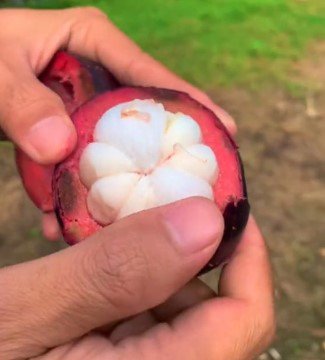
Purple Mangosteen Rare Fruit Garden Plant Home Live Plant Rare Garden #MPS
The purple mangosteen, scientifically known as Garcinia mangostana, is a tropical fruit native to Southeast Asia. Here's a comprehensive overview of the purple mangosteen:
1. **Appearance**: The purple mangosteen is a round fruit, typically about the size of a tangerine, with a thick purple rind. The rind is leathery and contains bitter latex. Inside, the fruit is segmented into juicy, snow-white flesh (arils), each containing a seed.
2. **Flavor**: The flesh of the purple mangosteen is highly prized for its sweet and tangy flavor. It is often described as a combination of peach, strawberry, and vanilla, with a hint of citrus.
3. **Nutritional Value**: Purple mangosteen is low in calories but rich in vitamins (such as vitamin C) and minerals (including potassium, magnesium, and manganese). It also contains xanthones, a type of antioxidant believed to have various health benefits.
4. **Culinary Uses**: Purple mangosteen is typically eaten fresh by cutting open the thick rind and scooping out the segments of flesh. It is enjoyed as a dessert fruit on its own, added to fruit salads, or used in smoothies and juices. In some Southeast Asian cuisines, the rind may be used in cooking or steeped in tea for its medicinal properties.
5. **Cultural Significance**: Purple mangosteen holds cultural significance in Southeast Asia, where it is often referred to as the "queen of fruits" due to its unique flavor and health benefits. It is associated with traditional medicine practices in the region.
6. **Growing Conditions**: The purple mangosteen tree thrives in tropical climates with high humidity and well-drained, slightly acidic soil. It requires consistent moisture and protection from strong winds. The tree is relatively slow-growing and can take several years to bear fruit.
7. **Health Benefits**: In traditional medicine, various parts of the purple mangosteen tree have been used to treat ailments such as diarrhea, skin infections, and inflammation. The fruit's high antioxidant content may contribute to its potential health benefits.
Overall, the purple mangosteen is prized not only for its delicious taste but also for its potential health-promoting properties and cultural significance in Southeast Asia. It remains a coveted fruit both locally and in international markets where it is available.
In the photo is not factual item...
The size live plant item depends on stock...
Thank you
The purple mangosteen, scientifically known as Garcinia mangostana, is a tropical fruit native to Southeast Asia. Here's a comprehensive overview of the purple mangosteen:
1. **Appearance**: The purple mangosteen is a round fruit, typically about the size of a tangerine, with a thick purple rind. The rind is leathery and contains bitter latex. Inside, the fruit is segmented into juicy, snow-white flesh (arils), each containing a seed.
2. **Flavor**: The flesh of the purple mangosteen is highly prized for its sweet and tangy flavor. It is often described as a combination of peach, strawberry, and vanilla, with a hint of citrus.
3. **Nutritional Value**: Purple mangosteen is low in calories but rich in vitamins (such as vitamin C) and minerals (including potassium, magnesium, and manganese). It also contains xanthones, a type of antioxidant believed to have various health benefits.
4. **Culinary Uses**: Purple mangosteen is typically eaten fresh by cutting open the thick rind and scooping out the segments of flesh. It is enjoyed as a dessert fruit on its own, added to fruit salads, or used in smoothies and juices. In some Southeast Asian cuisines, the rind may be used in cooking or steeped in tea for its medicinal properties.
5. **Cultural Significance**: Purple mangosteen holds cultural significance in Southeast Asia, where it is often referred to as the "queen of fruits" due to its unique flavor and health benefits. It is associated with traditional medicine practices in the region.
6. **Growing Conditions**: The purple mangosteen tree thrives in tropical climates with high humidity and well-drained, slightly acidic soil. It requires consistent moisture and protection from strong winds. The tree is relatively slow-growing and can take several years to bear fruit.
7. **Health Benefits**: In traditional medicine, various parts of the purple mangosteen tree have been used to treat ailments such as diarrhea, skin infections, and inflammation. The fruit's high antioxidant content may contribute to its potential health benefits.
Overall, the purple mangosteen is prized not only for its delicious taste but also for its potential health-promoting properties and cultural significance in Southeast Asia. It remains a coveted fruit both locally and in international markets where it is available.
In the photo is not factual item...
The size live plant item depends on stock...
Thank you
You may also be interested in:
-
$2,154.46
-
$1,822.76
-
$419.70

-
$23.77

-
$139.90

-
$59.04

-
$17.47

-
$22.38

-
$989.09
-
$214.05


 ID, Jawa Timur
