
$113.19
On Hold
Syngonium Pink Finger Rare Flower Garden Plant Home Live Plant Rare Garden #MPS
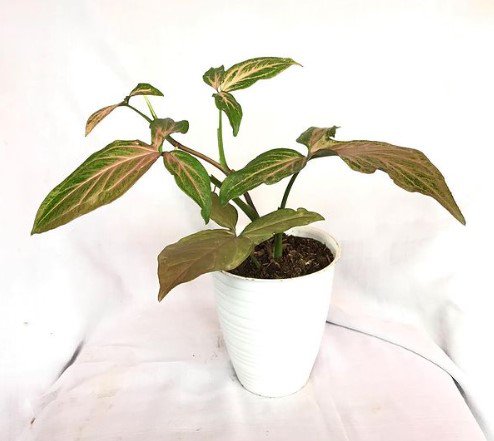
Syngonium Pink Finger Rare Flower Garden Plant Home Live Plant Rare Garden #MPS
Syngonium Pink, also known as Syngonium podophyllum 'Pink', is a popular cultivar of Syngonium appreciated for its attractive foliage and ease of care. Here’s an overview of this plant:
1. **Appearance**:
- **Leaves**: The leaves of Syngonium Pink are typically arrowhead-shaped, with a pinkish hue that varies from pale pink to deeper shades, depending on the light conditions and maturity of the plant. The young leaves often display more intense pink coloring, which may fade slightly as they mature. The leaves have a glossy texture and are usually marked with veins that may be a lighter or darker shade of pink, creating a variegated effect.
- **Growth habit**: Syngonium Pink grows as a trailing or climbing vine and can be encouraged to climb a support or allowed to cascade from a hanging basket. It has a moderate growth rate and can reach several feet in length with proper care.
2. **Hardiness**: Syngonium Pink is relatively easy to care for, making it suitable for indoor environments.
3. **Care**:
- **Light**: Prefers bright, indirect light. Syngonium Pink can tolerate lower light conditions but may not exhibit its best growth or coloration. Direct sunlight should be avoided, as it can scorch the leaves.
- **Water**: Keep the soil consistently moist during the growing season (spring and summer), allowing the top inch of soil to dry out slightly between waterings. Reduce watering in the winter months, but do not let the soil dry out completely.
- **Humidity**: Prefers moderate to high humidity levels. Regular misting or placing the plant on a humidity tray filled with water and pebbles can help maintain adequate moisture levels, especially in dry indoor environments.
- **Temperature**: Prefers temperatures between 65-75°F (18-24°C). Protect it from cold drafts and sudden temperature fluctuations.
- **Soil**: Use a well-draining potting mix rich in organic matter. A mix formulated for houseplants or tropical plants is suitable.
4. **Fertilization**: Feed Syngonium Pink with a balanced liquid fertilizer diluted to half strength every 4-6 weeks during the growing season (spring and summer). Reduce fertilization in the fall and winter when growth slows down.
5. **Propagation**: Propagate Syngonium Pink through stem cuttings. Cut a stem with a few nodes and leaves, dip the cut end in rooting hormone (optional), and place it in moist potting mix or water until roots develop. Once rooted, transplant into a pot with potting soil.
6. **Maintenance**: Prune Syngonium Pink as needed to control its size and shape. Remove any yellow or brown leaves promptly to encourage new growth. Clean the leaves periodically with a damp cloth to remove dust and maintain foliage health.
7. **Caution**: Syngonium species are considered mildly toxic if ingested, and the sap may cause skin irritation in some individuals. Keep out of reach of pets and children.
Syngonium Pink is valued for its decorative foliage and versatility in indoor settings. With proper care and attention to its light, water, humidity, and temperature requirements, it will thrive and continue to display its charming pink-tinged leaves.
In the photo is not factual item...
The size live plant item depends on stock...
Thank you
Syngonium Pink, also known as Syngonium podophyllum 'Pink', is a popular cultivar of Syngonium appreciated for its attractive foliage and ease of care. Here’s an overview of this plant:
1. **Appearance**:
- **Leaves**: The leaves of Syngonium Pink are typically arrowhead-shaped, with a pinkish hue that varies from pale pink to deeper shades, depending on the light conditions and maturity of the plant. The young leaves often display more intense pink coloring, which may fade slightly as they mature. The leaves have a glossy texture and are usually marked with veins that may be a lighter or darker shade of pink, creating a variegated effect.
- **Growth habit**: Syngonium Pink grows as a trailing or climbing vine and can be encouraged to climb a support or allowed to cascade from a hanging basket. It has a moderate growth rate and can reach several feet in length with proper care.
2. **Hardiness**: Syngonium Pink is relatively easy to care for, making it suitable for indoor environments.
3. **Care**:
- **Light**: Prefers bright, indirect light. Syngonium Pink can tolerate lower light conditions but may not exhibit its best growth or coloration. Direct sunlight should be avoided, as it can scorch the leaves.
- **Water**: Keep the soil consistently moist during the growing season (spring and summer), allowing the top inch of soil to dry out slightly between waterings. Reduce watering in the winter months, but do not let the soil dry out completely.
- **Humidity**: Prefers moderate to high humidity levels. Regular misting or placing the plant on a humidity tray filled with water and pebbles can help maintain adequate moisture levels, especially in dry indoor environments.
- **Temperature**: Prefers temperatures between 65-75°F (18-24°C). Protect it from cold drafts and sudden temperature fluctuations.
- **Soil**: Use a well-draining potting mix rich in organic matter. A mix formulated for houseplants or tropical plants is suitable.
4. **Fertilization**: Feed Syngonium Pink with a balanced liquid fertilizer diluted to half strength every 4-6 weeks during the growing season (spring and summer). Reduce fertilization in the fall and winter when growth slows down.
5. **Propagation**: Propagate Syngonium Pink through stem cuttings. Cut a stem with a few nodes and leaves, dip the cut end in rooting hormone (optional), and place it in moist potting mix or water until roots develop. Once rooted, transplant into a pot with potting soil.
6. **Maintenance**: Prune Syngonium Pink as needed to control its size and shape. Remove any yellow or brown leaves promptly to encourage new growth. Clean the leaves periodically with a damp cloth to remove dust and maintain foliage health.
7. **Caution**: Syngonium species are considered mildly toxic if ingested, and the sap may cause skin irritation in some individuals. Keep out of reach of pets and children.
Syngonium Pink is valued for its decorative foliage and versatility in indoor settings. With proper care and attention to its light, water, humidity, and temperature requirements, it will thrive and continue to display its charming pink-tinged leaves.
In the photo is not factual item...
The size live plant item depends on stock...
Thank you
You may also be interested in:
-
$2,206.82
-
$1,411.51

-
$481.93
-
$474.17

-
$878.70
-
$1,735.36
-
$26,144.90
-
$571.77
-
$606.16
-
$722.23


 ID, Jawa Timur
