
$128.96
On Hold
Peperomia Watermelon Rare Flower Garden Plant Home Live Plant Rare Garden #MPS
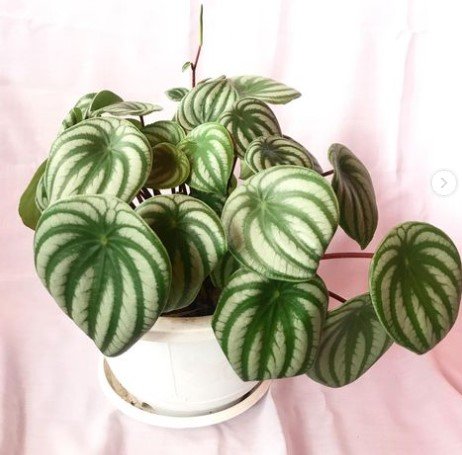
Peperomia Watermelon Rare Flower Garden Plant Home Live Plant Rare Garden #MPS
Peperomia argyreia, commonly known as Watermelon Peperomia, is a charming houseplant celebrated for its distinctive foliage that resembles the pattern of a watermelon rind. Here's an overview of this delightful plant:
1. **Appearance**:
- **Leaves**: The leaves of Peperomia argyreia are thick, succulent-like, and have a unique oval shape with a waxy texture. They feature striking patterns of silver-green stripes that resemble the skin of a watermelon, which gives the plant its common name.
- **Growth habit**: Watermelon Peperomia is a compact plant, typically growing up to 8 inches (20 cm) tall and wide. It has a bushy growth habit and is well-suited for tabletops or as part of a plant arrangement.
2. **Hardiness**: Peperomia argyreia is relatively easy to care for, making it ideal for indoor environments.
3. **Care**:
- **Light**: Prefers bright, indirect light. Watermelon Peperomia can tolerate lower light conditions, but its growth may slow down, and the leaf patterns may fade. Avoid direct sunlight, as it can scorch the leaves.
- **Water**: Allow the top inch of soil to dry out between waterings. Watermelon Peperomia prefers slightly moist soil but is susceptible to root rot if overwatered. During the winter months, reduce watering frequency as the plant's growth slows down.
- **Humidity**: Prefers moderate to high humidity levels. Regular misting or placing the plant on a humidity tray filled with water and pebbles can help maintain adequate moisture levels, especially in dry indoor environments.
- **Temperature**: Watermelon Peperomia prefers temperatures between 65-75°F (18-24°C). Protect it from cold drafts and sudden temperature fluctuations, as it prefers consistent conditions.
- **Soil**: Use a well-draining potting mix formulated for succulents or houseplants. A mix with good aeration and organic matter content is ideal.
4. **Fertilization**: Feed Watermelon Peperomia with a balanced liquid fertilizer diluted to half strength every 4-6 weeks during the growing season (spring and summer). Reduce fertilization in the fall and winter when growth slows down.
5. **Propagation**: Propagate Watermelon Peperomia through stem cuttings. Cut a healthy stem with a few leaves attached and place it in moist potting mix or water until roots develop. Once rooted, transplant into a pot with potting soil.
6. **Maintenance**: Prune Watermelon Peperomia occasionally to maintain its shape and remove any yellow or damaged leaves. Clean the leaves periodically with a damp cloth to remove dust and improve the plant's appearance.
7. **Caution**: Peperomia argyreia is non-toxic to humans and pets, making it a safe choice for households with animals.
Watermelon Peperomia is a delightful addition to any indoor plant collection, appreciated for its attractive foliage and easy care requirements. With proper attention to light, water, humidity, and temperature needs, it will thrive and continue to display its charming watermelon-like leaves.
In the photo is not factual item...
The size live plant item depends on stock...
Thank you
Peperomia argyreia, commonly known as Watermelon Peperomia, is a charming houseplant celebrated for its distinctive foliage that resembles the pattern of a watermelon rind. Here's an overview of this delightful plant:
1. **Appearance**:
- **Leaves**: The leaves of Peperomia argyreia are thick, succulent-like, and have a unique oval shape with a waxy texture. They feature striking patterns of silver-green stripes that resemble the skin of a watermelon, which gives the plant its common name.
- **Growth habit**: Watermelon Peperomia is a compact plant, typically growing up to 8 inches (20 cm) tall and wide. It has a bushy growth habit and is well-suited for tabletops or as part of a plant arrangement.
2. **Hardiness**: Peperomia argyreia is relatively easy to care for, making it ideal for indoor environments.
3. **Care**:
- **Light**: Prefers bright, indirect light. Watermelon Peperomia can tolerate lower light conditions, but its growth may slow down, and the leaf patterns may fade. Avoid direct sunlight, as it can scorch the leaves.
- **Water**: Allow the top inch of soil to dry out between waterings. Watermelon Peperomia prefers slightly moist soil but is susceptible to root rot if overwatered. During the winter months, reduce watering frequency as the plant's growth slows down.
- **Humidity**: Prefers moderate to high humidity levels. Regular misting or placing the plant on a humidity tray filled with water and pebbles can help maintain adequate moisture levels, especially in dry indoor environments.
- **Temperature**: Watermelon Peperomia prefers temperatures between 65-75°F (18-24°C). Protect it from cold drafts and sudden temperature fluctuations, as it prefers consistent conditions.
- **Soil**: Use a well-draining potting mix formulated for succulents or houseplants. A mix with good aeration and organic matter content is ideal.
4. **Fertilization**: Feed Watermelon Peperomia with a balanced liquid fertilizer diluted to half strength every 4-6 weeks during the growing season (spring and summer). Reduce fertilization in the fall and winter when growth slows down.
5. **Propagation**: Propagate Watermelon Peperomia through stem cuttings. Cut a healthy stem with a few leaves attached and place it in moist potting mix or water until roots develop. Once rooted, transplant into a pot with potting soil.
6. **Maintenance**: Prune Watermelon Peperomia occasionally to maintain its shape and remove any yellow or damaged leaves. Clean the leaves periodically with a damp cloth to remove dust and improve the plant's appearance.
7. **Caution**: Peperomia argyreia is non-toxic to humans and pets, making it a safe choice for households with animals.
Watermelon Peperomia is a delightful addition to any indoor plant collection, appreciated for its attractive foliage and easy care requirements. With proper attention to light, water, humidity, and temperature needs, it will thrive and continue to display its charming watermelon-like leaves.
In the photo is not factual item...
The size live plant item depends on stock...
Thank you
You may also be interested in:
-
$12.80
-
$8.80
-
$11.45

-
$11.45

-
$15.76

-
$12.80

-
$6.58

-
$35.58

-
$12.80
-
$12.08


 ID, Jawa Timur
