
$114.63
On Hold
Calathea Picturata Peacock Rare Flower Garden Plant Home Live Plant Rare Garden #MPS
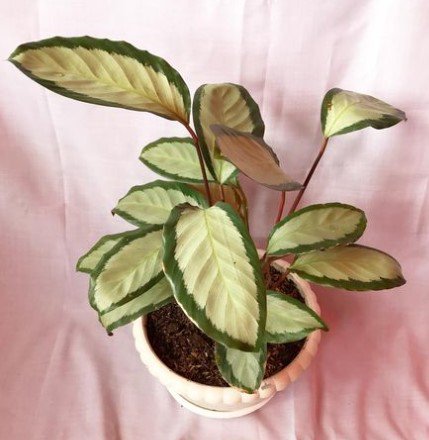
Calathea Picturata Peacock Rare Flower Garden Plant Home Live Plant Rare Garden #MPS
Calathea Picturata is a striking variety of Calathea, known for its bold and colorful foliage. Here’s what you need to know about this plant:
1. **Appearance**:
- **Leaves**: The leaves of Calathea Picturata are oval-shaped with distinctive patterns. They typically feature a dark green background with lighter green or silver markings along the veins. Some varieties may also have pink or burgundy undersides, adding to their ornamental appeal.
- **Growth habit**: Calathea Picturata grows in clumps with leaves growing directly from the soil. It typically reaches a height of about 12-24 inches (30-60 cm), making it suitable for tabletops or as a floor plant in larger pots.
2. **Hardiness**: Calathea Picturata requires specific care to thrive due to its sensitivity to environmental conditions.
3. **Care**:
- **Light**: Prefers bright, indirect light. Avoid direct sunlight, as it can scorch the leaves and cause the vibrant colors to fade. Calathea Picturata can tolerate lower light conditions, but its growth may slow down, and the leaf patterns may become less pronounced.
- **Water**: Keep the soil consistently moist during the growing season (spring and summer), but not soggy. Water thoroughly and allow the top inch of soil to dry out slightly between waterings. Reduce watering in the winter months, but do not let the soil dry out completely.
- **Humidity**: Requires high humidity to thrive. Regular misting or placing the plant on a humidity tray filled with water and pebbles can help maintain adequate moisture levels. Alternatively, use a room humidifier to increase humidity around the plant.
- **Temperature**: Prefers temperatures between 65-75°F (18-24°C). Avoid placing it near drafts, heaters, or air conditioning vents, as sudden temperature changes can stress the plant.
- **Soil**: Use a well-draining potting mix rich in organic matter. A mix formulated for tropical plants or Calathea species is ideal.
4. **Fertilization**: Feed Calathea Picturata with a balanced liquid fertilizer diluted to half strength every 4-6 weeks during the growing season (spring and summer). Reduce fertilization in the fall and winter when growth slows down.
5. **Propagation**: Propagate Calathea Picturata through division. During repotting, carefully divide the plant into smaller sections, ensuring each section has roots attached. Plant the divisions in separate pots with fresh potting soil.
6. **Maintenance**: Trim yellow or brown leaves as needed to maintain the plant’s appearance and overall health. Clean the leaves periodically by gently wiping them with a damp cloth to remove dust and improve the plant's ability to photosynthesize.
7. **Caution**: Calathea Picturata is non-toxic to humans and pets, making it a safe choice for households with animals.
Calathea Picturata is prized for its decorative foliage and is perfect for adding color and texture to indoor spaces. With proper care and attention to its specific needs, it will thrive and continue to display its vibrant leaf patterns.
In the photo is not factual item...
The size live plant item depends on stock...
Thank you
Calathea Picturata is a striking variety of Calathea, known for its bold and colorful foliage. Here’s what you need to know about this plant:
1. **Appearance**:
- **Leaves**: The leaves of Calathea Picturata are oval-shaped with distinctive patterns. They typically feature a dark green background with lighter green or silver markings along the veins. Some varieties may also have pink or burgundy undersides, adding to their ornamental appeal.
- **Growth habit**: Calathea Picturata grows in clumps with leaves growing directly from the soil. It typically reaches a height of about 12-24 inches (30-60 cm), making it suitable for tabletops or as a floor plant in larger pots.
2. **Hardiness**: Calathea Picturata requires specific care to thrive due to its sensitivity to environmental conditions.
3. **Care**:
- **Light**: Prefers bright, indirect light. Avoid direct sunlight, as it can scorch the leaves and cause the vibrant colors to fade. Calathea Picturata can tolerate lower light conditions, but its growth may slow down, and the leaf patterns may become less pronounced.
- **Water**: Keep the soil consistently moist during the growing season (spring and summer), but not soggy. Water thoroughly and allow the top inch of soil to dry out slightly between waterings. Reduce watering in the winter months, but do not let the soil dry out completely.
- **Humidity**: Requires high humidity to thrive. Regular misting or placing the plant on a humidity tray filled with water and pebbles can help maintain adequate moisture levels. Alternatively, use a room humidifier to increase humidity around the plant.
- **Temperature**: Prefers temperatures between 65-75°F (18-24°C). Avoid placing it near drafts, heaters, or air conditioning vents, as sudden temperature changes can stress the plant.
- **Soil**: Use a well-draining potting mix rich in organic matter. A mix formulated for tropical plants or Calathea species is ideal.
4. **Fertilization**: Feed Calathea Picturata with a balanced liquid fertilizer diluted to half strength every 4-6 weeks during the growing season (spring and summer). Reduce fertilization in the fall and winter when growth slows down.
5. **Propagation**: Propagate Calathea Picturata through division. During repotting, carefully divide the plant into smaller sections, ensuring each section has roots attached. Plant the divisions in separate pots with fresh potting soil.
6. **Maintenance**: Trim yellow or brown leaves as needed to maintain the plant’s appearance and overall health. Clean the leaves periodically by gently wiping them with a damp cloth to remove dust and improve the plant's ability to photosynthesize.
7. **Caution**: Calathea Picturata is non-toxic to humans and pets, making it a safe choice for households with animals.
Calathea Picturata is prized for its decorative foliage and is perfect for adding color and texture to indoor spaces. With proper care and attention to its specific needs, it will thrive and continue to display its vibrant leaf patterns.
In the photo is not factual item...
The size live plant item depends on stock...
Thank you
You may also be interested in:
-
$8.80
-
$35.58

-
$6.58

-
$11.89

-
$10.76
-
$11.48
-
$10.76
-
$11.26
-
$7.87
-
$10.03


 ID, Jawa Timur
