
$111.70
Add to Cart
Philodendron Fibraecataphyllum Flower Rare Plant Live Rare Plant Exotic For Your Garden
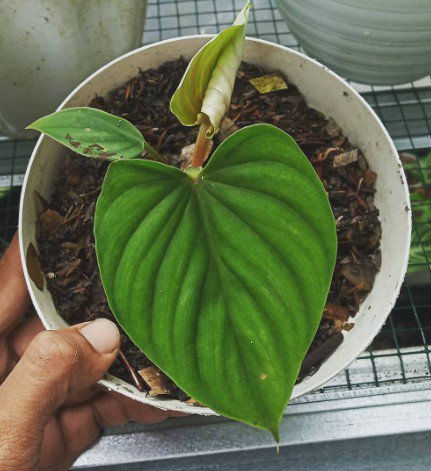
Philodendron Fibraecataphyllum Flower Rare Plant Live Rare Plant Exotic For Your Garden
Philodendron fibraecataphyllum, commonly known as Philodendron 'Fiddleleaf', is a striking and somewhat rare member of the Philodendron genus. Here are the key features and characteristics of Philodendron fibraecataphyllum:
1. **Foliage**: Philodendron fibraecataphyllum is known for its large, deeply lobed leaves that resemble a fiddle or violin, hence the common name 'Fiddleleaf'. The leaves can grow quite large, often reaching up to 1 meter (3 feet) in length. They are glossy and have prominent veins, giving them an attractive and textured appearance.
2. **Growth Habit**: This plant has an upright growth habit and can develop a bushy appearance with age. It may produce aerial roots along its stems, which can be used to climb structures or provided with a moss pole for support.
3. **Light**: Philodendron fibraecataphyllum thrives in bright, indirect light. Avoid direct sunlight, as it can scorch the leaves. It can tolerate lower light conditions, but growth may slow down and the plant may become leggy.
4. **Watering**: Keep the soil consistently moist during the growing season (spring and summer), allowing the top inch or so of soil to dry out between waterings. Reduce watering in the winter when growth slows down.
5. **Humidity**: This plant appreciates higher humidity levels. Regular misting or placing the pot on a humidity tray can help maintain adequate humidity, especially in dry indoor environments.
6. **Temperature**: Philodendron fibraecataphyllum prefers average to warm room temperatures ranging from 18°C to 24°C (65°F to 75°F). Protect it from drafts and sudden temperature changes.
7. **Soil**: Use a well-draining potting mix rich in organic matter. A mix formulated for houseplants or a combination of peat moss, perlite, and compost works well.
8. **Fertilizing**: Feed Philodendron fibraecataphyllum with a balanced liquid fertilizer diluted to half-strength every 4-6 weeks during the growing season. Reduce fertilization in the fall and winter when growth slows down.
9. **Propagation**: Propagate Philodendron fibraecataphyllum through stem cuttings. Cut a stem just below a node (where leaves emerge) and place it in water or a moist potting mix. Roots will develop over time, and the cutting can be potted into its own container.
10. **Pests and Problems**: Watch out for common houseplant pests such as spider mites, mealybugs, and aphids. Treat infestations promptly with insecticidal soap or neem oil.
Philodendron fibraecataphyllum is prized for its impressive foliage and relatively low-maintenance care requirements, making it a sought-after addition to indoor plant collections. With proper care and attention to its light, water, and humidity needs, it can thrive and become a stunning focal point in any indoor space.
In the photo is not factual item...
The size live plant item depends on stock...
Thank you
Philodendron fibraecataphyllum, commonly known as Philodendron 'Fiddleleaf', is a striking and somewhat rare member of the Philodendron genus. Here are the key features and characteristics of Philodendron fibraecataphyllum:
1. **Foliage**: Philodendron fibraecataphyllum is known for its large, deeply lobed leaves that resemble a fiddle or violin, hence the common name 'Fiddleleaf'. The leaves can grow quite large, often reaching up to 1 meter (3 feet) in length. They are glossy and have prominent veins, giving them an attractive and textured appearance.
2. **Growth Habit**: This plant has an upright growth habit and can develop a bushy appearance with age. It may produce aerial roots along its stems, which can be used to climb structures or provided with a moss pole for support.
3. **Light**: Philodendron fibraecataphyllum thrives in bright, indirect light. Avoid direct sunlight, as it can scorch the leaves. It can tolerate lower light conditions, but growth may slow down and the plant may become leggy.
4. **Watering**: Keep the soil consistently moist during the growing season (spring and summer), allowing the top inch or so of soil to dry out between waterings. Reduce watering in the winter when growth slows down.
5. **Humidity**: This plant appreciates higher humidity levels. Regular misting or placing the pot on a humidity tray can help maintain adequate humidity, especially in dry indoor environments.
6. **Temperature**: Philodendron fibraecataphyllum prefers average to warm room temperatures ranging from 18°C to 24°C (65°F to 75°F). Protect it from drafts and sudden temperature changes.
7. **Soil**: Use a well-draining potting mix rich in organic matter. A mix formulated for houseplants or a combination of peat moss, perlite, and compost works well.
8. **Fertilizing**: Feed Philodendron fibraecataphyllum with a balanced liquid fertilizer diluted to half-strength every 4-6 weeks during the growing season. Reduce fertilization in the fall and winter when growth slows down.
9. **Propagation**: Propagate Philodendron fibraecataphyllum through stem cuttings. Cut a stem just below a node (where leaves emerge) and place it in water or a moist potting mix. Roots will develop over time, and the cutting can be potted into its own container.
10. **Pests and Problems**: Watch out for common houseplant pests such as spider mites, mealybugs, and aphids. Treat infestations promptly with insecticidal soap or neem oil.
Philodendron fibraecataphyllum is prized for its impressive foliage and relatively low-maintenance care requirements, making it a sought-after addition to indoor plant collections. With proper care and attention to its light, water, and humidity needs, it can thrive and become a stunning focal point in any indoor space.
In the photo is not factual item...
The size live plant item depends on stock...
Thank you


 ID, DI Yogyakarta
