
$83.63
On Hold
Caladium Bicolor Bulbs Plant Rare Flower Home Rare Live Plant For Your Home Garden
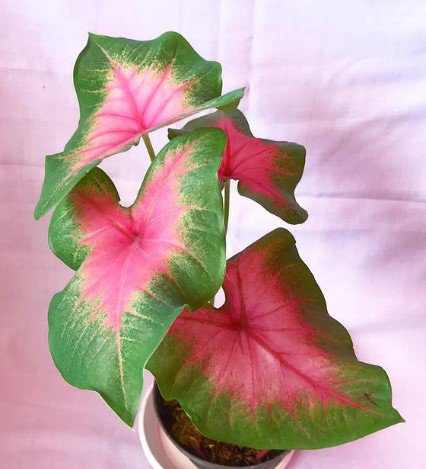
Caladium Bicolor Bulbs Plant Rare Flower Home Rare Live Plant For Your Home Garden
Caladiums are popular plants known for their colorful and often striking foliage. They are typically grown from tubers, also known as bulbs. Here’s what you need to know about Caladium bulbs and how to care for them:
### Caladium Bulbs Overview:
1. **Appearance**: Caladium bulbs are usually round or somewhat flattened structures with a brownish outer skin. They range in size from small to large, depending on the variety and age of the bulb.
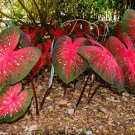
2. **Varieties**: There are many different varieties of Caladiums, each with its own unique leaf color patterns, ranging from vibrant reds and pinks to whites and greens. Some popular varieties include 'White Queen', 'Red Flash', and 'Pink Beauty'.
3. **Planting**: Caladium bulbs are typically planted in the spring, after the danger of frost has passed and the soil temperature has warmed. They are planted with the rounded side down, about 2 inches deep and spaced 8-12 inches apart.
4. **Growth Habit**: Once planted, Caladium bulbs will sprout shoots that grow into colorful foliage. The size and shape of the leaves vary depending on the variety, but they are generally heart-shaped and can reach up to 12 inches in length.
### Care Tips for Caladium Bulbs:
- **Light**: Caladiums prefer partial shade or filtered sunlight. Direct sunlight, especially in hot climates, can scorch the leaves. Morning sun or dappled shade is ideal.
- **Soil**: Plant Caladium bulbs in well-draining, fertile soil enriched with organic matter, such as compost or leaf mold. A slightly acidic soil pH around 5.5 to 6.5 is optimal.
- **Watering**: Keep the soil consistently moist but not waterlogged. Water Caladiums regularly during the growing season, ensuring the soil does not dry out completely. Reduce watering in the dormant season.
- **Fertilizing**: Feed Caladiums every 4-6 weeks during the growing season with a balanced fertilizer, or a fertilizer higher in phosphorus to promote flowering. Follow the manufacturer's instructions for dilution and application.
- **Temperature**: Caladiums thrive in warm temperatures above 70°F (21°C). They are tropical plants and should be protected from temperatures below 55°F (13°C), as cold can damage the bulbs.
- **Mulching**: Apply a layer of mulch around Caladium plants to help retain soil moisture and regulate soil temperature. This is particularly beneficial in hot climates.
- **Dormancy**: Caladiums are dormant in winter in cooler climates. During dormancy, reduce watering and allow the foliage to naturally die back. Lift and store bulbs in a cool, dry place if temperatures drop below freezing.
- **Pests and Diseases**: Caladiums are generally resistant to pests and diseases, but they can occasionally be affected by spider mites, aphids, or fungal leaf spots. Treat any issues promptly with appropriate insecticides or fungicides.
### Storing Caladium Bulbs:
- **Winter Storage**: In cooler climates where temperatures drop below freezing, dig up Caladium bulbs after the foliage has died back naturally. Clean excess soil off the bulbs and allow them to air dry. Store them in dry peat moss or vermiculite in a cool, dry location (around 50-60°F or 10-15°C) until the next planting season.
Caladium bulbs are versatile and can be grown in gardens, containers, or even indoors as houseplants. With proper care and attention to their specific needs for light, water, and soil, Caladiums will reward you with colorful foliage throughout the growing season.
In the photo is not factual item...
The size live plant item depends on stock...
Thank you
Caladiums are popular plants known for their colorful and often striking foliage. They are typically grown from tubers, also known as bulbs. Here’s what you need to know about Caladium bulbs and how to care for them:
### Caladium Bulbs Overview:
1. **Appearance**: Caladium bulbs are usually round or somewhat flattened structures with a brownish outer skin. They range in size from small to large, depending on the variety and age of the bulb.
2. **Varieties**: There are many different varieties of Caladiums, each with its own unique leaf color patterns, ranging from vibrant reds and pinks to whites and greens. Some popular varieties include 'White Queen', 'Red Flash', and 'Pink Beauty'.
3. **Planting**: Caladium bulbs are typically planted in the spring, after the danger of frost has passed and the soil temperature has warmed. They are planted with the rounded side down, about 2 inches deep and spaced 8-12 inches apart.
4. **Growth Habit**: Once planted, Caladium bulbs will sprout shoots that grow into colorful foliage. The size and shape of the leaves vary depending on the variety, but they are generally heart-shaped and can reach up to 12 inches in length.
### Care Tips for Caladium Bulbs:
- **Light**: Caladiums prefer partial shade or filtered sunlight. Direct sunlight, especially in hot climates, can scorch the leaves. Morning sun or dappled shade is ideal.
- **Soil**: Plant Caladium bulbs in well-draining, fertile soil enriched with organic matter, such as compost or leaf mold. A slightly acidic soil pH around 5.5 to 6.5 is optimal.
- **Watering**: Keep the soil consistently moist but not waterlogged. Water Caladiums regularly during the growing season, ensuring the soil does not dry out completely. Reduce watering in the dormant season.
- **Fertilizing**: Feed Caladiums every 4-6 weeks during the growing season with a balanced fertilizer, or a fertilizer higher in phosphorus to promote flowering. Follow the manufacturer's instructions for dilution and application.
- **Temperature**: Caladiums thrive in warm temperatures above 70°F (21°C). They are tropical plants and should be protected from temperatures below 55°F (13°C), as cold can damage the bulbs.
- **Mulching**: Apply a layer of mulch around Caladium plants to help retain soil moisture and regulate soil temperature. This is particularly beneficial in hot climates.
- **Dormancy**: Caladiums are dormant in winter in cooler climates. During dormancy, reduce watering and allow the foliage to naturally die back. Lift and store bulbs in a cool, dry place if temperatures drop below freezing.
- **Pests and Diseases**: Caladiums are generally resistant to pests and diseases, but they can occasionally be affected by spider mites, aphids, or fungal leaf spots. Treat any issues promptly with appropriate insecticides or fungicides.
### Storing Caladium Bulbs:
- **Winter Storage**: In cooler climates where temperatures drop below freezing, dig up Caladium bulbs after the foliage has died back naturally. Clean excess soil off the bulbs and allow them to air dry. Store them in dry peat moss or vermiculite in a cool, dry location (around 50-60°F or 10-15°C) until the next planting season.
Caladium bulbs are versatile and can be grown in gardens, containers, or even indoors as houseplants. With proper care and attention to their specific needs for light, water, and soil, Caladiums will reward you with colorful foliage throughout the growing season.
In the photo is not factual item...
The size live plant item depends on stock...
Thank you
You may also be interested in:
-
$13.31
-
$13.31

-
$7.72

-
$6.96

-
$10.20

-
$11.60
-
$8.35

-
$12.45
-
$13.31
-
$7.08


 ID, YOGYAKARTA
