
$109.11
On Hold
Syngonium 'Green Splash' RARE Flower Rare Plant Live Garden Plant rare Home Plant FREESHIPPING
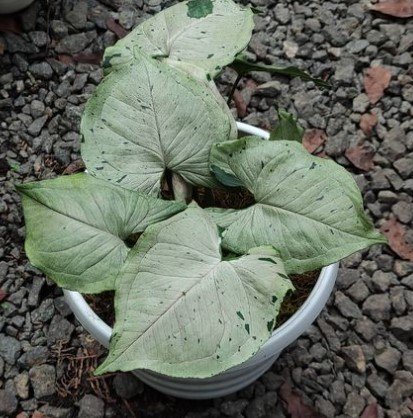
Syngonium 'Green Splash' RARE Flower Rare Plant Live Garden Plant rare Home Plant FREESHIPPING
Syngonium, also known as arrowhead plant or arrowhead vine, is a versatile and popular houseplant known for its attractive foliage and ease of care. Here’s a comprehensive guide on how to care for Syngonium:
### Light:
- **Light**: Syngonium plants prefer bright, indirect light. They can tolerate lower light conditions, but their growth may slow down. Avoid direct sunlight, especially intense afternoon sun, as it can scorch their leaves. A north or east-facing window with filtered sunlight is ideal.
### Temperature and Humidity:
- **Temperature**: Keep Syngonium plants in temperatures between 60°F to 75°F (16°C to 24°C) during the day. They can tolerate slightly cooler temperatures but avoid sudden temperature drops and drafts.
- **Humidity**: These plants prefer moderate to high humidity levels. Increase humidity by misting the leaves regularly with room temperature water, using a humidity tray with water and pebbles, or placing a room humidifier nearby. Aim to maintain humidity levels above 50%.
### Watering:
- **Watering**: Keep the soil evenly moist but not waterlogged. Water when the top inch (2.5 cm) of soil feels dry. Syngonium plants prefer slightly moist soil, so water thoroughly and allow excess water to drain away from the pot. Reduce watering in winter when growth slows down.
### Soil:
- **Soil**: Use a well-draining, peat-based potting mix. A mixture of peat moss, perlite, and orchid bark or a potting mix formulated for tropical plants works well. Ensure the pot has drainage holes to prevent waterlogging.
### Fertilizing:
- **Fertilizing**: Feed Syngonium plants with a balanced, water-soluble fertilizer diluted to half-strength every 4-6 weeks during the growing season (spring and summer). Reduce feeding in fall and winter when growth slows down.
### Potting and Repotting:
- **Potting**: Use a container with good drainage that is slightly larger than the current root ball. Syngonium plants prefer to be slightly root-bound, so only repot when necessary, typically every 1-2 years in spring. Use fresh potting mix during repotting.
### Pruning and Maintenance:
- **Pruning**: Trim any yellow or dead leaves regularly to maintain the plant's appearance and encourage new growth. Syngonium plants can be pruned to control their size and shape.
- **Pests**: Monitor for pests such as spider mites, aphids, and mealybugs. Treat infestations promptly with insecticidal soap or neem oil, ensuring to cover both sides of the leaves.
### Propagation:
- **Propagation**: Syngonium plants can be propagated easily through stem cuttings. Take 4-6 inch (10-15 cm) cuttings with at least one leaf node. Place the cuttings in water or directly into moist potting mix until roots develop. Once rooted, transplant into individual pots.
### Winter Care:
- **Winter Care**: Reduce watering frequency in winter when growth slows down. Protect Syngonium plants from cold drafts and maintain consistent humidity levels. Consider placing them away from heaters or vents that can dry out the air.
By following these care guidelines, you can ensure that your Syngonium plant remains healthy, vibrant, and continues to thrive as a beautiful addition to your indoor plant collection.
In the photo is not factual item...
The size live plant item depends on stock...
Thank you
Syngonium, also known as arrowhead plant or arrowhead vine, is a versatile and popular houseplant known for its attractive foliage and ease of care. Here’s a comprehensive guide on how to care for Syngonium:
### Light:
- **Light**: Syngonium plants prefer bright, indirect light. They can tolerate lower light conditions, but their growth may slow down. Avoid direct sunlight, especially intense afternoon sun, as it can scorch their leaves. A north or east-facing window with filtered sunlight is ideal.
### Temperature and Humidity:
- **Temperature**: Keep Syngonium plants in temperatures between 60°F to 75°F (16°C to 24°C) during the day. They can tolerate slightly cooler temperatures but avoid sudden temperature drops and drafts.
- **Humidity**: These plants prefer moderate to high humidity levels. Increase humidity by misting the leaves regularly with room temperature water, using a humidity tray with water and pebbles, or placing a room humidifier nearby. Aim to maintain humidity levels above 50%.
### Watering:
- **Watering**: Keep the soil evenly moist but not waterlogged. Water when the top inch (2.5 cm) of soil feels dry. Syngonium plants prefer slightly moist soil, so water thoroughly and allow excess water to drain away from the pot. Reduce watering in winter when growth slows down.
### Soil:
- **Soil**: Use a well-draining, peat-based potting mix. A mixture of peat moss, perlite, and orchid bark or a potting mix formulated for tropical plants works well. Ensure the pot has drainage holes to prevent waterlogging.
### Fertilizing:
- **Fertilizing**: Feed Syngonium plants with a balanced, water-soluble fertilizer diluted to half-strength every 4-6 weeks during the growing season (spring and summer). Reduce feeding in fall and winter when growth slows down.
### Potting and Repotting:
- **Potting**: Use a container with good drainage that is slightly larger than the current root ball. Syngonium plants prefer to be slightly root-bound, so only repot when necessary, typically every 1-2 years in spring. Use fresh potting mix during repotting.
### Pruning and Maintenance:
- **Pruning**: Trim any yellow or dead leaves regularly to maintain the plant's appearance and encourage new growth. Syngonium plants can be pruned to control their size and shape.
- **Pests**: Monitor for pests such as spider mites, aphids, and mealybugs. Treat infestations promptly with insecticidal soap or neem oil, ensuring to cover both sides of the leaves.
### Propagation:
- **Propagation**: Syngonium plants can be propagated easily through stem cuttings. Take 4-6 inch (10-15 cm) cuttings with at least one leaf node. Place the cuttings in water or directly into moist potting mix until roots develop. Once rooted, transplant into individual pots.
### Winter Care:
- **Winter Care**: Reduce watering frequency in winter when growth slows down. Protect Syngonium plants from cold drafts and maintain consistent humidity levels. Consider placing them away from heaters or vents that can dry out the air.
By following these care guidelines, you can ensure that your Syngonium plant remains healthy, vibrant, and continues to thrive as a beautiful addition to your indoor plant collection.
In the photo is not factual item...
The size live plant item depends on stock...
Thank you


 ID, Jawa Timur
