
$286.59
On Hold
Anthurium Angamarcanum RARE Flower Rare Plant Live Garden Plant rare Home Plant FREESHIPPING
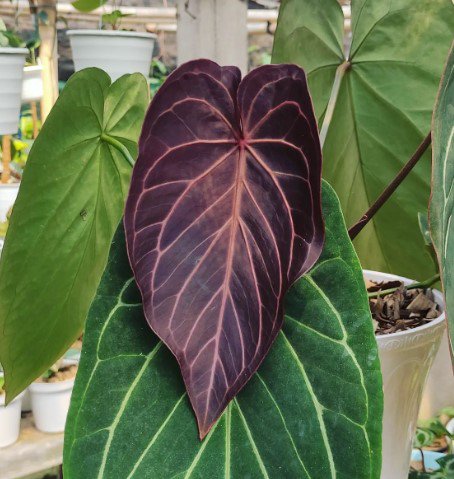
Anthurium Angamarcanum RARE Flower Rare Plant Live Garden Plant rare Home Plant FREESHIPPING
Anthuriums are popular houseplants known for their glossy, heart-shaped leaves and colorful spathes (flowers). Here’s a comprehensive guide on how to care for Anthuriums:
1. **Light**: Anthuriums prefer bright, indirect light. They can tolerate lower light conditions, but they will not bloom as profusely. Avoid direct sunlight, especially intense afternoon sun, as it can scorch the leaves.
2. **Temperature**: Keep Anthuriums in a warm environment with temperatures between 65°F to 80°F (18°C to 27°C). They are sensitive to cold drafts and temperatures below 50°F (10°C), so avoid placing them near drafts or cold windows.
3. **Humidity**: Anthuriums thrive in high humidity. Regularly mist the leaves or place the pot on a humidity tray filled with water and pebbles. A room humidifier can also help maintain humidity levels, especially during winter when indoor air tends to be drier.
4. **Watering**: Keep the soil evenly moist but not waterlogged. Water thoroughly when the top inch (2.5 cm) of soil feels dry during the growing season (spring and summer). Reduce watering in winter, allowing the top half of the soil to dry out between waterings. Anthuriums are sensitive to overwatering, which can cause root rot.
5. **Soil**: Use a well-draining, peat-based potting mix. A mix formulated for orchids or African violets works well. Ensure the pot has drainage holes to prevent waterlogging.
6. **Fertilizing**: Feed Anthuriums with a balanced liquid fertilizer diluted to half-strength every 4-6 weeks during the growing season. Reduce feeding in fall and winter when growth slows.
7. **Potting**: Repot Anthuriums every 1-2 years in spring if they outgrow their pot. Use a slightly larger container with fresh potting mix. Anthuriums prefer to be slightly root-bound, so avoid excessively large pots.
8. **Pruning**: Remove any yellowing or dead leaves by cutting them off at the base with clean, sharp scissors or pruning shears. Trim spent flowers or yellowed parts of the spathe to maintain the plant’s appearance.
9. **Pests**: Watch for common houseplant pests such as spider mites, aphids, and mealybugs. Treat any infestations promptly with insecticidal soap or neem oil, ensuring to cover both sides of the leaves.
10. **Propagation**: Anthuriums can be propagated by division during repotting or by rooting stem cuttings in water or soil. Ensure each division or cutting has several healthy roots attached for successful propagation.
11. **Winter Care**: During winter, reduce watering frequency and avoid placing Anthuriums near cold windows or drafts. Maintain slightly lower humidity levels to prevent fungal issues.
By following these care guidelines, you can keep your Anthurium plant healthy, vibrant, and blooming indoors throughout the year.
In the photo is not factual item...
The size live plant item depends on stock...
Thank you
Anthuriums are popular houseplants known for their glossy, heart-shaped leaves and colorful spathes (flowers). Here’s a comprehensive guide on how to care for Anthuriums:
1. **Light**: Anthuriums prefer bright, indirect light. They can tolerate lower light conditions, but they will not bloom as profusely. Avoid direct sunlight, especially intense afternoon sun, as it can scorch the leaves.
2. **Temperature**: Keep Anthuriums in a warm environment with temperatures between 65°F to 80°F (18°C to 27°C). They are sensitive to cold drafts and temperatures below 50°F (10°C), so avoid placing them near drafts or cold windows.
3. **Humidity**: Anthuriums thrive in high humidity. Regularly mist the leaves or place the pot on a humidity tray filled with water and pebbles. A room humidifier can also help maintain humidity levels, especially during winter when indoor air tends to be drier.
4. **Watering**: Keep the soil evenly moist but not waterlogged. Water thoroughly when the top inch (2.5 cm) of soil feels dry during the growing season (spring and summer). Reduce watering in winter, allowing the top half of the soil to dry out between waterings. Anthuriums are sensitive to overwatering, which can cause root rot.
5. **Soil**: Use a well-draining, peat-based potting mix. A mix formulated for orchids or African violets works well. Ensure the pot has drainage holes to prevent waterlogging.
6. **Fertilizing**: Feed Anthuriums with a balanced liquid fertilizer diluted to half-strength every 4-6 weeks during the growing season. Reduce feeding in fall and winter when growth slows.
7. **Potting**: Repot Anthuriums every 1-2 years in spring if they outgrow their pot. Use a slightly larger container with fresh potting mix. Anthuriums prefer to be slightly root-bound, so avoid excessively large pots.
8. **Pruning**: Remove any yellowing or dead leaves by cutting them off at the base with clean, sharp scissors or pruning shears. Trim spent flowers or yellowed parts of the spathe to maintain the plant’s appearance.
9. **Pests**: Watch for common houseplant pests such as spider mites, aphids, and mealybugs. Treat any infestations promptly with insecticidal soap or neem oil, ensuring to cover both sides of the leaves.
10. **Propagation**: Anthuriums can be propagated by division during repotting or by rooting stem cuttings in water or soil. Ensure each division or cutting has several healthy roots attached for successful propagation.
11. **Winter Care**: During winter, reduce watering frequency and avoid placing Anthuriums near cold windows or drafts. Maintain slightly lower humidity levels to prevent fungal issues.
By following these care guidelines, you can keep your Anthurium plant healthy, vibrant, and blooming indoors throughout the year.
In the photo is not factual item...
The size live plant item depends on stock...
Thank you


 ID, Jawa Timur
