
$111.76
On Hold
Calathea Roseo Picta Flower Plant Home Live Plant Rare Garden #MPS
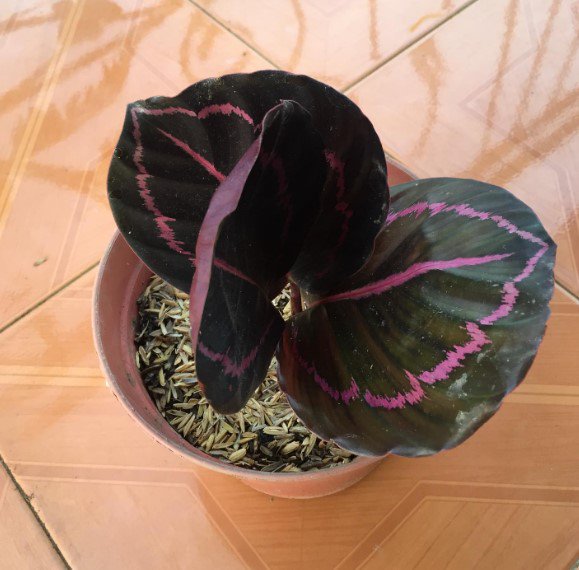
Calathea Roseo Picta Flower Plant Home Live Plant Rare Garden #MPS
Calathea plants are known for their striking foliage with bold patterns and vibrant colors. They require a bit more attention compared to some other houseplants, but with the right care, they can thrive indoors. Here’s how to care for Calathea:
1. **Light**: Calathea plants prefer bright, indirect light. They thrive in filtered light conditions and can tolerate lower light levels, but avoid direct sunlight, as it can cause the leaves to fade or develop brown spots. Place your Calathea near a north or east-facing window where it can receive gentle morning sunlight or use a sheer curtain to filter direct sunlight.
2. **Watering**: Keep the soil consistently moist but not waterlogged. Calatheas are sensitive to both overwatering and underwatering. Water thoroughly when the top inch or so of soil feels dry, ensuring that water drains freely from the pot. Use room temperature water to avoid shocking the roots. Reduce watering frequency in winter when growth slows down.
3. **Humidity**: Calatheas thrive in high humidity. They appreciate regular misting to increase humidity around the plant. Alternatively, use a humidity tray filled with water and pebbles, or place a small humidifier nearby to maintain adequate moisture levels. Dry air can cause leaf edges to brown.
4. **Temperature**: Calatheas prefer average to warm room temperatures between 65-80°F (18-27°C). They are sensitive to cold drafts and sudden temperature fluctuations, so avoid placing them near heaters, air conditioners, or drafty windows.
5. **Soil**: Use a well-draining, peat-based potting mix that retains some moisture. A mix formulated for tropical plants or orchids works well. Good drainage is essential to prevent waterlogging, which can lead to root rot.
6. **Fertilizing**: Feed Calatheas with a balanced, diluted liquid fertilizer every 4-6 weeks during the growing season (spring and summer). Reduce feeding in fall and winter when growth slows down. Avoid over-fertilizing, as this can lead to salt buildup in the soil and damage the plant.
7. **Pruning**: Remove yellow or dead leaves regularly to maintain the plant's appearance and health. Trim back any leggy or overgrown stems to encourage bushier growth. Use clean scissors or pruning shears to make cuts just above the leaf node.
8. **Repotting**: Calatheas may need repotting every 1-2 years, or when they outgrow their current pot. Choose a pot that is slightly larger than the current one and refresh the potting mix. Spring is typically the best time for repotting.
9. **Pests**: Keep an eye out for common houseplant pests such as spider mites, aphids, and mealybugs. Check the undersides of leaves regularly and treat any pest infestations promptly with insecticidal soap or neem oil.
10. **Cleaning**: Calathea leaves can accumulate dust over time, which can affect their ability to photosynthesize. Wipe the leaves gently with a damp cloth or sponge periodically to keep them clean and allow them to breathe.
By following these care tips, you can create optimal conditions for your Calathea to thrive and display its beautiful foliage. Each variety of Calathea may have slightly different care requirements, so observe your plant closely and adjust care practices accordingly. With proper attention to light, water, humidity, and temperature, your Calathea can become a stunning centerpiece in your indoor plant collection.
In the photo is not factual item...
The size live plant item depends on stock...
Thank you
Calathea plants are known for their striking foliage with bold patterns and vibrant colors. They require a bit more attention compared to some other houseplants, but with the right care, they can thrive indoors. Here’s how to care for Calathea:
1. **Light**: Calathea plants prefer bright, indirect light. They thrive in filtered light conditions and can tolerate lower light levels, but avoid direct sunlight, as it can cause the leaves to fade or develop brown spots. Place your Calathea near a north or east-facing window where it can receive gentle morning sunlight or use a sheer curtain to filter direct sunlight.
2. **Watering**: Keep the soil consistently moist but not waterlogged. Calatheas are sensitive to both overwatering and underwatering. Water thoroughly when the top inch or so of soil feels dry, ensuring that water drains freely from the pot. Use room temperature water to avoid shocking the roots. Reduce watering frequency in winter when growth slows down.
3. **Humidity**: Calatheas thrive in high humidity. They appreciate regular misting to increase humidity around the plant. Alternatively, use a humidity tray filled with water and pebbles, or place a small humidifier nearby to maintain adequate moisture levels. Dry air can cause leaf edges to brown.
4. **Temperature**: Calatheas prefer average to warm room temperatures between 65-80°F (18-27°C). They are sensitive to cold drafts and sudden temperature fluctuations, so avoid placing them near heaters, air conditioners, or drafty windows.
5. **Soil**: Use a well-draining, peat-based potting mix that retains some moisture. A mix formulated for tropical plants or orchids works well. Good drainage is essential to prevent waterlogging, which can lead to root rot.
6. **Fertilizing**: Feed Calatheas with a balanced, diluted liquid fertilizer every 4-6 weeks during the growing season (spring and summer). Reduce feeding in fall and winter when growth slows down. Avoid over-fertilizing, as this can lead to salt buildup in the soil and damage the plant.
7. **Pruning**: Remove yellow or dead leaves regularly to maintain the plant's appearance and health. Trim back any leggy or overgrown stems to encourage bushier growth. Use clean scissors or pruning shears to make cuts just above the leaf node.
8. **Repotting**: Calatheas may need repotting every 1-2 years, or when they outgrow their current pot. Choose a pot that is slightly larger than the current one and refresh the potting mix. Spring is typically the best time for repotting.
9. **Pests**: Keep an eye out for common houseplant pests such as spider mites, aphids, and mealybugs. Check the undersides of leaves regularly and treat any pest infestations promptly with insecticidal soap or neem oil.
10. **Cleaning**: Calathea leaves can accumulate dust over time, which can affect their ability to photosynthesize. Wipe the leaves gently with a damp cloth or sponge periodically to keep them clean and allow them to breathe.
By following these care tips, you can create optimal conditions for your Calathea to thrive and display its beautiful foliage. Each variety of Calathea may have slightly different care requirements, so observe your plant closely and adjust care practices accordingly. With proper attention to light, water, humidity, and temperature, your Calathea can become a stunning centerpiece in your indoor plant collection.
In the photo is not factual item...
The size live plant item depends on stock...
Thank you
You may also be interested in:
-
$13.01

-
$155.50
-
$22.21

-
$14.17

-
$22.21

-
$14.14

-
$14.70

-
$13.53

-
$22.21

-
$22.21



 ID, Jawa Timur
