
$100.30
On Hold
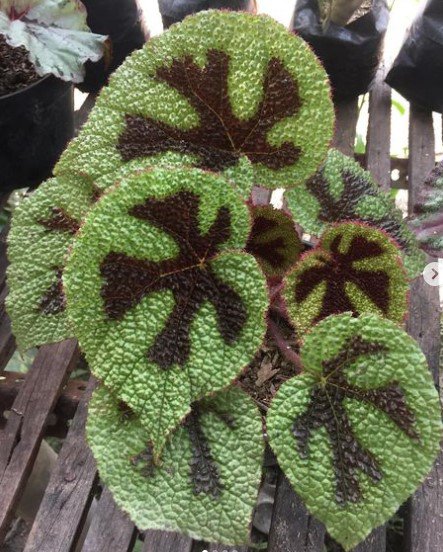
Begonia Masoniana 'Iron Cross' Flower Garden Plant Home Live Plant Rare Garden #MPS
Peperomia watermelon Flower Garden Plant Home Live Plant Rare Garden #MPS
Peperomia is a diverse genus of small, easy-to-care-for houseplants known for their ornamental foliage and compact growth habit. Here are some general tips on how to care for Peperomia plants:
1. **Light**: Peperomias prefer bright, indirect light. They can tolerate lower light conditions, but their growth may slow down. Avoid direct sunlight, as it can scorch the leaves. A north or east-facing window is ideal, or provide filtered light in a brighter location.
Begonia Masoniana 'Iron Cross' Flower Garden Plant Home Live Plant Rare Garden #MPS
Begonias are beautiful and diverse plants that can be grown both indoors and outdoors, depending on the variety. Here are general care tips for Begonias to help you keep them healthy and thriving:
1. **Light**: Begonias prefer bright, indirect light. They can tolerate some morning sun or filtered light, especially in cooler climates, but avoid direct sunlight, as it can scorch their leaves. In indoor settings, place them near east or west-facing windows where they can receive indirect light.
2. **Watering**: Begonias prefer evenly moist soil. Water thoroughly when the top inch or so of soil feels dry to the touch. Avoid letting the soil dry out completely, but also avoid waterlogging, which can cause root rot. Adjust watering frequency depending on environmental conditions and the specific needs of your Begonia variety.
3. **Humidity**: Begonias appreciate higher humidity levels, especially tropical varieties. Increase humidity by misting the leaves regularly, using a humidity tray with water and pebbles, or placing the plant in a room with a humidifier. This is particularly important in dry indoor environments.
4. **Temperature**: Begonias thrive in moderate temperatures ranging from 65-75°F (18-24°C). They are sensitive to cold drafts and temperature fluctuations, so avoid placing them near heaters, air conditioners, or drafty windows.
5. **Soil**: Use a well-draining potting mix rich in organic matter. A mix formulated for houseplants or African violets works well. Good drainage is crucial to prevent waterlogged soil, which can lead to root rot.
6. **Fertilizing**: Feed Begonias with a balanced, water-soluble fertilizer every 4-6 weeks during the growing season (spring and summer). Use a fertilizer specifically formulated for flowering plants or a general-purpose houseplant fertilizer. Reduce feeding in fall and winter when growth slows down.
7. **Pruning**: Regularly pinch or trim back leggy stems or spent flowers to promote bushy growth and encourage new blooms. Remove any yellow or dead leaves with clean scissors or pruning shears to maintain plant health and appearance.
8. **Repotting**: Repot Begonias annually or as needed, usually in spring or early summer. Choose a pot that is slightly larger than the current one and refresh the potting mix. Repotting helps refresh the soil, provides more room for root growth, and rejuvenates the plant.
9. **Pests**: Watch out for common pests such as aphids, spider mites, and mealybugs. Inspect your Begonias regularly for signs of pests and treat them promptly with insecticidal soap or neem oil if necessary. Quarantine any affected plants to prevent the spread of pests to other plants.
10. **Varieties**: Different Begonia varieties may have specific care requirements. For example, tuberous Begonias may require a period of dormancy in winter, while rex Begonias prefer higher humidity and indirect light. Research the specific needs of your Begonia variety for optimal care.
By following these care tips, you can enjoy healthy and vibrant Begonias whether they are grown indoors as houseplants or outdoors in garden beds or containers. Adjust care practices based on the specific variety and growing conditions to ensure your Begonias thrive.
In the photo is not factual item...
The size live plant item depends on stock...
Thank you
Peperomia is a diverse genus of small, easy-to-care-for houseplants known for their ornamental foliage and compact growth habit. Here are some general tips on how to care for Peperomia plants:
1. **Light**: Peperomias prefer bright, indirect light. They can tolerate lower light conditions, but their growth may slow down. Avoid direct sunlight, as it can scorch the leaves. A north or east-facing window is ideal, or provide filtered light in a brighter location.
Begonia Masoniana 'Iron Cross' Flower Garden Plant Home Live Plant Rare Garden #MPS
Begonias are beautiful and diverse plants that can be grown both indoors and outdoors, depending on the variety. Here are general care tips for Begonias to help you keep them healthy and thriving:
1. **Light**: Begonias prefer bright, indirect light. They can tolerate some morning sun or filtered light, especially in cooler climates, but avoid direct sunlight, as it can scorch their leaves. In indoor settings, place them near east or west-facing windows where they can receive indirect light.
2. **Watering**: Begonias prefer evenly moist soil. Water thoroughly when the top inch or so of soil feels dry to the touch. Avoid letting the soil dry out completely, but also avoid waterlogging, which can cause root rot. Adjust watering frequency depending on environmental conditions and the specific needs of your Begonia variety.
3. **Humidity**: Begonias appreciate higher humidity levels, especially tropical varieties. Increase humidity by misting the leaves regularly, using a humidity tray with water and pebbles, or placing the plant in a room with a humidifier. This is particularly important in dry indoor environments.
4. **Temperature**: Begonias thrive in moderate temperatures ranging from 65-75°F (18-24°C). They are sensitive to cold drafts and temperature fluctuations, so avoid placing them near heaters, air conditioners, or drafty windows.
5. **Soil**: Use a well-draining potting mix rich in organic matter. A mix formulated for houseplants or African violets works well. Good drainage is crucial to prevent waterlogged soil, which can lead to root rot.
6. **Fertilizing**: Feed Begonias with a balanced, water-soluble fertilizer every 4-6 weeks during the growing season (spring and summer). Use a fertilizer specifically formulated for flowering plants or a general-purpose houseplant fertilizer. Reduce feeding in fall and winter when growth slows down.
7. **Pruning**: Regularly pinch or trim back leggy stems or spent flowers to promote bushy growth and encourage new blooms. Remove any yellow or dead leaves with clean scissors or pruning shears to maintain plant health and appearance.
8. **Repotting**: Repot Begonias annually or as needed, usually in spring or early summer. Choose a pot that is slightly larger than the current one and refresh the potting mix. Repotting helps refresh the soil, provides more room for root growth, and rejuvenates the plant.
9. **Pests**: Watch out for common pests such as aphids, spider mites, and mealybugs. Inspect your Begonias regularly for signs of pests and treat them promptly with insecticidal soap or neem oil if necessary. Quarantine any affected plants to prevent the spread of pests to other plants.
10. **Varieties**: Different Begonia varieties may have specific care requirements. For example, tuberous Begonias may require a period of dormancy in winter, while rex Begonias prefer higher humidity and indirect light. Research the specific needs of your Begonia variety for optimal care.
By following these care tips, you can enjoy healthy and vibrant Begonias whether they are grown indoors as houseplants or outdoors in garden beds or containers. Adjust care practices based on the specific variety and growing conditions to ensure your Begonias thrive.
In the photo is not factual item...
The size live plant item depends on stock...
Thank you
You may also be interested in:
-
$7.37
-
$5.85
-
$5.85

-
$5.14
-
$9.83
-
$5.85
-
$6.43
-
$6.99
-
$5.76
-
$9.33


 ID, Jawa Timur
