
$97.92
On Hold
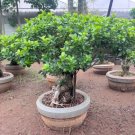
THUJA Occidentalis Tree Garden Plant Home Live Plant Rare Garden #MPS
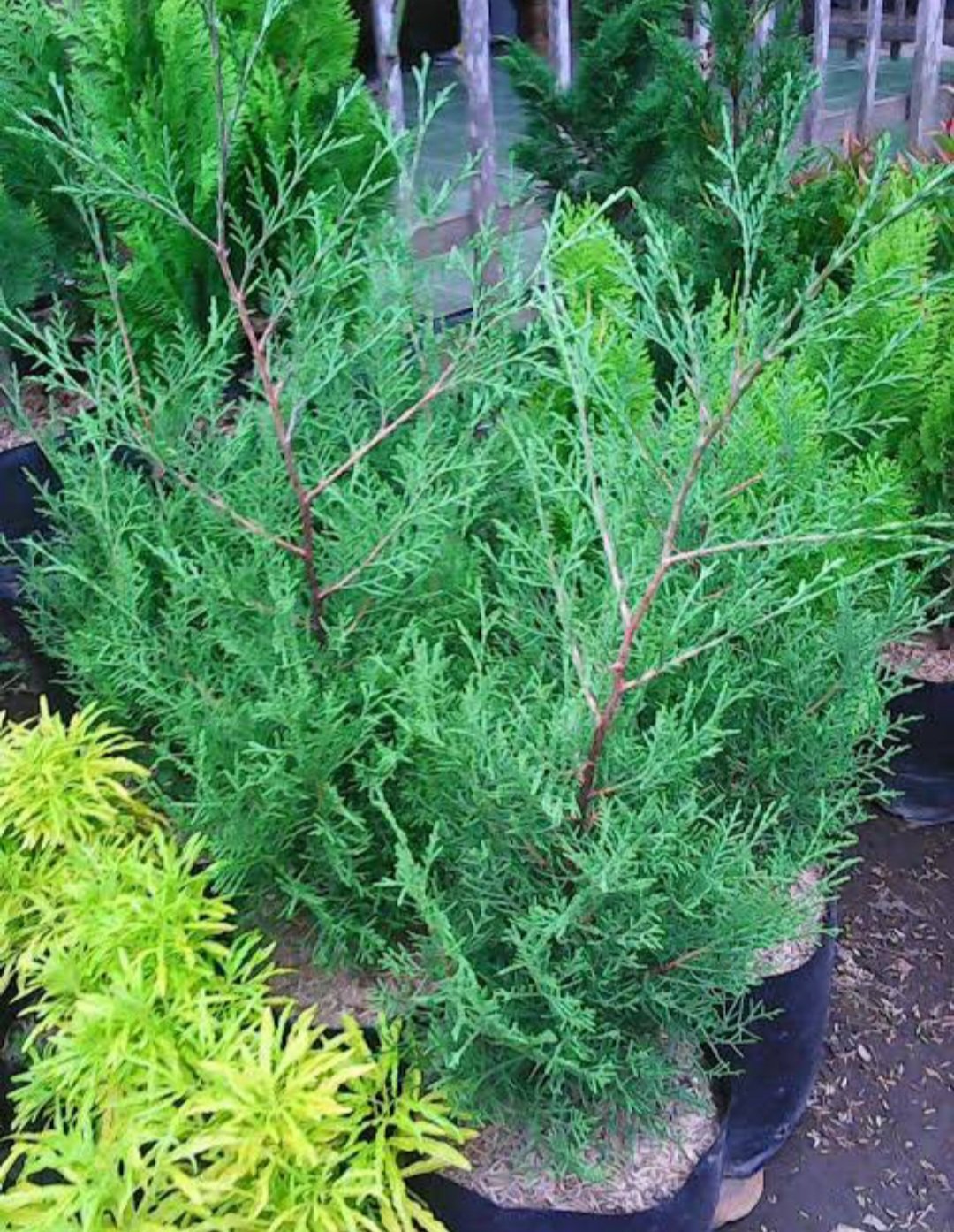
THUJA Occidentalis Tree Garden Plant Home Live Plant Rare Garden #MPS
Thuja, commonly known as arborvitae or cedar, are popular evergreen shrubs or trees known for their conical shape and dense foliage. Here are some general tips on how to care for Thuja plants:
1. **Light**: Thuja plants prefer full sun to part shade. They can tolerate some shade, especially in hotter climates, but full sun exposure generally results in better growth and density of foliage.
2. **Watering**: Water newly planted Thuja regularly to establish a deep, extensive root system. Once established, Thuja are fairly drought-tolerant but benefit from regular watering during dry periods, especially in the first few years after planting. Water deeply rather than shallowly to encourage deep root growth.
3. **Soil**: Thuja plants prefer moist, well-draining soil. They are adaptable to various soil types, including sandy or clay soils, as long as the soil drains well. Adding organic matter such as compost to the soil at planting can improve drainage and soil fertility.
4. **Fertilizing**: Arborvitae generally do not require heavy fertilization. A balanced, slow-release fertilizer applied in spring can help promote healthy growth. Follow the manufacturer's recommendations for application rates.
5. **Pruning**: Pruning Thuja plants is generally not necessary for their health but can be done for aesthetic purposes or to maintain a desired shape. If pruning, do so in late winter or early spring before new growth begins.
6. **Mulching**: Apply a layer of mulch around the base of Thuja plants to help retain soil moisture, regulate soil temperature, and suppress weeds. Keep mulch a few inches away from the trunk to prevent rot.
7. **Winter Protection**: In colder climates, Thuja may benefit from some winter protection, especially when young. This can include wrapping the plants in burlap to protect from harsh winds and applying an anti-desiccant spray to reduce moisture loss through the foliage.
8. **Pests and Diseases**: Thuja are relatively resistant to pests and diseases, but they can occasionally be affected by issues such as bagworms, spider mites, or fungal diseases. Monitor your plants regularly and treat any problems promptly with appropriate insecticides or fungicides.
9. **Transplanting**: If you need to transplant Thuja, do so in early spring or late fall when the plant is dormant. Water the plant well before digging it up, and try to disturb the root ball as little as possible during transplanting.
10. **Spacing**: When planting Thuja, space them according to their mature width to allow for proper air circulation and growth. This will help prevent overcrowding and potential disease issues.
By following these care tips, you can help your Thuja plants thrive and provide attractive, dense greenery in your landscape or garden.
In the photo is not factual item...
The size live plant item depends on stock...
Thank you
Thuja, commonly known as arborvitae or cedar, are popular evergreen shrubs or trees known for their conical shape and dense foliage. Here are some general tips on how to care for Thuja plants:
1. **Light**: Thuja plants prefer full sun to part shade. They can tolerate some shade, especially in hotter climates, but full sun exposure generally results in better growth and density of foliage.
2. **Watering**: Water newly planted Thuja regularly to establish a deep, extensive root system. Once established, Thuja are fairly drought-tolerant but benefit from regular watering during dry periods, especially in the first few years after planting. Water deeply rather than shallowly to encourage deep root growth.
3. **Soil**: Thuja plants prefer moist, well-draining soil. They are adaptable to various soil types, including sandy or clay soils, as long as the soil drains well. Adding organic matter such as compost to the soil at planting can improve drainage and soil fertility.
4. **Fertilizing**: Arborvitae generally do not require heavy fertilization. A balanced, slow-release fertilizer applied in spring can help promote healthy growth. Follow the manufacturer's recommendations for application rates.
5. **Pruning**: Pruning Thuja plants is generally not necessary for their health but can be done for aesthetic purposes or to maintain a desired shape. If pruning, do so in late winter or early spring before new growth begins.
6. **Mulching**: Apply a layer of mulch around the base of Thuja plants to help retain soil moisture, regulate soil temperature, and suppress weeds. Keep mulch a few inches away from the trunk to prevent rot.
7. **Winter Protection**: In colder climates, Thuja may benefit from some winter protection, especially when young. This can include wrapping the plants in burlap to protect from harsh winds and applying an anti-desiccant spray to reduce moisture loss through the foliage.
8. **Pests and Diseases**: Thuja are relatively resistant to pests and diseases, but they can occasionally be affected by issues such as bagworms, spider mites, or fungal diseases. Monitor your plants regularly and treat any problems promptly with appropriate insecticides or fungicides.
9. **Transplanting**: If you need to transplant Thuja, do so in early spring or late fall when the plant is dormant. Water the plant well before digging it up, and try to disturb the root ball as little as possible during transplanting.
10. **Spacing**: When planting Thuja, space them according to their mature width to allow for proper air circulation and growth. This will help prevent overcrowding and potential disease issues.
By following these care tips, you can help your Thuja plants thrive and provide attractive, dense greenery in your landscape or garden.
In the photo is not factual item...
The size live plant item depends on stock...
Thank you
You may also be interested in:
-
$222.50

-
$11.46
-
$127.90

-
$13.84
-
$12.47
-
$8.24
-
$6.84

-
$255.50

-
$67.78
-
$19.00


 ID, Jawa Timur
