
$45.84
Add to Cart
Alocasia Baginda dragon scale Flower Houseplant Plant Rare - Home Garden Plant EBER
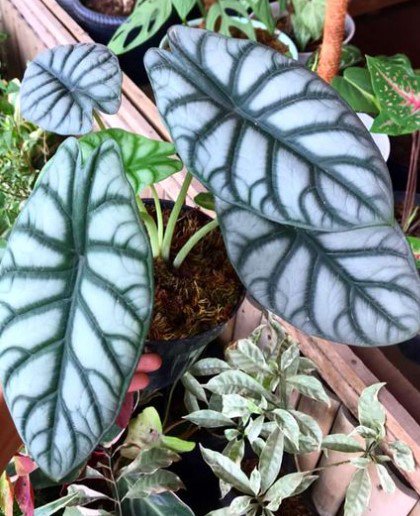
Alocasia Baginda dragon scale Flower Houseplant Plant Rare - Home Garden Plant EBER
Alocasia plants, also known as elephant ears or African mask plants, are prized for their large, dramatic leaves and exotic appearance. Caring for Alocasia involves attention to specific environmental conditions and regular maintenance. Here are some essential care tips for Alocasia:
1. **Light**: Alocasia plants prefer bright, indirect light. They thrive in locations with filtered sunlight or partial shade. Avoid direct sunlight, especially intense afternoon sun, as it can scorch their leaves. Insufficient light can result in stunted growth or smaller leaves.
2. **Watering**: Alocasia prefer consistently moist soil, but they are susceptible to root rot if overwatered. Water thoroughly when the top inch or two of soil feels dry to the touch. Ensure that excess water drains freely from the bottom of the pot. Reduce watering in the winter when growth slows down.
3. **Humidity**: Alocasia plants prefer high humidity. You can increase humidity by misting the leaves regularly, using a humidity tray filled with water and pebbles beneath the pot, or placing the plant in a room with a humidifier. They appreciate humidity levels above 50%, but they can adapt to average indoor humidity levels.
4. **Temperature**: Alocasia plants prefer temperatures between 18-25°C (65-80°F) during the day and slightly cooler temperatures at night. They are sensitive to cold drafts and temperatures below 15°C (59°F). Avoid placing them near air conditioning vents or drafty windows during colder months.
5. **Soil**: Use a well-draining potting mix that retains some moisture but allows excess water to drain freely. A mix formulated for aroids (such as aroids or tropical plants) works well. A combination of peat moss, perlite, and/or composted bark is also suitable. Ensure the pot has drainage holes to prevent waterlogging.
6. **Fertilizing**: Feed Alocasia plants with a balanced liquid fertilizer diluted to half-strength every 4-6 weeks during the growing season (spring and summer). Reduce feeding in fall and winter when growth slows down. Avoid over-fertilizing, as it can cause salt build-up in the soil.
7. **Potting**: Repot Alocasia plants every 1-2 years or when the roots outgrow the pot. Choose a slightly larger pot and refresh the soil mix. Gently loosen any compacted roots before repotting.
8. **Pruning**: Remove yellow or dead leaves regularly to maintain plant health and appearance. Pruning can also help control the size and shape of the plant.
9. **Propagation**: Alocasia plants can be propagated through division or by stem cuttings. Division is best done during repotting, separating the plant into smaller sections with roots attached. Stem cuttings can be rooted in water or directly in moist potting mix.
10. **Pests**: Monitor your Alocasia for common houseplant pests such as spider mites, aphids, and mealybugs. Treat any infestations promptly with insecticidal soap or neem oil, ensuring to cover both sides of the leaves thoroughly.
By following these care tips, you can help your Alocasia plant thrive and display its impressive foliage in your indoor space. With proper care and attention to its specific needs, Alocasia can be a stunning addition to your indoor plant collection.
For sizes according to existing stock, please message me for the size you want. Thank you
Alocasia plants, also known as elephant ears or African mask plants, are prized for their large, dramatic leaves and exotic appearance. Caring for Alocasia involves attention to specific environmental conditions and regular maintenance. Here are some essential care tips for Alocasia:
1. **Light**: Alocasia plants prefer bright, indirect light. They thrive in locations with filtered sunlight or partial shade. Avoid direct sunlight, especially intense afternoon sun, as it can scorch their leaves. Insufficient light can result in stunted growth or smaller leaves.
2. **Watering**: Alocasia prefer consistently moist soil, but they are susceptible to root rot if overwatered. Water thoroughly when the top inch or two of soil feels dry to the touch. Ensure that excess water drains freely from the bottom of the pot. Reduce watering in the winter when growth slows down.
3. **Humidity**: Alocasia plants prefer high humidity. You can increase humidity by misting the leaves regularly, using a humidity tray filled with water and pebbles beneath the pot, or placing the plant in a room with a humidifier. They appreciate humidity levels above 50%, but they can adapt to average indoor humidity levels.
4. **Temperature**: Alocasia plants prefer temperatures between 18-25°C (65-80°F) during the day and slightly cooler temperatures at night. They are sensitive to cold drafts and temperatures below 15°C (59°F). Avoid placing them near air conditioning vents or drafty windows during colder months.
5. **Soil**: Use a well-draining potting mix that retains some moisture but allows excess water to drain freely. A mix formulated for aroids (such as aroids or tropical plants) works well. A combination of peat moss, perlite, and/or composted bark is also suitable. Ensure the pot has drainage holes to prevent waterlogging.
6. **Fertilizing**: Feed Alocasia plants with a balanced liquid fertilizer diluted to half-strength every 4-6 weeks during the growing season (spring and summer). Reduce feeding in fall and winter when growth slows down. Avoid over-fertilizing, as it can cause salt build-up in the soil.
7. **Potting**: Repot Alocasia plants every 1-2 years or when the roots outgrow the pot. Choose a slightly larger pot and refresh the soil mix. Gently loosen any compacted roots before repotting.
8. **Pruning**: Remove yellow or dead leaves regularly to maintain plant health and appearance. Pruning can also help control the size and shape of the plant.
9. **Propagation**: Alocasia plants can be propagated through division or by stem cuttings. Division is best done during repotting, separating the plant into smaller sections with roots attached. Stem cuttings can be rooted in water or directly in moist potting mix.
10. **Pests**: Monitor your Alocasia for common houseplant pests such as spider mites, aphids, and mealybugs. Treat any infestations promptly with insecticidal soap or neem oil, ensuring to cover both sides of the leaves thoroughly.
By following these care tips, you can help your Alocasia plant thrive and display its impressive foliage in your indoor space. With proper care and attention to its specific needs, Alocasia can be a stunning addition to your indoor plant collection.
For sizes according to existing stock, please message me for the size you want. Thank you


 ID, yogyakarta
