
$97.57
On Hold
Live Plant Alocasia Polly African Mask Plant Flower Houseplant Rare Garden Home Garden #MPS
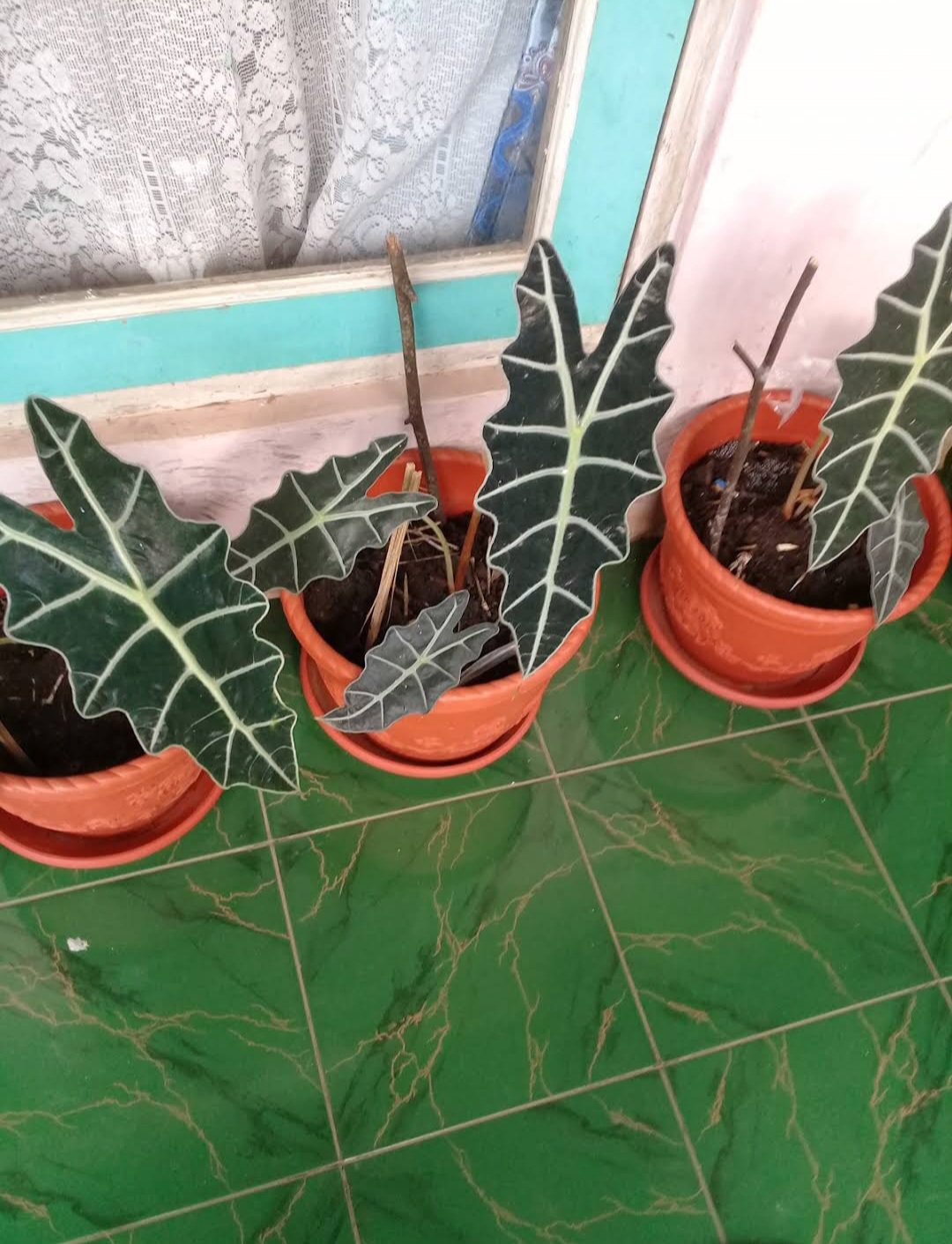


Live Plant Alocasia Polly African Mask Plant Flower Houseplant Rare Garden Home Garden #MPS
Alocasia, commonly known as elephant ear or taro, are beautiful tropical plants known for their large, broad leaves and striking appearance. Here are some general care tips for Alocasia:
Light: Alocasia prefers bright, indirect light. Avoid direct sunlight as it can scorch the leaves. Place your plant near a window where it can receive filtered sunlight or in a well-lit room.
Temperature: These plants thrive in warm temperatures between 65°F to 80°F (18°C to 27°C). They are sensitive to cold drafts, so keep them away from windows or doors that may expose them to chilly air.
Humidity: Alocasias prefer high humidity. Mist the leaves regularly or use a humidifier to maintain humidity levels around 60-80%. You can also place the pot on a tray filled with pebbles and water to increase humidity.
Watering: Keep the soil evenly moist but not waterlogged. Water thoroughly when the top inch of soil feels dry, allowing excess water to drain away from the pot. Overwatering can lead to root rot, so make sure the pot has drainage holes and empty the saucer beneath the pot after watering.
Soil: A well-draining potting mix rich in organic matter is ideal for Alocasia. You can use a mix of peat moss, perlite, and orchid bark to ensure good drainage.
Fertilizing: Feed your Alocasia with a balanced liquid fertilizer diluted to half strength every 2-4 weeks during the growing season (spring and summer). Reduce fertilization or stop altogether during the dormant winter months.
Potting: Repot your Alocasia every 1-2 years or when it becomes root-bound. Choose a pot that is one size larger than the current one and use fresh potting mix.
Pruning: Remove any yellowing or damaged leaves by cutting them off at the base with clean, sharp scissors or pruning shears. This helps maintain the plant's health and appearance.
Pests and Diseases: Keep an eye out for common pests such as aphids, spider mites, and mealybugs. If you notice any signs of infestation, gently wash the leaves with a mild soap solution or use neem oil to control pests. Prevent fungal diseases by avoiding overwatering and providing good air circulation around the plant.
Winter Care: Alocasia plants may go dormant or experience slower growth during the winter months. Reduce watering and avoid fertilizing during this time. If your home gets too cold, consider moving the plant to a warmer location or using a space heater to maintain a consistent temperature.
By following these care tips, you can help your Alocasia thrive and enjoy its stunning foliage year-round.
In the photo is not factual item...
The size live plant item depends on stock...
Thank you
Alocasia, commonly known as elephant ear or taro, are beautiful tropical plants known for their large, broad leaves and striking appearance. Here are some general care tips for Alocasia:
Light: Alocasia prefers bright, indirect light. Avoid direct sunlight as it can scorch the leaves. Place your plant near a window where it can receive filtered sunlight or in a well-lit room.
Temperature: These plants thrive in warm temperatures between 65°F to 80°F (18°C to 27°C). They are sensitive to cold drafts, so keep them away from windows or doors that may expose them to chilly air.
Humidity: Alocasias prefer high humidity. Mist the leaves regularly or use a humidifier to maintain humidity levels around 60-80%. You can also place the pot on a tray filled with pebbles and water to increase humidity.
Watering: Keep the soil evenly moist but not waterlogged. Water thoroughly when the top inch of soil feels dry, allowing excess water to drain away from the pot. Overwatering can lead to root rot, so make sure the pot has drainage holes and empty the saucer beneath the pot after watering.
Soil: A well-draining potting mix rich in organic matter is ideal for Alocasia. You can use a mix of peat moss, perlite, and orchid bark to ensure good drainage.
Fertilizing: Feed your Alocasia with a balanced liquid fertilizer diluted to half strength every 2-4 weeks during the growing season (spring and summer). Reduce fertilization or stop altogether during the dormant winter months.
Potting: Repot your Alocasia every 1-2 years or when it becomes root-bound. Choose a pot that is one size larger than the current one and use fresh potting mix.
Pruning: Remove any yellowing or damaged leaves by cutting them off at the base with clean, sharp scissors or pruning shears. This helps maintain the plant's health and appearance.
Pests and Diseases: Keep an eye out for common pests such as aphids, spider mites, and mealybugs. If you notice any signs of infestation, gently wash the leaves with a mild soap solution or use neem oil to control pests. Prevent fungal diseases by avoiding overwatering and providing good air circulation around the plant.
Winter Care: Alocasia plants may go dormant or experience slower growth during the winter months. Reduce watering and avoid fertilizing during this time. If your home gets too cold, consider moving the plant to a warmer location or using a space heater to maintain a consistent temperature.
By following these care tips, you can help your Alocasia thrive and enjoy its stunning foliage year-round.
In the photo is not factual item...
The size live plant item depends on stock...
Thank you
You may also be interested in:
-
$16.05
-
$12.45
-
$7.08

-
$5.69
-
$12.53
-
$15.34
-
$11.98
-
$49.90
-
$16.73

-
$16.12


 ID, Jawa Timur
