
$33.56
Add to Cart
2 Bulbs Gingerland Caladium Flower Home Rare Live Plant - Plant for Your Home Garden
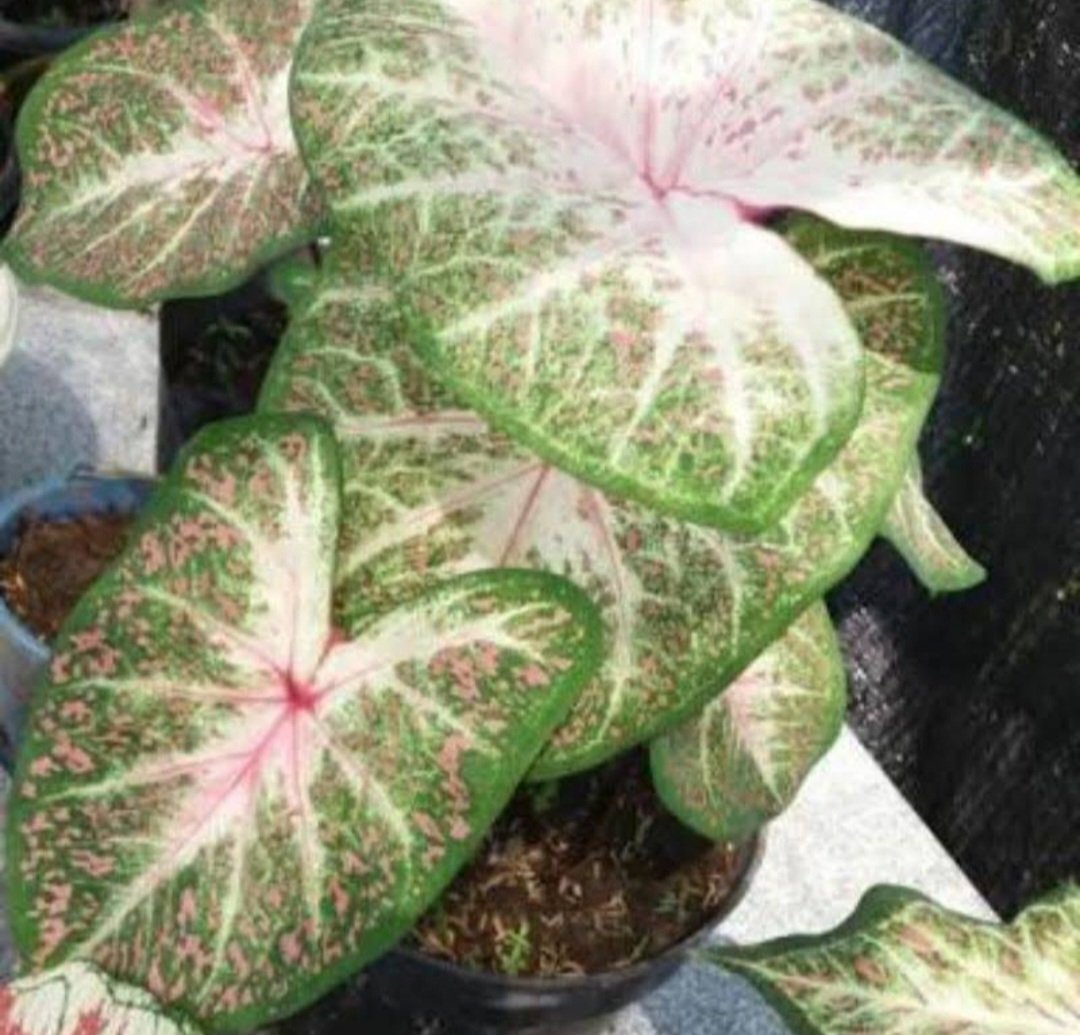
2 Bulbs Gingerland Caladium Flower Home Rare Live Plant - Plant for Your Home Garden
Caladiums are beautiful tropical plants known for their colorful and often patterned leaves. Here's how to grow and care for Caladiums:
Light: Caladiums prefer bright, indirect light or partial shade. Avoid exposing them to direct sunlight, especially during the hottest parts of the day, as it can scorch their leaves. Indoors, place them near a window where they can receive filtered sunlight.
Temperature: Caladiums thrive in warm temperatures between 65°F and 85°F (18°C to 29°C). They are sensitive to cold and should be protected from temperatures below 55°F (13°C).
Soil: Plant Caladium bulbs in well-draining soil rich in organic matter. A soil mix containing peat moss, perlite, and compost works well. Caladiums prefer slightly acidic to neutral soil with a pH between 5.5 and 6.5.
Watering: Keep the soil consistently moist but not waterlogged. Water Caladiums thoroughly when the top inch (2.5 cm) of soil feels dry to the touch. Avoid letting the soil dry out completely, as it can cause the leaves to wilt. However, overwatering can lead to root rot, so be cautious.
Humidity: Caladiums thrive in high humidity. Increase humidity around the plants by misting the foliage regularly or placing them on a tray filled with pebbles and water. Avoid placing them near drafts or air conditioning vents, as dry air can cause the leaves to dry out.
Fertilizing: Feed Caladiums with a balanced liquid fertilizer every 4-6 weeks during the growing season (spring and summer). Follow the manufacturer's instructions for dilution and application. Reduce or stop fertilizing in the fall and winter when growth slows down.
Planting: Plant Caladium bulbs with the knobby side facing up, about 2 inches (5 cm) deep in the soil. Space the bulbs 8-12 inches (20-30 cm) apart to allow for proper growth and spread. Plant them in containers or in garden beds, depending on your preference.
Mulching: Apply a layer of organic mulch, such as shredded bark or compost, around Caladium plants to help retain soil moisture and suppress weeds. Mulching also helps to regulate soil temperature.
Pruning and Deadheading: Remove any dead or yellowing leaves as needed to maintain the plant's appearance and encourage new growth. Deadhead faded flowers to promote continuous blooming, although Caladiums are primarily grown for their foliage rather than flowers.
Overwintering: In colder climates, dig up Caladium bulbs before the first frost in fall. Allow the bulbs to dry out for a few days, then store them in a cool, dry place for the winter. Replant them in the spring after the danger of frost has passed.
By following these tips, you can grow vibrant and healthy Caladiums to add color and beauty to your garden or indoor space.
In the photo is not factual item...
The size live plant item depends on stock...
Thank you
Caladiums are beautiful tropical plants known for their colorful and often patterned leaves. Here's how to grow and care for Caladiums:
Light: Caladiums prefer bright, indirect light or partial shade. Avoid exposing them to direct sunlight, especially during the hottest parts of the day, as it can scorch their leaves. Indoors, place them near a window where they can receive filtered sunlight.
Temperature: Caladiums thrive in warm temperatures between 65°F and 85°F (18°C to 29°C). They are sensitive to cold and should be protected from temperatures below 55°F (13°C).
Soil: Plant Caladium bulbs in well-draining soil rich in organic matter. A soil mix containing peat moss, perlite, and compost works well. Caladiums prefer slightly acidic to neutral soil with a pH between 5.5 and 6.5.
Watering: Keep the soil consistently moist but not waterlogged. Water Caladiums thoroughly when the top inch (2.5 cm) of soil feels dry to the touch. Avoid letting the soil dry out completely, as it can cause the leaves to wilt. However, overwatering can lead to root rot, so be cautious.
Humidity: Caladiums thrive in high humidity. Increase humidity around the plants by misting the foliage regularly or placing them on a tray filled with pebbles and water. Avoid placing them near drafts or air conditioning vents, as dry air can cause the leaves to dry out.
Fertilizing: Feed Caladiums with a balanced liquid fertilizer every 4-6 weeks during the growing season (spring and summer). Follow the manufacturer's instructions for dilution and application. Reduce or stop fertilizing in the fall and winter when growth slows down.
Planting: Plant Caladium bulbs with the knobby side facing up, about 2 inches (5 cm) deep in the soil. Space the bulbs 8-12 inches (20-30 cm) apart to allow for proper growth and spread. Plant them in containers or in garden beds, depending on your preference.
Mulching: Apply a layer of organic mulch, such as shredded bark or compost, around Caladium plants to help retain soil moisture and suppress weeds. Mulching also helps to regulate soil temperature.
Pruning and Deadheading: Remove any dead or yellowing leaves as needed to maintain the plant's appearance and encourage new growth. Deadhead faded flowers to promote continuous blooming, although Caladiums are primarily grown for their foliage rather than flowers.
Overwintering: In colder climates, dig up Caladium bulbs before the first frost in fall. Allow the bulbs to dry out for a few days, then store them in a cool, dry place for the winter. Replant them in the spring after the danger of frost has passed.
By following these tips, you can grow vibrant and healthy Caladiums to add color and beauty to your garden or indoor space.
In the photo is not factual item...
The size live plant item depends on stock...
Thank you
You may also be interested in:
-
$1,601.86
-
$118.62
-
$768.51

-
$841.99
-
$1,922.79
-
$265.81

-
$1,538.90

-
$394.22

-
$247.62

-
$51.69


 ID, yogyakarta
