
$71.64
Add to Cart
Bromeliad, Lucky Stripe Variegated Flower Home Rare Live Plant - Plant for Your Home Garden
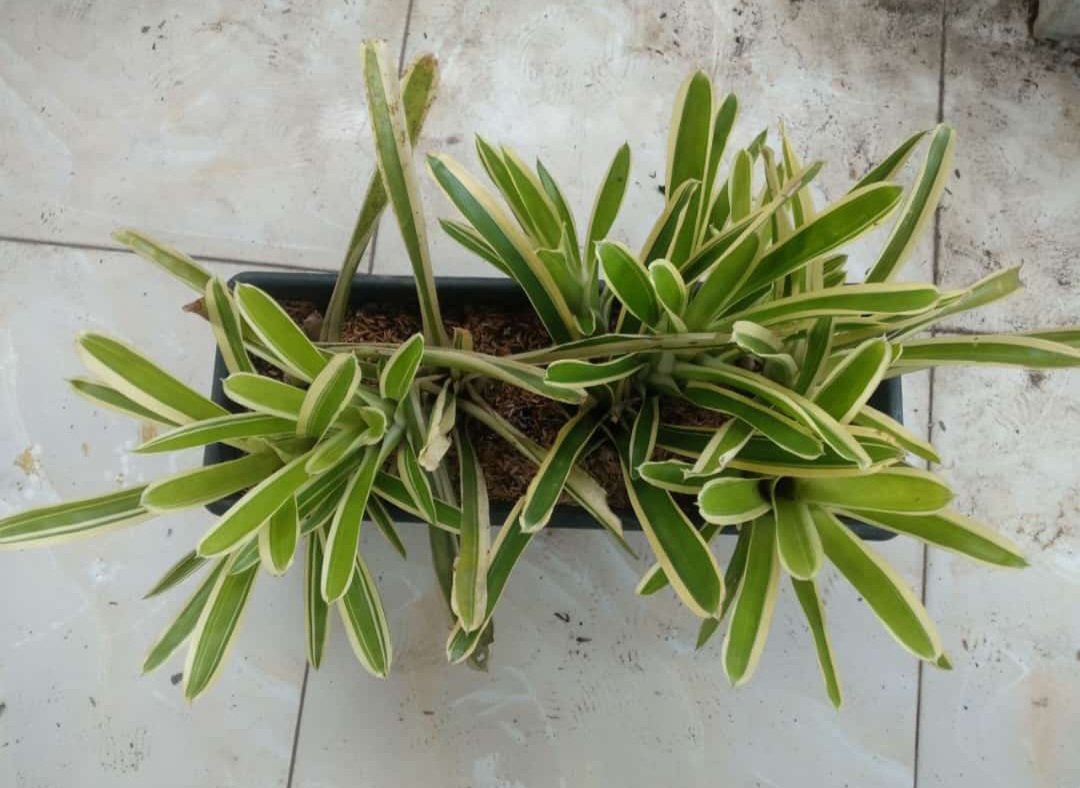
Bromeliad, Lucky Stripe Variegated Flower Home Rare Live Plant - Plant for Your Home Garden
Bromeliads are tropical plants known for their vibrant foliage and unique flowers. Here's how to care for bromeliads:
Light: Bromeliads prefer bright, indirect light. Place them near a window where they can receive filtered sunlight. Some varieties can tolerate low light conditions, but they may not flower as readily.
Watering: Water bromeliads by pouring water into the central cup (also known as the "vase") formed by the plant's leaves. Keep the central cup filled with water and change it regularly to prevent stagnation. Additionally, water the soil around the base of the plant, ensuring it remains evenly moist but not waterlogged. Allow the soil to dry out slightly between waterings, especially during the winter months when growth slows down.
Humidity: Bromeliads prefer humid conditions. Increase humidity around the plant by misting the foliage regularly or placing the pot on a tray filled with pebbles and water (ensure the pot is not sitting in the water). Alternatively, you can use a humidifier to maintain humidity levels.
Temperature: Bromeliads thrive in temperatures between 60°F and 80°F (15°C to 27°C). Avoid exposing them to temperatures below 50°F (10°C), as they are sensitive to cold.
Soil: Plant bromeliads in well-draining soil or a potting mix specifically formulated for epiphytic plants. They can also be mounted on pieces of wood or bark if desired.
Fertilizing: Bromeliads are relatively low-maintenance when it comes to fertilizing. Use a diluted, balanced fertilizer (e.g., 10-10-10) applied to the soil or misted onto the foliage once a month during the growing season (spring and summer). Avoid fertilizing during the winter months or when the plant is not actively growing.
Potting: Repot bromeliads only when necessary, typically when they outgrow their current container. Use a pot that allows for good drainage, and avoid planting them too deeply in the soil. Bromeliads are shallow-rooted plants.
Flowering: Bromeliads produce colorful flowers that can last for several weeks to months. After flowering, the mother plant may produce offsets (also known as "pups") at the base. These can be separated and planted to propagate new plants.
Pruning: Remove spent flowers and dead or yellowing leaves as needed to maintain the plant's appearance and prevent rot.
Pests and Diseases: Bromeliads are relatively pest-resistant, but they can occasionally attract aphids, scale insects, or mealybugs. Inspect the plant regularly for signs of pests and treat them with insecticidal soap or neem oil if necessary. Watch for signs of fungal diseases such as root rot and treat them promptly.
With proper care, bromeliads can thrive indoors as colorful and exotic additions to your home or garden.
In the photo is not factual item...
The size live plant item depends on stock...
Thank you
Bromeliads are tropical plants known for their vibrant foliage and unique flowers. Here's how to care for bromeliads:
Light: Bromeliads prefer bright, indirect light. Place them near a window where they can receive filtered sunlight. Some varieties can tolerate low light conditions, but they may not flower as readily.
Watering: Water bromeliads by pouring water into the central cup (also known as the "vase") formed by the plant's leaves. Keep the central cup filled with water and change it regularly to prevent stagnation. Additionally, water the soil around the base of the plant, ensuring it remains evenly moist but not waterlogged. Allow the soil to dry out slightly between waterings, especially during the winter months when growth slows down.
Humidity: Bromeliads prefer humid conditions. Increase humidity around the plant by misting the foliage regularly or placing the pot on a tray filled with pebbles and water (ensure the pot is not sitting in the water). Alternatively, you can use a humidifier to maintain humidity levels.
Temperature: Bromeliads thrive in temperatures between 60°F and 80°F (15°C to 27°C). Avoid exposing them to temperatures below 50°F (10°C), as they are sensitive to cold.
Soil: Plant bromeliads in well-draining soil or a potting mix specifically formulated for epiphytic plants. They can also be mounted on pieces of wood or bark if desired.
Fertilizing: Bromeliads are relatively low-maintenance when it comes to fertilizing. Use a diluted, balanced fertilizer (e.g., 10-10-10) applied to the soil or misted onto the foliage once a month during the growing season (spring and summer). Avoid fertilizing during the winter months or when the plant is not actively growing.
Potting: Repot bromeliads only when necessary, typically when they outgrow their current container. Use a pot that allows for good drainage, and avoid planting them too deeply in the soil. Bromeliads are shallow-rooted plants.
Flowering: Bromeliads produce colorful flowers that can last for several weeks to months. After flowering, the mother plant may produce offsets (also known as "pups") at the base. These can be separated and planted to propagate new plants.
Pruning: Remove spent flowers and dead or yellowing leaves as needed to maintain the plant's appearance and prevent rot.
Pests and Diseases: Bromeliads are relatively pest-resistant, but they can occasionally attract aphids, scale insects, or mealybugs. Inspect the plant regularly for signs of pests and treat them with insecticidal soap or neem oil if necessary. Watch for signs of fungal diseases such as root rot and treat them promptly.
With proper care, bromeliads can thrive indoors as colorful and exotic additions to your home or garden.
In the photo is not factual item...
The size live plant item depends on stock...
Thank you
You may also be interested in:
-
$7.15

-
$8.96
-
$7.28
-
$8.58

-
$7.52

-
$12.80
-
$10.59
-
$13.46
-
$5.85
-
$88.90


 ID, yogyakarta
