
$272.26
On Hold
Live Plant Rare Anthurium Luxurians Plant Beautiful Flower Plant FREESHIPPING
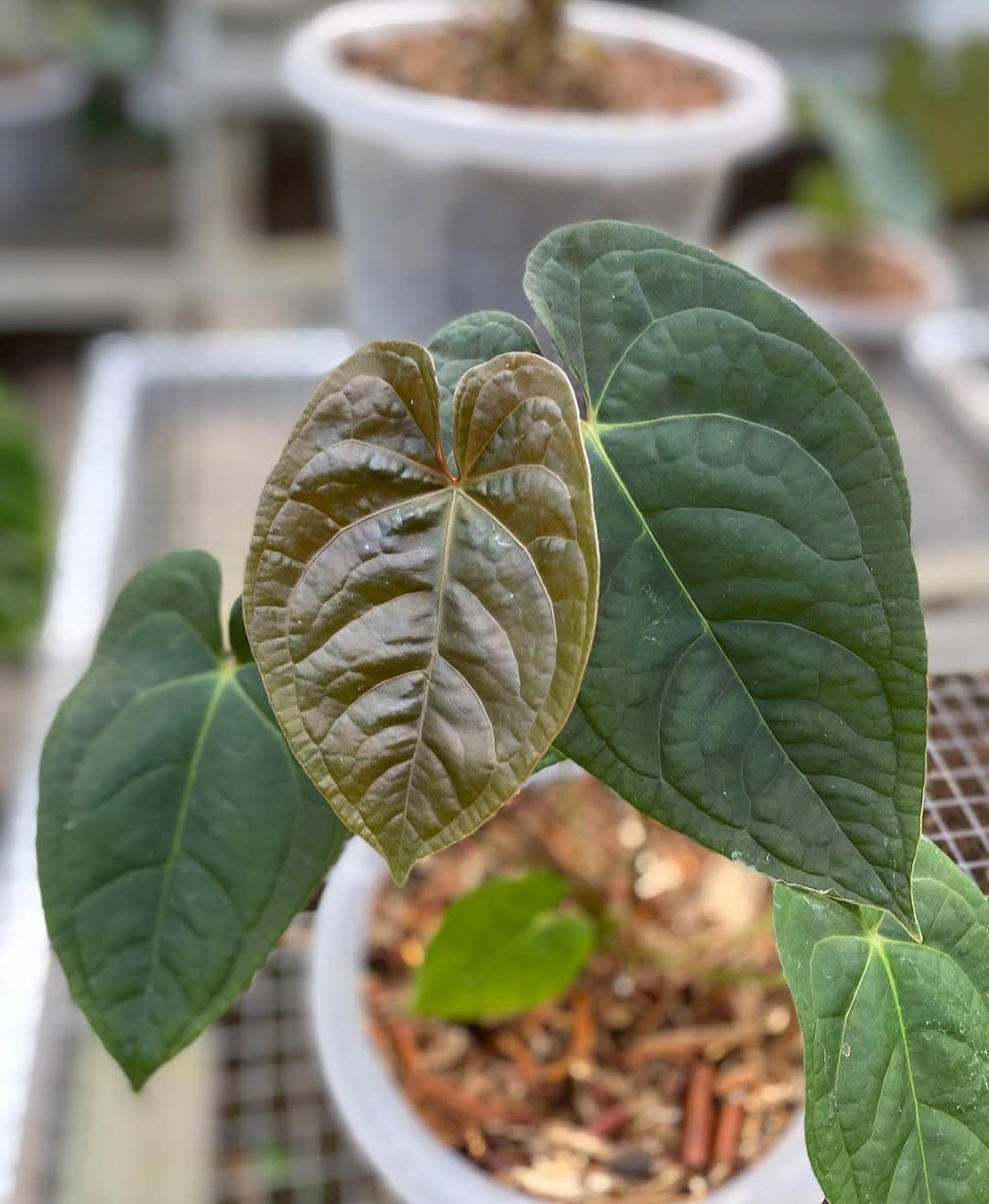
Live Plant Rare Anthurium Luxurians Plant Beautiful Flower Plant FREESHIPPING
Anthuriums are beautiful tropical plants known for their glossy foliage and long-lasting, colorful flowers. Here's a guide on how to grow Anthuriums:
Light: Anthuriums prefer bright, indirect light. They can tolerate some direct sunlight, especially morning sunlight, but too much direct sun can scorch their leaves. Indoors, place them near a window where they can receive plenty of filtered sunlight. Outdoors, grow them in shaded or partially shaded areas.
Temperature: Anthuriums thrive in temperatures between 65°F to 80°F (18°C to 27°C). They are sensitive to cold temperatures and should be protected from frost. If growing them outdoors in cooler climates, bring them indoors before the first frost.
Humidity: Anthuriums prefer high humidity environments. Maintain humidity levels between 60% to 80% by misting the leaves regularly, using a humidifier, or placing the plant on a humidity tray filled with water and pebbles. Grouping plants together can also help create a more humid microclimate.
Soil: Plant Anthuriums in a well-draining, aerated potting mix. A mix containing peat moss, perlite, and orchid bark or coconut coir works well. Ensure good drainage to prevent waterlogging, as Anthuriums are susceptible to root rot.
Watering: Water Anthuriums thoroughly when the top inch of soil feels dry to the touch. Water less frequently in winter when growth slows down. Avoid overwatering, as it can lead to root rot. Anthuriums prefer consistently moist but not waterlogged soil.
Fertilizing: Feed Anthuriums with a balanced liquid fertilizer diluted to half strength every 4-6 weeks during the growing season (spring and summer). Reduce fertilization in fall and winter when growth slows down.
Potting and Repotting: Repot Anthuriums every 1-2 years or when they outgrow their containers. Choose a slightly larger pot with good drainage, and refresh the potting mix to provide fresh nutrients.
Pruning: Trim yellowing or damaged leaves and remove any debris from the plant to maintain its appearance and prevent disease. Anthuriums do not require heavy pruning, but occasional grooming can help promote new growth.
Support: Provide support for larger leaves or flower stalks to prevent them from drooping or breaking. You can use stakes or hoops to gently prop up the leaves without causing damage.
Pest and Disease Control: Monitor for pests such as aphids, spider mites, and mealybugs, and treat them as needed with insecticidal soap or neem oil. Keep the plant clean and free of debris to reduce the risk of disease.
By providing the right growing conditions, proper care, and maintenance, you can successfully grow Anthuriums and enjoy their stunning foliage and long-lasting flowers. With their tropical beauty and relatively low maintenance requirements, Anthuriums make an excellent addition to any indoor or outdoor plant collection.
In the photo is not factual item...
The size live plant item depends on stock...
Thank you
Anthuriums are beautiful tropical plants known for their glossy foliage and long-lasting, colorful flowers. Here's a guide on how to grow Anthuriums:
Light: Anthuriums prefer bright, indirect light. They can tolerate some direct sunlight, especially morning sunlight, but too much direct sun can scorch their leaves. Indoors, place them near a window where they can receive plenty of filtered sunlight. Outdoors, grow them in shaded or partially shaded areas.
Temperature: Anthuriums thrive in temperatures between 65°F to 80°F (18°C to 27°C). They are sensitive to cold temperatures and should be protected from frost. If growing them outdoors in cooler climates, bring them indoors before the first frost.
Humidity: Anthuriums prefer high humidity environments. Maintain humidity levels between 60% to 80% by misting the leaves regularly, using a humidifier, or placing the plant on a humidity tray filled with water and pebbles. Grouping plants together can also help create a more humid microclimate.
Soil: Plant Anthuriums in a well-draining, aerated potting mix. A mix containing peat moss, perlite, and orchid bark or coconut coir works well. Ensure good drainage to prevent waterlogging, as Anthuriums are susceptible to root rot.
Watering: Water Anthuriums thoroughly when the top inch of soil feels dry to the touch. Water less frequently in winter when growth slows down. Avoid overwatering, as it can lead to root rot. Anthuriums prefer consistently moist but not waterlogged soil.
Fertilizing: Feed Anthuriums with a balanced liquid fertilizer diluted to half strength every 4-6 weeks during the growing season (spring and summer). Reduce fertilization in fall and winter when growth slows down.
Potting and Repotting: Repot Anthuriums every 1-2 years or when they outgrow their containers. Choose a slightly larger pot with good drainage, and refresh the potting mix to provide fresh nutrients.
Pruning: Trim yellowing or damaged leaves and remove any debris from the plant to maintain its appearance and prevent disease. Anthuriums do not require heavy pruning, but occasional grooming can help promote new growth.
Support: Provide support for larger leaves or flower stalks to prevent them from drooping or breaking. You can use stakes or hoops to gently prop up the leaves without causing damage.
Pest and Disease Control: Monitor for pests such as aphids, spider mites, and mealybugs, and treat them as needed with insecticidal soap or neem oil. Keep the plant clean and free of debris to reduce the risk of disease.
By providing the right growing conditions, proper care, and maintenance, you can successfully grow Anthuriums and enjoy their stunning foliage and long-lasting flowers. With their tropical beauty and relatively low maintenance requirements, Anthuriums make an excellent addition to any indoor or outdoor plant collection.
In the photo is not factual item...
The size live plant item depends on stock...
Thank you


 ID, Jawa Timur
