
$286.59
On Hold
Live Plant Aglaonema Suksom Jaipong Beautiful Flower Plant FREESHIPPING
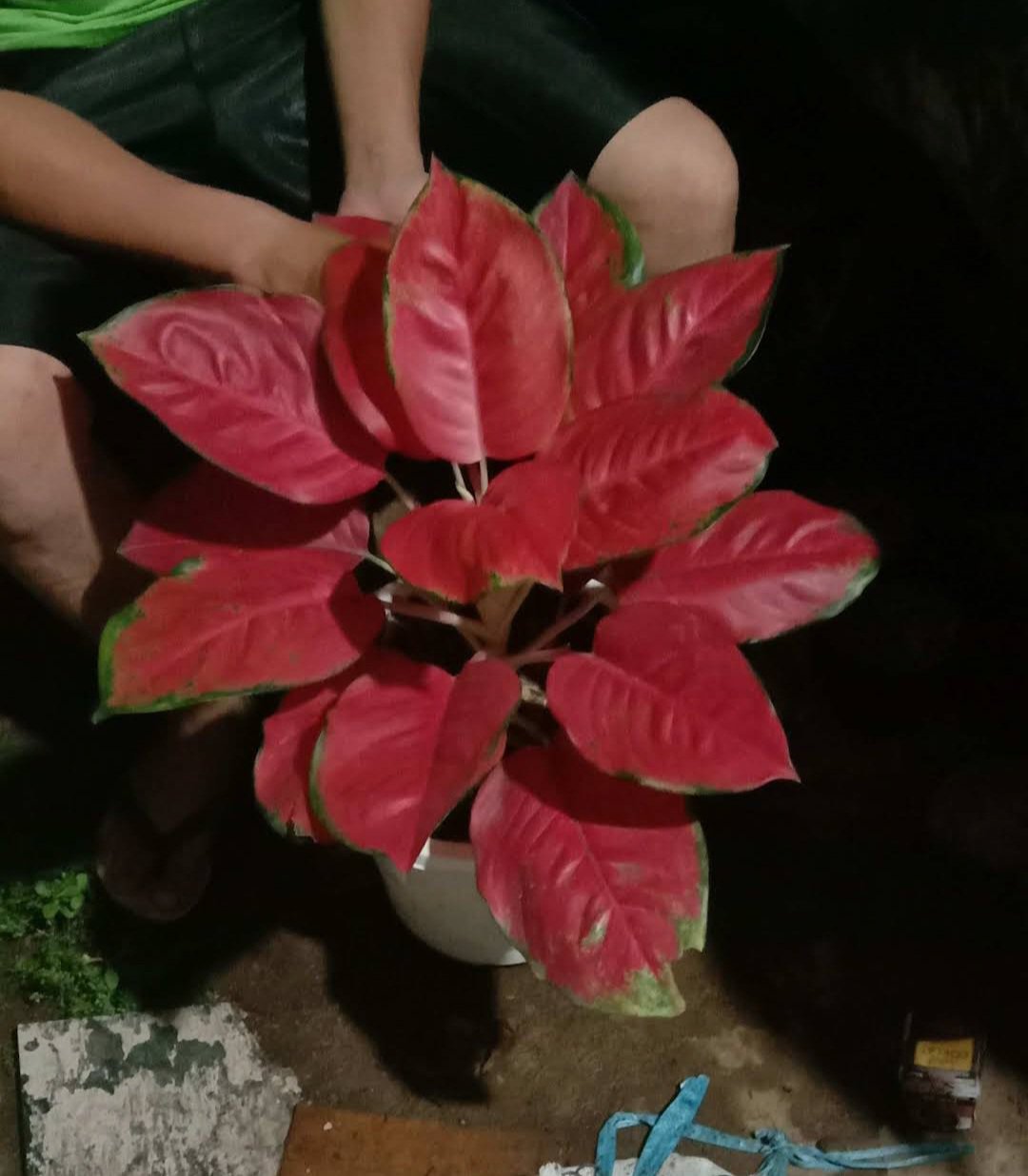
Live Plant Aglaonema Suksom Jaipong Beautiful Flower Plant FREESHIPPING
Aglaonema, commonly known as Chinese evergreen, is a popular indoor plant prized for its attractive foliage and low maintenance requirements. Here's a guide on how to grow Aglaonema:
Light: Aglaonema thrives in low to moderate light conditions. It can tolerate low light but prefers bright, indirect light. Avoid direct sunlight, as it can scorch the leaves. Place the plant near a window where it can receive filtered sunlight or in a well-lit room away from direct sun exposure.
Temperature: Aglaonema prefers temperatures between 65°F to 80°F (18°C to 27°C). It is sensitive to cold drafts and temperatures below 50°F (10°C). Keep the plant away from heaters, air conditioners, and drafty windows.
Soil: Use well-draining, peat-based potting soil for Aglaonema. A mix containing perlite or vermiculite can improve drainage. Ensure the pot has drainage holes to prevent waterlogging, which can lead to root rot.
Watering: Water Aglaonema moderately, allowing the top inch of soil to dry out between waterings. Water thoroughly, ensuring water reaches the roots, but avoid overwatering. Be cautious not to let the plant sit in water, as this can lead to root rot. Reduce watering in winter when growth slows down.
Humidity: Aglaonema prefers moderate to high humidity levels. Increase humidity by misting the leaves regularly or placing a tray of water with pebbles beneath the plant. Avoid placing the plant near heaters or air vents, which can dry out the air.
Fertilizing: Feed Aglaonema with a balanced liquid fertilizer diluted to half strength every 4-6 weeks during the growing season (spring and summer). Reduce fertilization in fall and winter when growth slows down.
Pruning: Trim leggy or yellowing stems and remove any dead or damaged leaves to encourage new growth and maintain the plant's shape. Pruning can also help improve airflow and prevent disease.
Propagation: Aglaonema can be propagated by division or stem cuttings. To propagate by division, separate overcrowded clumps of stems and roots and replant them in separate containers. For stem cuttings, take a cutting with at least one node and place it in moist potting soil or water until roots develop.
Pest and Disease Control: Monitor for pests such as spider mites, aphids, and mealybugs, and treat them as needed with insecticidal soap or neem oil. Keep the plant clean and free of debris to reduce the risk of disease.
Potting and Repotting: Repot Aglaonema every 1-2 years or when it outgrows its container. Choose a slightly larger pot with good drainage, and refresh the potting soil to provide fresh nutrients.
By providing the right growing conditions, proper care, and maintenance, you can successfully grow Aglaonema and enjoy its lush foliage indoors. With its resilience and adaptability, Aglaonema makes an excellent choice for beginner indoor gardeners.
In the photo is not factual item...
The size live plant item depends on stock...
Thank you
Aglaonema, commonly known as Chinese evergreen, is a popular indoor plant prized for its attractive foliage and low maintenance requirements. Here's a guide on how to grow Aglaonema:
Light: Aglaonema thrives in low to moderate light conditions. It can tolerate low light but prefers bright, indirect light. Avoid direct sunlight, as it can scorch the leaves. Place the plant near a window where it can receive filtered sunlight or in a well-lit room away from direct sun exposure.
Temperature: Aglaonema prefers temperatures between 65°F to 80°F (18°C to 27°C). It is sensitive to cold drafts and temperatures below 50°F (10°C). Keep the plant away from heaters, air conditioners, and drafty windows.
Soil: Use well-draining, peat-based potting soil for Aglaonema. A mix containing perlite or vermiculite can improve drainage. Ensure the pot has drainage holes to prevent waterlogging, which can lead to root rot.
Watering: Water Aglaonema moderately, allowing the top inch of soil to dry out between waterings. Water thoroughly, ensuring water reaches the roots, but avoid overwatering. Be cautious not to let the plant sit in water, as this can lead to root rot. Reduce watering in winter when growth slows down.
Humidity: Aglaonema prefers moderate to high humidity levels. Increase humidity by misting the leaves regularly or placing a tray of water with pebbles beneath the plant. Avoid placing the plant near heaters or air vents, which can dry out the air.
Fertilizing: Feed Aglaonema with a balanced liquid fertilizer diluted to half strength every 4-6 weeks during the growing season (spring and summer). Reduce fertilization in fall and winter when growth slows down.
Pruning: Trim leggy or yellowing stems and remove any dead or damaged leaves to encourage new growth and maintain the plant's shape. Pruning can also help improve airflow and prevent disease.
Propagation: Aglaonema can be propagated by division or stem cuttings. To propagate by division, separate overcrowded clumps of stems and roots and replant them in separate containers. For stem cuttings, take a cutting with at least one node and place it in moist potting soil or water until roots develop.
Pest and Disease Control: Monitor for pests such as spider mites, aphids, and mealybugs, and treat them as needed with insecticidal soap or neem oil. Keep the plant clean and free of debris to reduce the risk of disease.
Potting and Repotting: Repot Aglaonema every 1-2 years or when it outgrows its container. Choose a slightly larger pot with good drainage, and refresh the potting soil to provide fresh nutrients.
By providing the right growing conditions, proper care, and maintenance, you can successfully grow Aglaonema and enjoy its lush foliage indoors. With its resilience and adaptability, Aglaonema makes an excellent choice for beginner indoor gardeners.
In the photo is not factual item...
The size live plant item depends on stock...
Thank you


 ID, Jawa Timur
