
$223.83
On Hold
Live Plant Hosui Asian Pear Tree Fruit Tree Tropical Garden Live Plant FREESHIPPING
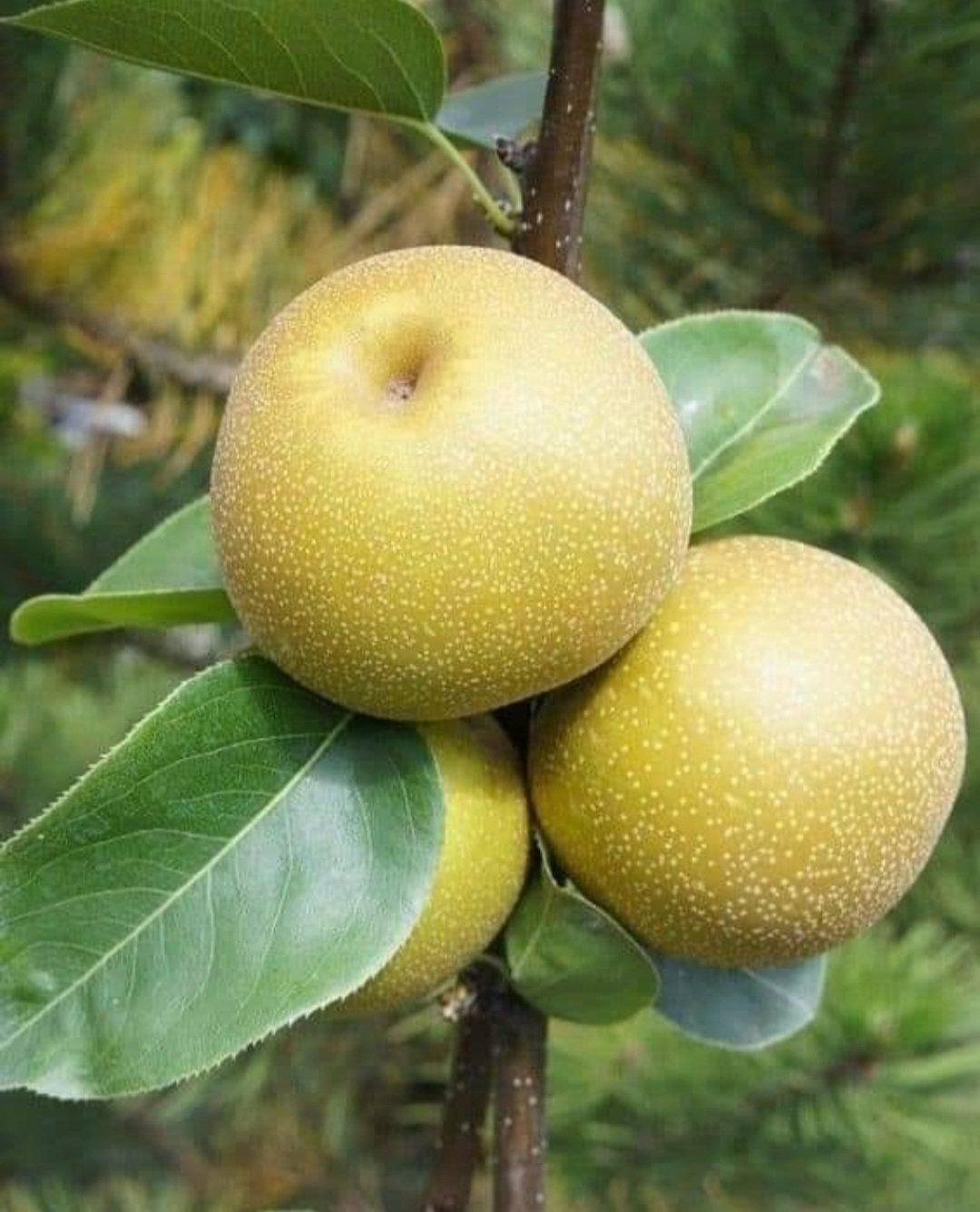
Live Plant Hosui Asian Pear Tree Fruit Tree Tropical Garden Live Plant FREESHIPPING
Growing pears (Pyrus) requires attention to specific conditions to ensure healthy growth and fruit production. Here's a guide on how to grow pears:
Climate: Pears thrive in temperate climates with cold winters and mild summers. They prefer areas with a chilling requirement of around 600-1,000 hours below 45°F (7°C) during the dormant season to produce fruit. Choose pear varieties that are suitable for your climate and hardiness zone.
Varieties: There are many pear varieties available, each with different flavors, textures, and ripening times. Common varieties include Bartlett, Anjou, Bosc, and Asian pears. Research which varieties are well-suited to your climate and growing conditions.
Sunlight: Pears require full sun to produce abundant fruit. Choose a sunny location with at least 6-8 hours of direct sunlight per day. Avoid planting them in shaded areas or areas prone to strong winds.
Soil: Pears prefer well-draining, fertile soil with a pH between 6.0 and 7.0. Sandy loam or loamy soil types are ideal. Ensure good drainage to prevent waterlogging, which can lead to root rot.
Planting: Plant pear trees in the late winter or early spring before the tree breaks dormancy. Dig a hole slightly larger than the root ball and backfill it with well-amended soil. Ensure that the graft union (the swollen area near the base of the trunk) is above the soil level to prevent rootstock from sprouting.
Spacing: Space pear trees at least 20-25 feet apart to allow for proper growth and development. Dwarf or semi-dwarf varieties can be planted closer together.
Watering: Water newly planted pear trees deeply to establish a strong root system. Water regularly, especially during hot and dry periods, to keep the soil consistently moist but not waterlogged. Reduce watering in the fall to help the tree prepare for dormancy.
Fertilizing: Fertilize pear trees with a balanced fertilizer in the spring before new growth begins. Apply fertilizer according to the manufacturer's instructions, and avoid over-fertilizing, which can lead to excessive vegetative growth at the expense of fruit production.
Pruning: Prune pear trees annually to maintain shape, improve airflow, and remove dead, damaged, or diseased branches. Pruning is typically done in late winter or early spring before new growth begins.
Pollination: Most pear varieties are not self-pollinating and require cross-pollination with another compatible pear variety to produce fruit. Ensure that you have at least two compatible pear trees planted within close proximity for optimal pollination.
Pest and Disease Control: Monitor for pests such as aphids, pear psylla, and codling moths, and treat them as needed with insecticidal soap or neem oil. Keep the area around the tree free of weeds and debris to reduce the risk of disease.
Harvesting: Pears typically ripen in late summer to early fall, depending on the variety. Harvest the fruit when it reaches maturity and easily separates from the tree with a gentle twist. Allow harvested pears to ripen further at room temperature before consuming.
By providing the right growing conditions, proper care, and maintenance, you can successfully grow pear trees and enjoy their delicious fruit. With patience and attention to detail, you can create a thriving pear orchard in your garden.
In the photo is not factual item...
The size live plant item depends on stock...
Thank you
Growing pears (Pyrus) requires attention to specific conditions to ensure healthy growth and fruit production. Here's a guide on how to grow pears:
Climate: Pears thrive in temperate climates with cold winters and mild summers. They prefer areas with a chilling requirement of around 600-1,000 hours below 45°F (7°C) during the dormant season to produce fruit. Choose pear varieties that are suitable for your climate and hardiness zone.
Varieties: There are many pear varieties available, each with different flavors, textures, and ripening times. Common varieties include Bartlett, Anjou, Bosc, and Asian pears. Research which varieties are well-suited to your climate and growing conditions.
Sunlight: Pears require full sun to produce abundant fruit. Choose a sunny location with at least 6-8 hours of direct sunlight per day. Avoid planting them in shaded areas or areas prone to strong winds.
Soil: Pears prefer well-draining, fertile soil with a pH between 6.0 and 7.0. Sandy loam or loamy soil types are ideal. Ensure good drainage to prevent waterlogging, which can lead to root rot.
Planting: Plant pear trees in the late winter or early spring before the tree breaks dormancy. Dig a hole slightly larger than the root ball and backfill it with well-amended soil. Ensure that the graft union (the swollen area near the base of the trunk) is above the soil level to prevent rootstock from sprouting.
Spacing: Space pear trees at least 20-25 feet apart to allow for proper growth and development. Dwarf or semi-dwarf varieties can be planted closer together.
Watering: Water newly planted pear trees deeply to establish a strong root system. Water regularly, especially during hot and dry periods, to keep the soil consistently moist but not waterlogged. Reduce watering in the fall to help the tree prepare for dormancy.
Fertilizing: Fertilize pear trees with a balanced fertilizer in the spring before new growth begins. Apply fertilizer according to the manufacturer's instructions, and avoid over-fertilizing, which can lead to excessive vegetative growth at the expense of fruit production.
Pruning: Prune pear trees annually to maintain shape, improve airflow, and remove dead, damaged, or diseased branches. Pruning is typically done in late winter or early spring before new growth begins.
Pollination: Most pear varieties are not self-pollinating and require cross-pollination with another compatible pear variety to produce fruit. Ensure that you have at least two compatible pear trees planted within close proximity for optimal pollination.
Pest and Disease Control: Monitor for pests such as aphids, pear psylla, and codling moths, and treat them as needed with insecticidal soap or neem oil. Keep the area around the tree free of weeds and debris to reduce the risk of disease.
Harvesting: Pears typically ripen in late summer to early fall, depending on the variety. Harvest the fruit when it reaches maturity and easily separates from the tree with a gentle twist. Allow harvested pears to ripen further at room temperature before consuming.
By providing the right growing conditions, proper care, and maintenance, you can successfully grow pear trees and enjoy their delicious fruit. With patience and attention to detail, you can create a thriving pear orchard in your garden.
In the photo is not factual item...
The size live plant item depends on stock...
Thank you


 ID, Jawa Timur
