
$55.95
On Hold
Live Plant Longan Dimocarpus Fruit Tree Tropical Garden Live Plant FREESHIPPING
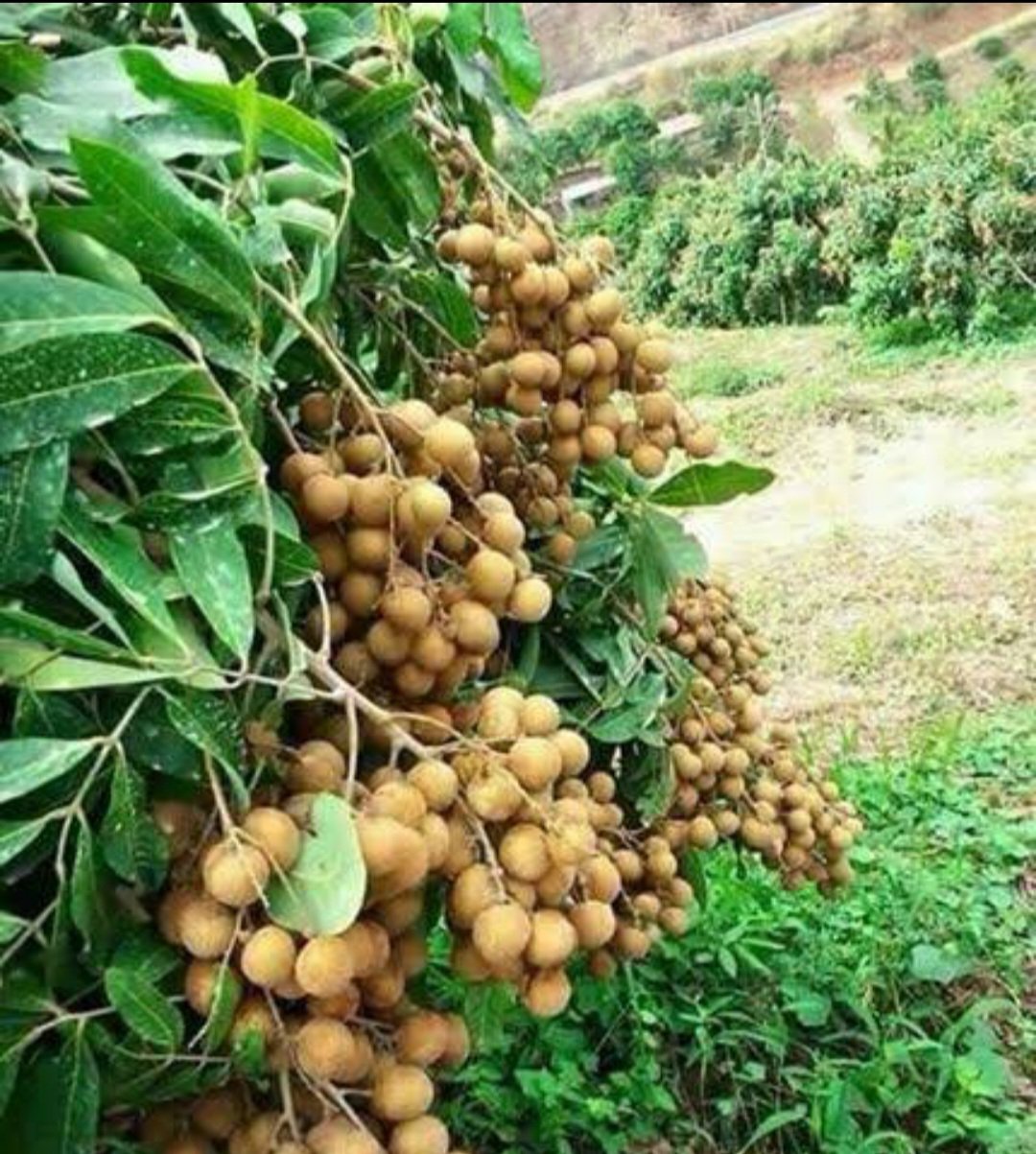
Live Plant Longan Dimocarpus Fruit Tree Tropical Garden Live Plant FREESHIPPING
Longan (Dimocarpus longan) is a tropical fruit tree native to Southeast Asia, known for its sweet and juicy fruit. Growing longan requires warm temperatures, adequate sunlight, and well-draining soil. Here's a guide on how to grow longan:
Climate: Longan trees thrive in tropical and subtropical climates. They require warm temperatures and are sensitive to frost. Ideally, they should be grown in USDA hardiness zones 10-12. However, they can also be grown in containers and moved indoors during colder months in regions with cooler climates.
Sunlight: Longan trees require full sun to produce abundant fruit. Choose a location with at least 6-8 hours of direct sunlight per day. Avoid planting them in shaded areas or areas prone to strong winds, as this can affect fruit production.
Soil: Longans prefer well-draining, slightly acidic soil with a pH between 5.5 and 6.5. Sandy loam or loamy soil types are ideal. Ensure good drainage to prevent waterlogging, as longan trees are susceptible to root rot.
Planting: Plant longan trees in the spring after the danger of frost has passed. Dig a hole twice as wide and deep as the root ball, and backfill it with amended soil. Space multiple trees at least 25-30 feet apart to allow for proper growth and development.
Watering: Longan trees require regular watering, especially during hot and dry periods. Water deeply but infrequently, allowing the soil to dry out slightly between waterings. However, ensure that the soil remains consistently moist, especially during flowering and fruiting.
Fertilizing: Fertilize young longan trees with a balanced fertilizer high in nitrogen, phosphorus, and potassium. Apply fertilizer in the spring and summer months, following the manufacturer's instructions. Once established, longan trees may not require regular fertilization.
Pruning: Prune longan trees annually to maintain shape, improve airflow, and remove dead or diseased branches. Pruning is typically done in late winter or early spring before new growth begins.
Pollination: Longan trees are self-pollinating, but cross-pollination can increase fruit production. Bees and other pollinators are attracted to the flowers. If growing multiple trees, ensure they are within close proximity to facilitate pollination.
Pest and Disease Control: Monitor for pests such as aphids, scale insects, and fruit flies, and treat them as needed with insecticidal soap or neem oil. Keep the area around the tree free of weeds and debris to reduce the risk of disease.
Harvesting: Longan fruits typically ripen in late summer to early fall, about 3-4 months after flowering. The skin should turn from green to brown, and the fruit should feel slightly soft to the touch. Harvest by cutting the fruit from the tree with pruning shears.
By providing the right growing conditions, proper care, and maintenance, you can successfully grow longan trees and enjoy their delicious fruit.
In the photo is not factual item...
The size live plant item depends on stock...
Thank you
Longan (Dimocarpus longan) is a tropical fruit tree native to Southeast Asia, known for its sweet and juicy fruit. Growing longan requires warm temperatures, adequate sunlight, and well-draining soil. Here's a guide on how to grow longan:
Climate: Longan trees thrive in tropical and subtropical climates. They require warm temperatures and are sensitive to frost. Ideally, they should be grown in USDA hardiness zones 10-12. However, they can also be grown in containers and moved indoors during colder months in regions with cooler climates.
Sunlight: Longan trees require full sun to produce abundant fruit. Choose a location with at least 6-8 hours of direct sunlight per day. Avoid planting them in shaded areas or areas prone to strong winds, as this can affect fruit production.
Soil: Longans prefer well-draining, slightly acidic soil with a pH between 5.5 and 6.5. Sandy loam or loamy soil types are ideal. Ensure good drainage to prevent waterlogging, as longan trees are susceptible to root rot.
Planting: Plant longan trees in the spring after the danger of frost has passed. Dig a hole twice as wide and deep as the root ball, and backfill it with amended soil. Space multiple trees at least 25-30 feet apart to allow for proper growth and development.
Watering: Longan trees require regular watering, especially during hot and dry periods. Water deeply but infrequently, allowing the soil to dry out slightly between waterings. However, ensure that the soil remains consistently moist, especially during flowering and fruiting.
Fertilizing: Fertilize young longan trees with a balanced fertilizer high in nitrogen, phosphorus, and potassium. Apply fertilizer in the spring and summer months, following the manufacturer's instructions. Once established, longan trees may not require regular fertilization.
Pruning: Prune longan trees annually to maintain shape, improve airflow, and remove dead or diseased branches. Pruning is typically done in late winter or early spring before new growth begins.
Pollination: Longan trees are self-pollinating, but cross-pollination can increase fruit production. Bees and other pollinators are attracted to the flowers. If growing multiple trees, ensure they are within close proximity to facilitate pollination.
Pest and Disease Control: Monitor for pests such as aphids, scale insects, and fruit flies, and treat them as needed with insecticidal soap or neem oil. Keep the area around the tree free of weeds and debris to reduce the risk of disease.
Harvesting: Longan fruits typically ripen in late summer to early fall, about 3-4 months after flowering. The skin should turn from green to brown, and the fruit should feel slightly soft to the touch. Harvest by cutting the fruit from the tree with pruning shears.
By providing the right growing conditions, proper care, and maintenance, you can successfully grow longan trees and enjoy their delicious fruit.
In the photo is not factual item...
The size live plant item depends on stock...
Thank you


 ID, Jawa Timur
