
$42.98
On Hold
Live Plant Alocasia Black Velvet Home Beautiful Flower Plant FREESHIPPING
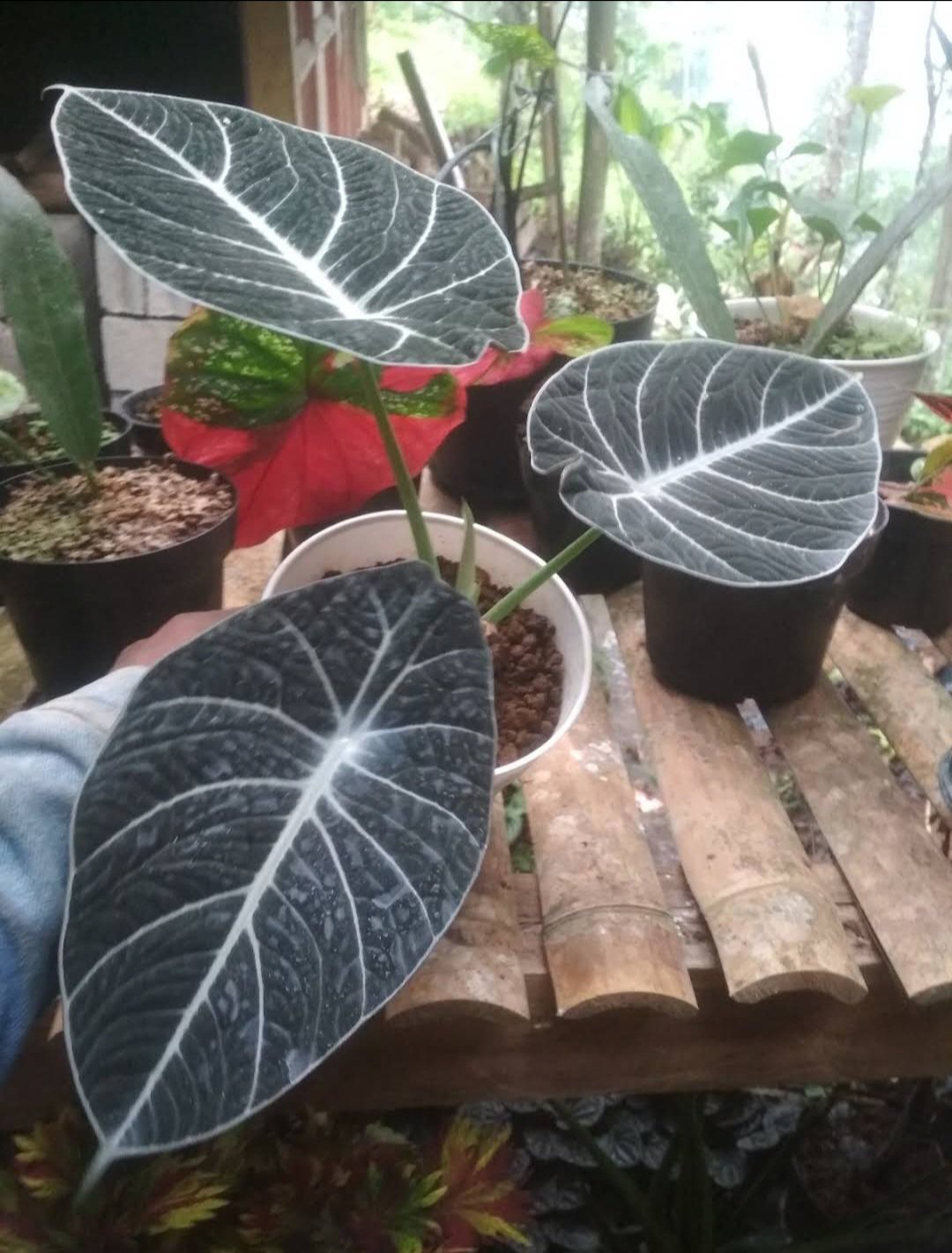
Live Plant Alocasia Black Velvet Home Beautiful Flower Plant FREESHIPPING
Alocasia plants, also known as elephant ear plants or African masks, are tropical beauties prized for their large, striking foliage. Here's a guide on how to grow and care for Alocasia:
Light: Alocasia plants prefer bright, indirect light. While they can tolerate lower light conditions, they thrive in locations with plenty of filtered sunlight. Avoid direct sunlight, as it can scorch their leaves.
Temperature: Alocasia plants prefer temperatures between 65-80°F (18-27°C). They are sensitive to cold drafts, so keep them away from doors, windows, or air conditioning vents.
Watering: Keep the soil consistently moist but not waterlogged. Water your Alocasia when the top inch of soil feels dry to the touch. Ensure that the pot has drainage holes to prevent waterlogging and root rot.
Humidity: Alocasia plants thrive in high humidity environments. If your home has low humidity, you can increase humidity by misting the leaves regularly, placing a humidifier nearby, or grouping plants together to create a microclimate.
Soil: Use a well-draining potting mix for Alocasia plants. A mix of peat moss, perlite, and compost works well. Good drainage is crucial to prevent waterlogging.
Fertilization: Feed your Alocasia plant with a balanced liquid fertilizer diluted to half strength every 4-6 weeks during the growing season (spring and summer). Reduce fertilization in fall and winter when growth slows down.
Pruning: Trim off any yellowing or damaged leaves regularly to maintain the plant's appearance and health. Use clean, sharp scissors to make clean cuts and prevent the spread of disease.
Support: Some Alocasia varieties may benefit from staking or support as they grow taller. Providing support can prevent the stems from becoming too top-heavy and tipping over.
Repotting: Repot your Alocasia plant when it outgrows its current pot or if the soil becomes compacted. Repotting is typically done every 1-2 years in spring. Choose a pot that is slightly larger than the current one and refresh the soil to provide fresh nutrients.
Propagation: Alocasia plants can be propagated through division. When repotting, you can separate offsets or rhizomes from the parent plant and pot them separately.
With proper care and attention to their specific needs, Alocasia plants can thrive indoors, adding a touch of tropical elegance to your home or office space. However, it's essential to note that some Alocasia varieties can be toxic if ingested, so keep them away from pets and children.
In the photo is not factual item...
The size live plant item depends on stock...
Thank you
Alocasia plants, also known as elephant ear plants or African masks, are tropical beauties prized for their large, striking foliage. Here's a guide on how to grow and care for Alocasia:
Light: Alocasia plants prefer bright, indirect light. While they can tolerate lower light conditions, they thrive in locations with plenty of filtered sunlight. Avoid direct sunlight, as it can scorch their leaves.
Temperature: Alocasia plants prefer temperatures between 65-80°F (18-27°C). They are sensitive to cold drafts, so keep them away from doors, windows, or air conditioning vents.
Watering: Keep the soil consistently moist but not waterlogged. Water your Alocasia when the top inch of soil feels dry to the touch. Ensure that the pot has drainage holes to prevent waterlogging and root rot.
Humidity: Alocasia plants thrive in high humidity environments. If your home has low humidity, you can increase humidity by misting the leaves regularly, placing a humidifier nearby, or grouping plants together to create a microclimate.
Soil: Use a well-draining potting mix for Alocasia plants. A mix of peat moss, perlite, and compost works well. Good drainage is crucial to prevent waterlogging.
Fertilization: Feed your Alocasia plant with a balanced liquid fertilizer diluted to half strength every 4-6 weeks during the growing season (spring and summer). Reduce fertilization in fall and winter when growth slows down.
Pruning: Trim off any yellowing or damaged leaves regularly to maintain the plant's appearance and health. Use clean, sharp scissors to make clean cuts and prevent the spread of disease.
Support: Some Alocasia varieties may benefit from staking or support as they grow taller. Providing support can prevent the stems from becoming too top-heavy and tipping over.
Repotting: Repot your Alocasia plant when it outgrows its current pot or if the soil becomes compacted. Repotting is typically done every 1-2 years in spring. Choose a pot that is slightly larger than the current one and refresh the soil to provide fresh nutrients.
Propagation: Alocasia plants can be propagated through division. When repotting, you can separate offsets or rhizomes from the parent plant and pot them separately.
With proper care and attention to their specific needs, Alocasia plants can thrive indoors, adding a touch of tropical elegance to your home or office space. However, it's essential to note that some Alocasia varieties can be toxic if ingested, so keep them away from pets and children.
In the photo is not factual item...
The size live plant item depends on stock...
Thank you


 ID, Jawa Timur
