
$81.13
On Hold
Live Plant Monstera adansonii, Swiss cheese plant Beautiful Flower Plant FREESHIPPING
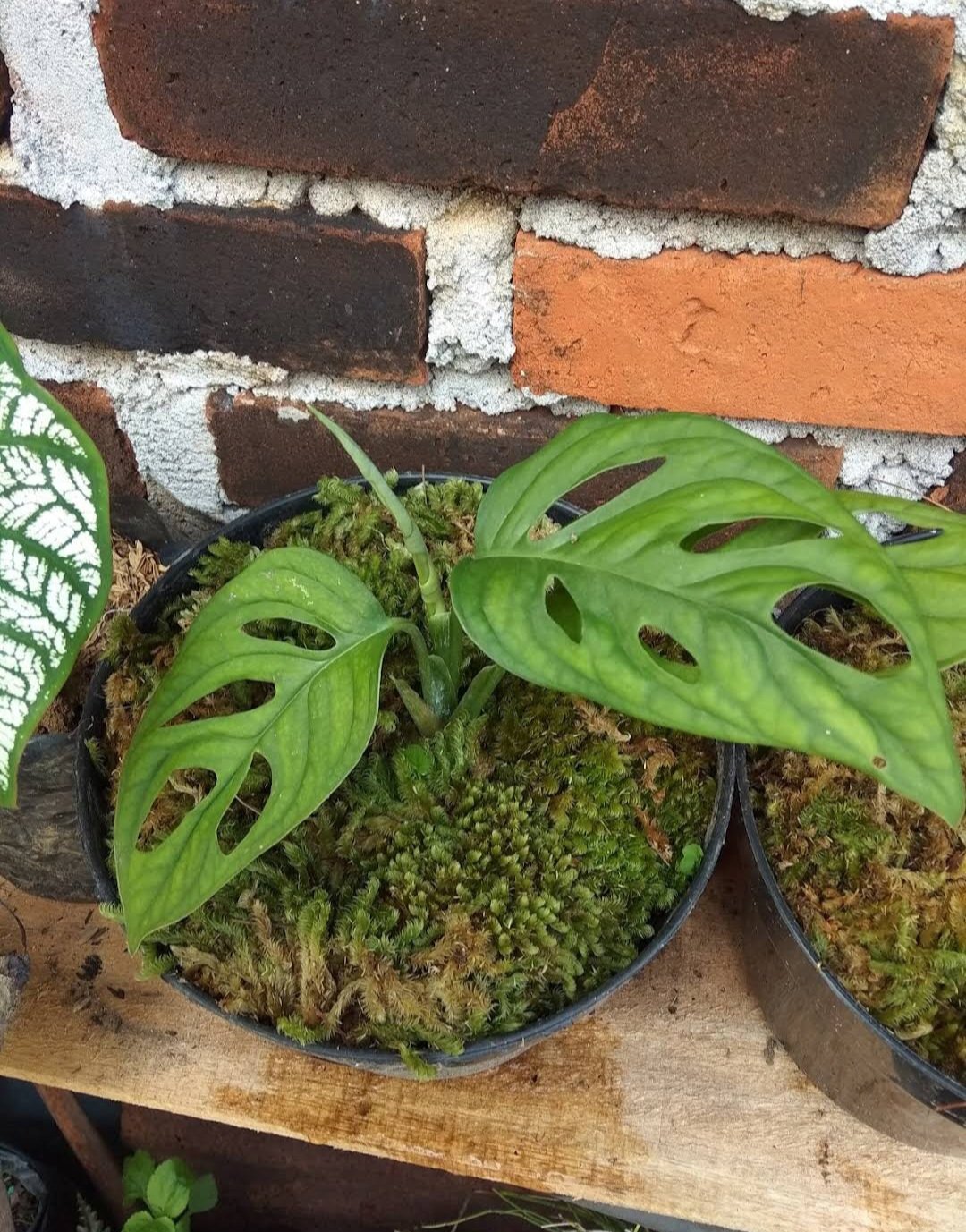
Live Plant Monstera adansonii, Swiss cheese plant Beautiful Flower Plant FREESHIPPING
Monstera, also known as the Swiss cheese plant due to its distinctive leaf shape, is a popular tropical houseplant known for its ease of care and striking appearance. Here's a guide on how to grow Monstera:
Light: Monstera plants thrive in bright, indirect light. Avoid direct sunlight as it can scorch their leaves. Place your Monstera near a window where it can receive plenty of filtered sunlight.
Temperature: Monstera plants prefer temperatures between 65-85°F (18-29°C). They can tolerate slightly cooler temperatures but should be protected from drafts.
Watering: Water your Monstera when the top inch of soil feels dry to the touch. Allow excess water to drain out of the pot to prevent waterlogged soil, which can lead to root rot. Ensure that the pot has drainage holes.
Humidity: Monstera plants appreciate higher humidity levels, especially during the drier months. You can increase humidity by misting the leaves regularly or placing a humidifier nearby. Alternatively, you can place the pot on a tray filled with pebbles and water.
Soil: Use a well-draining potting mix for your Monstera. A mix of peat moss, perlite, and orchid bark works well. Good drainage is crucial to prevent waterlogging.
Fertilization: During the growing season (spring and summer), feed your Monstera with a balanced liquid fertilizer every 4-6 weeks. Reduce fertilization during the fall and winter months when growth slows down.
Pruning: Monstera plants can grow quite large, and pruning helps to control their size and shape. You can trim back any leggy or unruly growth to encourage bushier growth.
Support: As Monstera plants mature, they develop aerial roots that help them climb. Providing a moss pole or trellis for support encourages upward growth and allows the plant to display its characteristic fenestrated leaves.
Repotting: Repot your Monstera when it outgrows its current pot, typically every 1-2 years. Choose a pot that is slightly larger than the current one and refresh the soil to provide fresh nutrients.
Propagation: Monstera plants are easy to propagate through stem cuttings. Simply cut a healthy stem below a node and place it in water or moist soil. Roots should develop within a few weeks, and you can then transplant the cutting into its own pot.
With proper care, your Monstera plant will reward you with lush foliage and can become a striking focal point in your home or office space.
In the photo is not factual item...
The size live plant item depends on stock...
Thank you
Monstera, also known as the Swiss cheese plant due to its distinctive leaf shape, is a popular tropical houseplant known for its ease of care and striking appearance. Here's a guide on how to grow Monstera:
Light: Monstera plants thrive in bright, indirect light. Avoid direct sunlight as it can scorch their leaves. Place your Monstera near a window where it can receive plenty of filtered sunlight.
Temperature: Monstera plants prefer temperatures between 65-85°F (18-29°C). They can tolerate slightly cooler temperatures but should be protected from drafts.
Watering: Water your Monstera when the top inch of soil feels dry to the touch. Allow excess water to drain out of the pot to prevent waterlogged soil, which can lead to root rot. Ensure that the pot has drainage holes.
Humidity: Monstera plants appreciate higher humidity levels, especially during the drier months. You can increase humidity by misting the leaves regularly or placing a humidifier nearby. Alternatively, you can place the pot on a tray filled with pebbles and water.
Soil: Use a well-draining potting mix for your Monstera. A mix of peat moss, perlite, and orchid bark works well. Good drainage is crucial to prevent waterlogging.
Fertilization: During the growing season (spring and summer), feed your Monstera with a balanced liquid fertilizer every 4-6 weeks. Reduce fertilization during the fall and winter months when growth slows down.
Pruning: Monstera plants can grow quite large, and pruning helps to control their size and shape. You can trim back any leggy or unruly growth to encourage bushier growth.
Support: As Monstera plants mature, they develop aerial roots that help them climb. Providing a moss pole or trellis for support encourages upward growth and allows the plant to display its characteristic fenestrated leaves.
Repotting: Repot your Monstera when it outgrows its current pot, typically every 1-2 years. Choose a pot that is slightly larger than the current one and refresh the soil to provide fresh nutrients.
Propagation: Monstera plants are easy to propagate through stem cuttings. Simply cut a healthy stem below a node and place it in water or moist soil. Roots should develop within a few weeks, and you can then transplant the cutting into its own pot.
With proper care, your Monstera plant will reward you with lush foliage and can become a striking focal point in your home or office space.
In the photo is not factual item...
The size live plant item depends on stock...
Thank you


 ID, Jawa Timur
