
$125.90
On Hold
5 BULBS WITH ROOTS RAIN LILY ZEPHYRANTHES ROSEA Beautiful Flower Plant FREESHIPPING
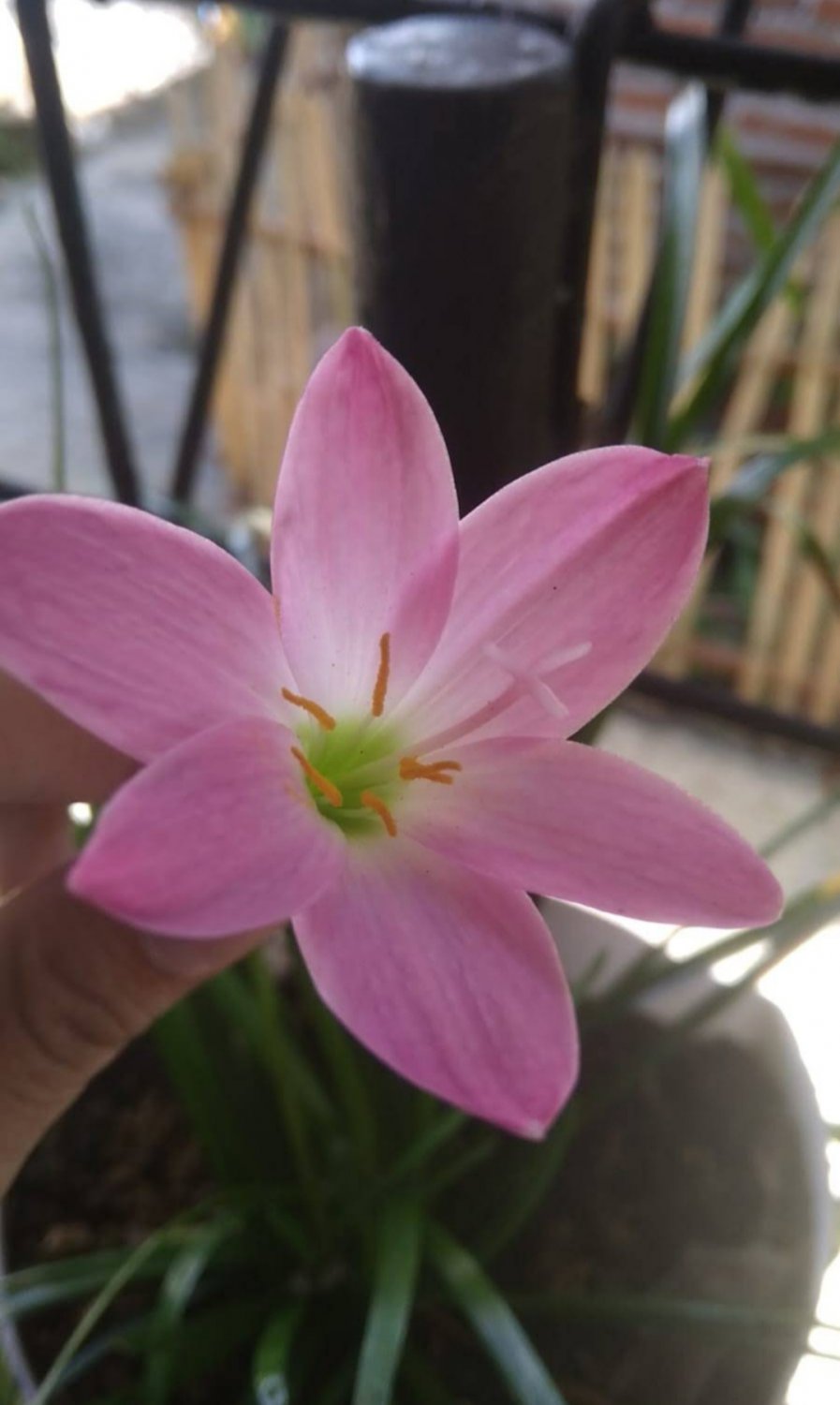
5 BULBS WITH ROOTS RAIN LILY ZEPHYRANTHES ROSEA Beautiful Flower Plant FREESHIPPING
Rain lilies (Zephyranthes spp.) are charming perennial plants known for their delicate, trumpet-shaped flowers that bloom after rainfall. Here's a guide on how to grow rain lilies:
Climate: Rain lilies thrive in warm climates and are suitable for USDA hardiness zones 7 through 11. They prefer full sun to partial shade but can tolerate some shade, especially in hotter regions.
Soil: Plant rain lilies in well-draining soil rich in organic matter. They prefer slightly acidic to neutral soil pH. If your soil is heavy or clayey, amend it with compost or peat moss to improve drainage.
Planting: Plant rain lily bulbs or rhizomes in the spring or fall. Dig a hole slightly deeper than the bulb or rhizome and place it in the hole with the pointed end facing upward. Space multiple bulbs or rhizomes several inches apart to allow for their spreading habit.
Watering: Rain lilies are drought-tolerant once established but appreciate regular watering during their active growing season. Water deeply when the soil feels dry to the touch, but allow the soil to dry out between waterings to prevent root rot.
Fertilization: Rain lilies do not require heavy fertilization. Apply a balanced fertilizer or a fertilizer low in nitrogen sparingly during the growing season to promote healthy growth and flowering. Follow the manufacturer's instructions for application rates.
Mulching: Apply a layer of organic mulch, such as wood chips or shredded bark, around the base of rain lily plants to conserve soil moisture, suppress weeds, and regulate soil temperature. Leave a gap between the mulch and the plant's stem to prevent rot.
Deadheading: Remove spent flowers regularly to encourage continuous blooming throughout the growing season. Pinch off faded blooms or use scissors to cut them back to the nearest set of leaves.
Winter Care: In colder climates, rain lilies may go dormant during the winter months. Mulch the soil around the plants to protect the bulbs or rhizomes from freezing temperatures. Resume regular watering in the spring when new growth emerges.
Propagation: Rain lilies can be propagated by dividing established clumps or by planting seeds. Divide clumps in the spring or fall, ensuring each division has several bulbs or rhizomes. Sow seeds directly into the garden in the spring after the last frost date.
Container Growing: Rain lilies are well-suited for container gardening. Plant them in containers with drainage holes filled with well-draining potting mix. Place the containers in a sunny location and water regularly, allowing the soil to dry out between waterings.
By following these guidelines, you can successfully grow rain lilies and enjoy their charming flowers in your garden or containers.
In the photo is not factual item...
The size live plant item depends on stock...
Thank you
Rain lilies (Zephyranthes spp.) are charming perennial plants known for their delicate, trumpet-shaped flowers that bloom after rainfall. Here's a guide on how to grow rain lilies:
Climate: Rain lilies thrive in warm climates and are suitable for USDA hardiness zones 7 through 11. They prefer full sun to partial shade but can tolerate some shade, especially in hotter regions.
Soil: Plant rain lilies in well-draining soil rich in organic matter. They prefer slightly acidic to neutral soil pH. If your soil is heavy or clayey, amend it with compost or peat moss to improve drainage.
Planting: Plant rain lily bulbs or rhizomes in the spring or fall. Dig a hole slightly deeper than the bulb or rhizome and place it in the hole with the pointed end facing upward. Space multiple bulbs or rhizomes several inches apart to allow for their spreading habit.
Watering: Rain lilies are drought-tolerant once established but appreciate regular watering during their active growing season. Water deeply when the soil feels dry to the touch, but allow the soil to dry out between waterings to prevent root rot.
Fertilization: Rain lilies do not require heavy fertilization. Apply a balanced fertilizer or a fertilizer low in nitrogen sparingly during the growing season to promote healthy growth and flowering. Follow the manufacturer's instructions for application rates.
Mulching: Apply a layer of organic mulch, such as wood chips or shredded bark, around the base of rain lily plants to conserve soil moisture, suppress weeds, and regulate soil temperature. Leave a gap between the mulch and the plant's stem to prevent rot.
Deadheading: Remove spent flowers regularly to encourage continuous blooming throughout the growing season. Pinch off faded blooms or use scissors to cut them back to the nearest set of leaves.
Winter Care: In colder climates, rain lilies may go dormant during the winter months. Mulch the soil around the plants to protect the bulbs or rhizomes from freezing temperatures. Resume regular watering in the spring when new growth emerges.
Propagation: Rain lilies can be propagated by dividing established clumps or by planting seeds. Divide clumps in the spring or fall, ensuring each division has several bulbs or rhizomes. Sow seeds directly into the garden in the spring after the last frost date.
Container Growing: Rain lilies are well-suited for container gardening. Plant them in containers with drainage holes filled with well-draining potting mix. Place the containers in a sunny location and water regularly, allowing the soil to dry out between waterings.
By following these guidelines, you can successfully grow rain lilies and enjoy their charming flowers in your garden or containers.
In the photo is not factual item...
The size live plant item depends on stock...
Thank you


 ID, Jawa Timur
