
$41.96
On Hold
Live Plant SALVIA LEUCANTHA MEXICAN BUSH SAGE Flower Plant Home Grown Garden Plant EMER
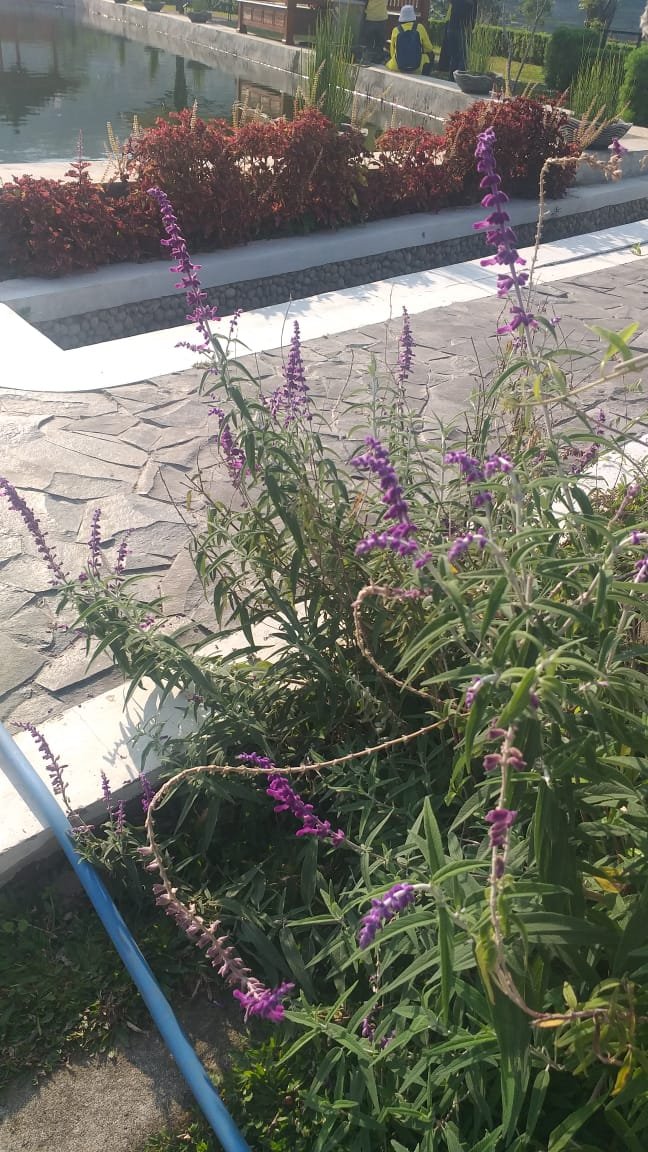
Live Plant SALVIA LEUCANTHA MEXICAN BUSH SAGE Flower Plant Home Grown Garden Plant EMER
Salvia leucantha, commonly known as Mexican bush sage or velvet sage, is a stunning flowering perennial native to Mexico. Here's a guide to growing Salvia leucantha:
Climate: Salvia leucantha thrives in warm climates and is suitable for USDA hardiness zones 8 to 11. It prefers full sun but can tolerate some light shade, especially in hot summer regions.
Soil: Plant Salvia leucantha in well-draining soil with good fertility. A sandy loam or loamy soil enriched with organic matter is ideal. Ensure the soil pH is neutral to slightly alkaline (around 6.5 to 7.5).
Planting: Plant Salvia leucantha in spring after the danger of frost has passed. Dig a hole slightly larger than the root ball and place the plant at the same depth as it was in its container. Space multiple plants about 2 to 3 feet apart to allow for adequate air circulation.
Watering: Water newly planted Salvia leucantha regularly to establish roots. Once established, it is drought-tolerant and only requires occasional watering during dry periods. Avoid overwatering, as it can lead to root rot.
Mulching: Apply a layer of mulch around Salvia leucantha plants to help retain soil moisture, suppress weeds, and maintain a consistent soil temperature. Organic mulches like shredded bark or compost work well.
Fertilization: Salvia leucantha does not require heavy fertilization. Apply a balanced slow-release fertilizer in spring, following the manufacturer's instructions. Avoid high-nitrogen fertilizers, as they can promote excessive foliage growth at the expense of flowers.
Pruning: Prune Salvia leucantha lightly in spring to remove any dead or damaged growth and encourage bushy, compact growth. Deadhead spent flowers regularly to prolong blooming and promote new flower production.
Support: While Salvia leucantha typically has sturdy stems, tall varieties may benefit from staking or support to prevent them from flopping over, especially in windy conditions or when grown in fertile soil.
Pest and Disease Management: Salvia leucantha is relatively resistant to pests and diseases. However, it may occasionally be affected by aphids, spider mites, or powdery mildew. Monitor your plants regularly and treat any pest or disease problems promptly with insecticidal soap or fungicides as needed.
Overwintering: In cooler climates, Salvia leucantha may be grown as an annual or treated as a tender perennial. Mulch around the plants to protect the roots from freezing temperatures, or bring container-grown plants indoors for the winter.
By following these tips, you can grow Salvia leucantha successfully and enjoy its beautiful velvety flowers and aromatic foliage in your garden.
In the photo is not factual item...
The size live plant item depends on stock...
Thank you
Salvia leucantha, commonly known as Mexican bush sage or velvet sage, is a stunning flowering perennial native to Mexico. Here's a guide to growing Salvia leucantha:
Climate: Salvia leucantha thrives in warm climates and is suitable for USDA hardiness zones 8 to 11. It prefers full sun but can tolerate some light shade, especially in hot summer regions.
Soil: Plant Salvia leucantha in well-draining soil with good fertility. A sandy loam or loamy soil enriched with organic matter is ideal. Ensure the soil pH is neutral to slightly alkaline (around 6.5 to 7.5).
Planting: Plant Salvia leucantha in spring after the danger of frost has passed. Dig a hole slightly larger than the root ball and place the plant at the same depth as it was in its container. Space multiple plants about 2 to 3 feet apart to allow for adequate air circulation.
Watering: Water newly planted Salvia leucantha regularly to establish roots. Once established, it is drought-tolerant and only requires occasional watering during dry periods. Avoid overwatering, as it can lead to root rot.
Mulching: Apply a layer of mulch around Salvia leucantha plants to help retain soil moisture, suppress weeds, and maintain a consistent soil temperature. Organic mulches like shredded bark or compost work well.
Fertilization: Salvia leucantha does not require heavy fertilization. Apply a balanced slow-release fertilizer in spring, following the manufacturer's instructions. Avoid high-nitrogen fertilizers, as they can promote excessive foliage growth at the expense of flowers.
Pruning: Prune Salvia leucantha lightly in spring to remove any dead or damaged growth and encourage bushy, compact growth. Deadhead spent flowers regularly to prolong blooming and promote new flower production.
Support: While Salvia leucantha typically has sturdy stems, tall varieties may benefit from staking or support to prevent them from flopping over, especially in windy conditions or when grown in fertile soil.
Pest and Disease Management: Salvia leucantha is relatively resistant to pests and diseases. However, it may occasionally be affected by aphids, spider mites, or powdery mildew. Monitor your plants regularly and treat any pest or disease problems promptly with insecticidal soap or fungicides as needed.
Overwintering: In cooler climates, Salvia leucantha may be grown as an annual or treated as a tender perennial. Mulch around the plants to protect the roots from freezing temperatures, or bring container-grown plants indoors for the winter.
By following these tips, you can grow Salvia leucantha successfully and enjoy its beautiful velvety flowers and aromatic foliage in your garden.
In the photo is not factual item...
The size live plant item depends on stock...
Thank you


 ID, Jawa Timur
