
$41.96
On Hold
Live Plant Callisia repens Flower Plant Home Grown Garden Plant EMER
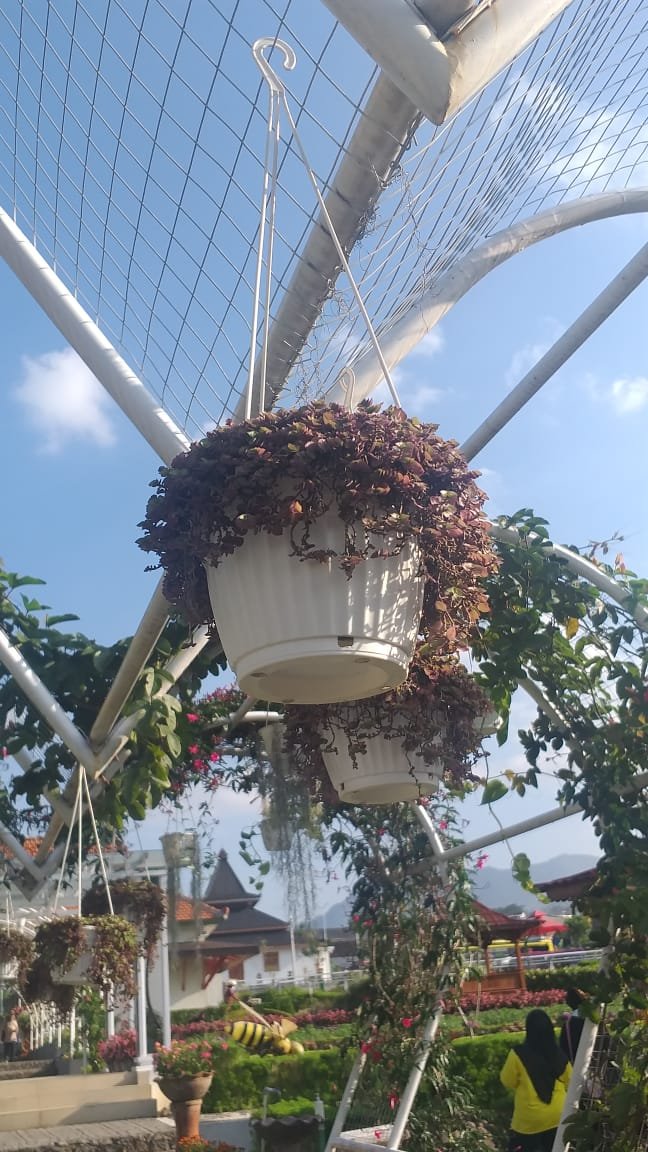
Live Plant Callisia repens Flower Plant Home Grown Garden Plant EMER
Callisia repens, commonly known as the turtle vine or inch plant, is a beautiful and easy-to-care-for trailing plant that's native to Mexico and Central America. Here are some general guidelines to help you grow Callisia repens successfully:
Light: Callisia repens thrives in bright, indirect light. Avoid placing it in direct sunlight for prolonged periods as this can scorch the leaves. A bright, east-facing window or a spot with filtered sunlight is ideal.
Temperature: This plant prefers average room temperatures ranging from 65°F to 75°F (18°C to 24°C). It can tolerate slightly cooler temperatures but should be protected from frost.
Watering: Allow the soil to dry out slightly between waterings. Overwatering can lead to root rot, so it's essential to let the top inch or so of soil dry out before watering again. Water thoroughly but ensure the excess water can drain away from the roots to prevent waterlogging.
Humidity: Callisia repens prefers moderate to high humidity levels. You can increase humidity by misting the plant regularly, placing a humidifier nearby, or setting the pot on a tray filled with pebbles and water.
Soil: Use a well-draining potting mix formulated for houseplants. A mixture of peat moss, perlite, and coarse sand works well. You can also add some organic matter like compost to enrich the soil.
Fertilizing: Feed your Callisia repens with a balanced liquid fertilizer diluted to half strength during the growing season (spring and summer) every 4-6 weeks. Reduce or stop fertilizing during the fall and winter months when growth slows down.
Propagation: Callisia repens is easy to propagate through stem cuttings. Simply cut a healthy stem just below a node (where the leaf meets the stem) and place it in water or directly in moist potting soil. Roots should develop within a few weeks.
Pruning: Regular pruning helps maintain the plant's shape and encourages bushier growth. You can trim back leggy stems to promote new growth and pinch off any dead or yellowing leaves.
Pests and Diseases: Keep an eye out for common houseplant pests like aphids, mealybugs, and spider mites. If you notice any signs of pest infestation, treat the plant promptly with insecticidal soap or neem oil. Avoid overwatering to prevent root rot and fungal diseases.
Repotting: Repot your Callisia repens when it outgrows its current container, usually every 1-2 years. Choose a pot that's slightly larger than the current one and refresh the soil to provide fresh nutrients.
By following these guidelines, you should be able to grow and enjoy a healthy and thriving Callisia repens plant in your home.
In the photo is not factual item...
The size live plant item depends on stock...
Thank you
Callisia repens, commonly known as the turtle vine or inch plant, is a beautiful and easy-to-care-for trailing plant that's native to Mexico and Central America. Here are some general guidelines to help you grow Callisia repens successfully:
Light: Callisia repens thrives in bright, indirect light. Avoid placing it in direct sunlight for prolonged periods as this can scorch the leaves. A bright, east-facing window or a spot with filtered sunlight is ideal.
Temperature: This plant prefers average room temperatures ranging from 65°F to 75°F (18°C to 24°C). It can tolerate slightly cooler temperatures but should be protected from frost.
Watering: Allow the soil to dry out slightly between waterings. Overwatering can lead to root rot, so it's essential to let the top inch or so of soil dry out before watering again. Water thoroughly but ensure the excess water can drain away from the roots to prevent waterlogging.
Humidity: Callisia repens prefers moderate to high humidity levels. You can increase humidity by misting the plant regularly, placing a humidifier nearby, or setting the pot on a tray filled with pebbles and water.
Soil: Use a well-draining potting mix formulated for houseplants. A mixture of peat moss, perlite, and coarse sand works well. You can also add some organic matter like compost to enrich the soil.
Fertilizing: Feed your Callisia repens with a balanced liquid fertilizer diluted to half strength during the growing season (spring and summer) every 4-6 weeks. Reduce or stop fertilizing during the fall and winter months when growth slows down.
Propagation: Callisia repens is easy to propagate through stem cuttings. Simply cut a healthy stem just below a node (where the leaf meets the stem) and place it in water or directly in moist potting soil. Roots should develop within a few weeks.
Pruning: Regular pruning helps maintain the plant's shape and encourages bushier growth. You can trim back leggy stems to promote new growth and pinch off any dead or yellowing leaves.
Pests and Diseases: Keep an eye out for common houseplant pests like aphids, mealybugs, and spider mites. If you notice any signs of pest infestation, treat the plant promptly with insecticidal soap or neem oil. Avoid overwatering to prevent root rot and fungal diseases.
Repotting: Repot your Callisia repens when it outgrows its current container, usually every 1-2 years. Choose a pot that's slightly larger than the current one and refresh the soil to provide fresh nutrients.
By following these guidelines, you should be able to grow and enjoy a healthy and thriving Callisia repens plant in your home.
In the photo is not factual item...
The size live plant item depends on stock...
Thank you


 ID, Jawa Timur
