
$62.72
Add to Cart
Greek Amaranthus Blitum Βλήτα salad seeds Mediterranean Organic Green Plant
7 available
Details
Shipping: Australia: free (more destinations)
Condition: Brand new
Returns: does not accept (more)


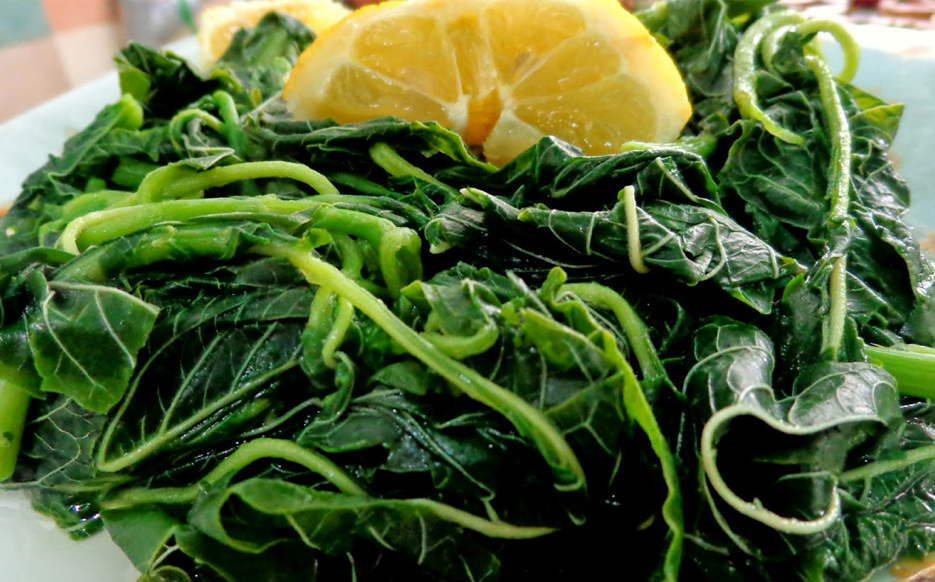
SHIPPED from Greece (EU) same day DitspatchTotally Greek Cretan Organic Seedschoose your weight 230 grams= 229.999 seeds AProx480 grams= 479.999 seeds AProx970 grams= 969.999 seeds AProxBLITUM THE ANTIOXIDANTS BLITUM Are an excellent source of vitamins, minerals and trace elements. One cup of boiled shells (132 g) provides based on the recommended daily intake, vitamin K (20%), vitamin A (73%), vitamin C (90%), folic acid (19%), riboflavin (10%) , vitamin B6 (12%), calcium (28%), iron (17%), magnesium (18%), potassium (24%) and manganese (57%). They provide a significant amount of nutrients such as carbohydrates, proteins, vitamin K, folic acid, riboflavin, vitamin A, vitamin B6 and vitamin C, essential for toning the body. They prevent electrolyte imbalance because it is an amazing source of manganese, iron, copper, calcium, magnesium, potassium and phosphorus, necessary to maintain the proper balance of minerals and trace elements in the body. They are ideal for a gluten free diet. People with gluten intolerance or celiac disease may eat bullets. In addition, a serving of 132 g. Boiled BLITUM provide 6% of the recommended daily allowance of protein. They help digestion. Due to their high fiber content, BLITUM help improve digestive health and reduce constipation. They are digestible and ideal for both young and old. They help in weight management. The proteins contained in the BLITUM help to reduce the levels of insulin in the blood, but also the feeling of hunger. BLITUM and diabetes (sugar). Several studies have shown that BLITUM have anti-diabetic activity and therefore help maintain lower blood sugar levels in people with type 2 diabetes. They reduce bad cholesterol. One of the key benefits of missiles is their ability to lower LDL cholesterol in the blood due to tocotrienol, a type of vitamin E, and the fiber it contains. They are also ideal for people with anemia, because they are rich in iron. A portion of 132 gr. Boiled BLITUM provide 17% of the recommended daily intake of iron. They reduce the risk of cardiovascular disease. BLITUM are an excellent dietary source of phytosterols, which lower blood pressure and prevent heart disease and stroke. Description Amaranthus blitum is an erect or semi-prostrate annual plant. The single or branched stem can grow to one metre (three point three feet) tall. The green or purplish leaves are up to 10 cm (4 in) long on stalks of a similar length and are arranged spirally. They are simple, roughly triangular in shape and have entire margins. The inflorescence is a spike with the tiny male and female flowers clustered together. The fruits are small globular capsules containing disc-shaped seeds.[3] Distribution and habitat Native to the Mediterranean region, it is naturalized in other parts of the world, including much of eastern North America,[1] much of tropical Africa, Western Europe and Japan.In Britain it was first recorded in the wild in 1771 when it appeared in Essex. It occurred more frequently in scattered locations in southern England in the 19th century but has since decreased. It is established in Guernsey and elsewhere as a casual plant, springing up on waste ground, rubbish tips and cultivated areas, probably from wool waste, coconut fibre or birdseed.[3] Uses Although not cultivated, this plant is gathered from the wild and eaten in many parts of the world.[4] The Greeks call the Amaranthus blitum var. silvestre, vlita (Modern Greek: βλίτα), and eat the leaves and the tender shoots cooked in steam or boiled and then served with olive oil, lemon and salt. Similarly, it is also picked as young shoots and cooked in olive oil, onion, chilli, and burghul, seasoned with salt and drizzled with lemon juice before eating with pita bread import taxes are not included


 GR, ATTIKH
