
$70.96
Add to Cart
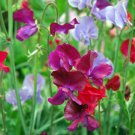
Wonderful Polygala myrtifolia Grandiflora Milkwort Sweet Pea Bush Shrub Garden Plant


Polygala myrtifolia Grandiflora' (Sweet Pea Shrub) - A large dense evergreen shrub that grows to 10 feet or more tall by an equal spread. The unique rich purple flowers have two winged petals that surround the whitish purple lacy crest. They bloom during most of the year, spring is their peak bloom period.
Sweet pea shrub's lovely foliage remains evergreen down to about 40 degrees Fahrenheit, and in regions that are never touched by frost, it may bloom nearly year-round with purple-pink flowers that resemble those of the sweet pea plant. It can survive in climates with temps down into the low 20s, where it will have a shorter but still impressive bloom period from midsummer into fall. Sweet pea shrub is a fast-growing plant that achieves full size in a single growing season when planted from a potted nursery specimen. It is normally planted in the spring after the soil has fully warmed.
Unlike sweet pea plant (Lathyrus odoratus), which is mildly toxic, sweet pea shrub is not toxic to humans or pets.
With enough sun and warm weather, sweet pea shrub is quite easy to grow and maintain. The main challenge is giving the plant the right amount of water at the right time, and pruning it regularly so the plant remains dense and full of blossoms.
Sweet pea shrub is most commonly planted in the spring from potted nursery plants. Prepare the planting area with plenty of organic material, then plant the shrub at the same height it was in its nursery container. Water regularly as the plant is becoming established, and feed it every spring.
Full sun or lightly dappled positions are best for the sweet pea shrub. This will ensure it flowers abundantly. If it gets too much shade, sweet pea shrub can become overly leggy with few blossoms.
While a sweet pea shrub is establishing itself, water regularly especially through the summer months so the soil doesn't dry out. Give it about one inch of water each week, unless your garden has received ample rainfall. Once established, sweet pea shrub is surprisingly tolerant of short droughts, up to two or three weeks. But extended droughts that completely dry out the plant's roots can be deadly.
It's a good idea to add mulch around the base of the plant once it has been established. This will help it to retain moisture during infrequent watering. Mulching will also help protect the shrub when the winter temperatures arrive.
Temperature and Humidity
Sweet pea shrub grows best in a warm, frost-free climate (zones 9 to 11). It can, however, still survive when temperatures drop as low as 20 degrees Fahrenheit for a short period. But this plant doe not like prolonged chilly, damp conditions.
Fertilizer
Using a balanced slow-release fertilizer in the spring can encourage strong blooming. In regions with especially long blooming periods, a second feeding in the fall is often helpful. Container plants may require monthly light feeding.
Ships to the US mainland only.
No shipping to PR.
PACKAGE
1 x Starter Plant
Sweet pea shrub's lovely foliage remains evergreen down to about 40 degrees Fahrenheit, and in regions that are never touched by frost, it may bloom nearly year-round with purple-pink flowers that resemble those of the sweet pea plant. It can survive in climates with temps down into the low 20s, where it will have a shorter but still impressive bloom period from midsummer into fall. Sweet pea shrub is a fast-growing plant that achieves full size in a single growing season when planted from a potted nursery specimen. It is normally planted in the spring after the soil has fully warmed.
Unlike sweet pea plant (Lathyrus odoratus), which is mildly toxic, sweet pea shrub is not toxic to humans or pets.
With enough sun and warm weather, sweet pea shrub is quite easy to grow and maintain. The main challenge is giving the plant the right amount of water at the right time, and pruning it regularly so the plant remains dense and full of blossoms.
Sweet pea shrub is most commonly planted in the spring from potted nursery plants. Prepare the planting area with plenty of organic material, then plant the shrub at the same height it was in its nursery container. Water regularly as the plant is becoming established, and feed it every spring.
Full sun or lightly dappled positions are best for the sweet pea shrub. This will ensure it flowers abundantly. If it gets too much shade, sweet pea shrub can become overly leggy with few blossoms.
While a sweet pea shrub is establishing itself, water regularly especially through the summer months so the soil doesn't dry out. Give it about one inch of water each week, unless your garden has received ample rainfall. Once established, sweet pea shrub is surprisingly tolerant of short droughts, up to two or three weeks. But extended droughts that completely dry out the plant's roots can be deadly.
It's a good idea to add mulch around the base of the plant once it has been established. This will help it to retain moisture during infrequent watering. Mulching will also help protect the shrub when the winter temperatures arrive.
Temperature and Humidity
Sweet pea shrub grows best in a warm, frost-free climate (zones 9 to 11). It can, however, still survive when temperatures drop as low as 20 degrees Fahrenheit for a short period. But this plant doe not like prolonged chilly, damp conditions.
Fertilizer
Using a balanced slow-release fertilizer in the spring can encourage strong blooming. In regions with especially long blooming periods, a second feeding in the fall is often helpful. Container plants may require monthly light feeding.
Ships to the US mainland only.
No shipping to PR.
PACKAGE
1 x Starter Plant
You may also be interested in:
-
$12.53
-
$17.69

-
$19.55
-
$14.51
-
$12.53

-
$17.69
-
$11.53

-
$13.94

-
$17.69
-
$13.94



 ID, Maluku
