
$18.18
On Hold
STINGING NETTLE 300 Seeds herb #LVGG
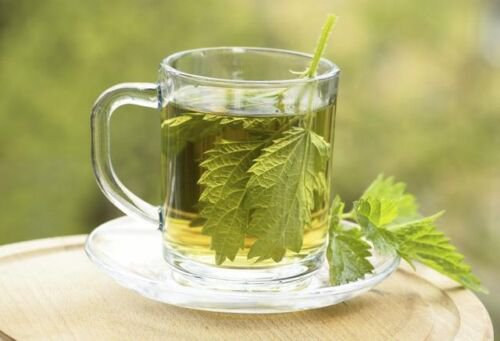
JELANG (Stinging) - 300 Seeds
(Urtica dioika)
Nettle is a medium-growing herbaceous perennial, up to 1.2 meters in height and up to 1 meter in width. The common English Stinging Nettle is known for its tiny hairs which sting and irritate the skin if they come in contact.
Stinging Nettle has a long history of use in traditional European medicine. In Ancient Greece, nettle was used as a laxative and diuretic. Today nettles are used in Germany to treat arthritis and are also used in Austrian traditional medicine for similar purposes.
All parts of the stinging nettle plant can be used for a variety of applications. The root is used traditionally to treat conditions related to the urinary tract and prostate, joint ailments, as a diuretic and astringent. The above-ground part of the plant is used for UTIs, kidney stones, allergies, hay fever, osteoarthritis, anemia, poor circulation, diabetes and many other conditions. Nettle can be rubbed on the skin as a poultice to help with sore muscles, oily scalp or hair, and can be included in shampoo to help with dandruff.
Nettle has a higher iron content than spinach, contains vitamins A and C, and can be used as an essential ingredient in 'green smoothies'. It is said to have a taste similar to that of spinach and cucumber when cooked, with a spicy undertone. The stinging effect on the leaves is counteracted by heat or by drying the leaves.
(Urtica dioika)
Nettle is a medium-growing herbaceous perennial, up to 1.2 meters in height and up to 1 meter in width. The common English Stinging Nettle is known for its tiny hairs which sting and irritate the skin if they come in contact.
Stinging Nettle has a long history of use in traditional European medicine. In Ancient Greece, nettle was used as a laxative and diuretic. Today nettles are used in Germany to treat arthritis and are also used in Austrian traditional medicine for similar purposes.
All parts of the stinging nettle plant can be used for a variety of applications. The root is used traditionally to treat conditions related to the urinary tract and prostate, joint ailments, as a diuretic and astringent. The above-ground part of the plant is used for UTIs, kidney stones, allergies, hay fever, osteoarthritis, anemia, poor circulation, diabetes and many other conditions. Nettle can be rubbed on the skin as a poultice to help with sore muscles, oily scalp or hair, and can be included in shampoo to help with dandruff.
Nettle has a higher iron content than spinach, contains vitamins A and C, and can be used as an essential ingredient in 'green smoothies'. It is said to have a taste similar to that of spinach and cucumber when cooked, with a spicy undertone. The stinging effect on the leaves is counteracted by heat or by drying the leaves.
You may also be interested in:
-
$3.70
-
$28.65
-
$2.84

-
$12.77
-
$16.51
-
$17.35
-
$18.97
-
$15.43
-
$17.15
-
$17.44


 ID, YOGYAKARTA
