
$109.38
Add to Cart
Unique Strawberry Gomphrena Gomphrena (Gomphrena globosa) 30 seeds
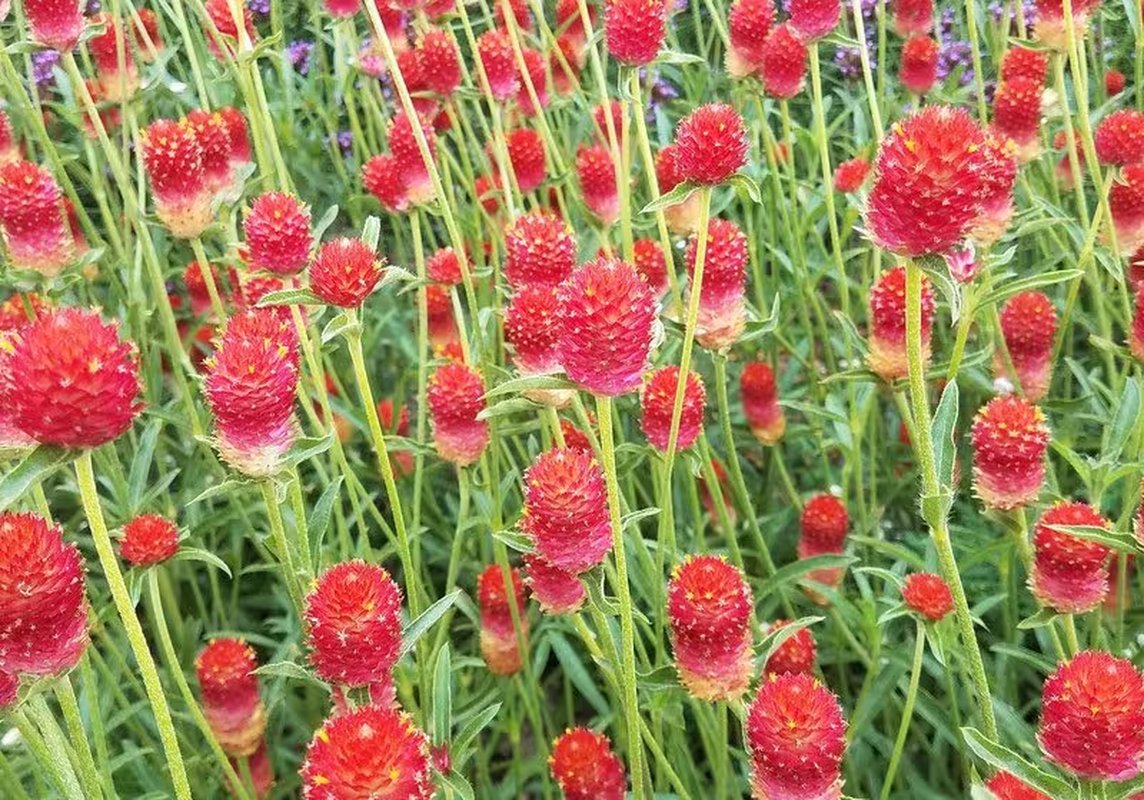
Unique Strawberry Gomphrena Gomphrena (Gomphrena globosa) 30 seeds
Seed processing or seed conditioning is indeed an important step in preparing harvested seeds for marketing to farmers. The processes involved are aimed at ensuring that the seeds are of high quality and ready for sowing. Here's a breakdown of the typical steps involved in seed processing:
Drying: After harvest, the seeds are typically dried to reduce their moisture content. This helps prevent mold and other issues during storage and transportation.
Threshing: Threshing is the process of separating the seeds from the rest of the plant material, such as the seed heads or pods. This is often done mechanically or manually, depending on the crop.
Pre-cleaning: Pre-cleaning involves removing larger impurities like leaves, stems, or other debris from the seeds. This step helps improve the overall quality of the seed lot.
Cleaning: Cleaning is a more thorough process that utilizes machines like seed cleaners or air separators to remove smaller impurities such as dust, chaff, or damaged seeds. This step further enhances the seed quality.
Size grading: Size grading involves separating the seeds into different size categories. This is done to ensure uniformity and to meet specific market requirements, as some crops have different size preferences.
Treating: Depending on the crop and intended use, seeds may undergo treatments such as fungicide or insecticide application. These treatments help protect the seeds from pests or diseases.
Quality testing: Quality testing is performed to assess the germination rate, purity, and vigor of the seeds. Various tests, including germination tests, are conducted to ensure that the seeds meet quality standards.
Packaging and labeling: Finally, the processed seeds are packaged in suitable containers, such as bags or packets, and labeled with essential information like crop variety, lot number, and instructions for use.
By undergoing these seed processing steps, the seeds are prepared to meet the highest quality standards and are ready for distribution to farmers. It ensures that the seeds are in optimal condition for successful germination and subsequent crop growth.
Seed processing or seed conditioning is indeed an important step in preparing harvested seeds for marketing to farmers. The processes involved are aimed at ensuring that the seeds are of high quality and ready for sowing. Here's a breakdown of the typical steps involved in seed processing:
Drying: After harvest, the seeds are typically dried to reduce their moisture content. This helps prevent mold and other issues during storage and transportation.
Threshing: Threshing is the process of separating the seeds from the rest of the plant material, such as the seed heads or pods. This is often done mechanically or manually, depending on the crop.
Pre-cleaning: Pre-cleaning involves removing larger impurities like leaves, stems, or other debris from the seeds. This step helps improve the overall quality of the seed lot.
Cleaning: Cleaning is a more thorough process that utilizes machines like seed cleaners or air separators to remove smaller impurities such as dust, chaff, or damaged seeds. This step further enhances the seed quality.
Size grading: Size grading involves separating the seeds into different size categories. This is done to ensure uniformity and to meet specific market requirements, as some crops have different size preferences.
Treating: Depending on the crop and intended use, seeds may undergo treatments such as fungicide or insecticide application. These treatments help protect the seeds from pests or diseases.
Quality testing: Quality testing is performed to assess the germination rate, purity, and vigor of the seeds. Various tests, including germination tests, are conducted to ensure that the seeds meet quality standards.
Packaging and labeling: Finally, the processed seeds are packaged in suitable containers, such as bags or packets, and labeled with essential information like crop variety, lot number, and instructions for use.
By undergoing these seed processing steps, the seeds are prepared to meet the highest quality standards and are ready for distribution to farmers. It ensures that the seeds are in optimal condition for successful germination and subsequent crop growth.
Other Products from earthuniverse (View All)
-
$109.38

-
$109.38

-
$87.33

-
$30.06

-
$102.61

-
$117.15

-
$99.30

-
$87.30

-
$31.63

-
$71.90


 ID, yogyakarta
