$15.99
On Hold
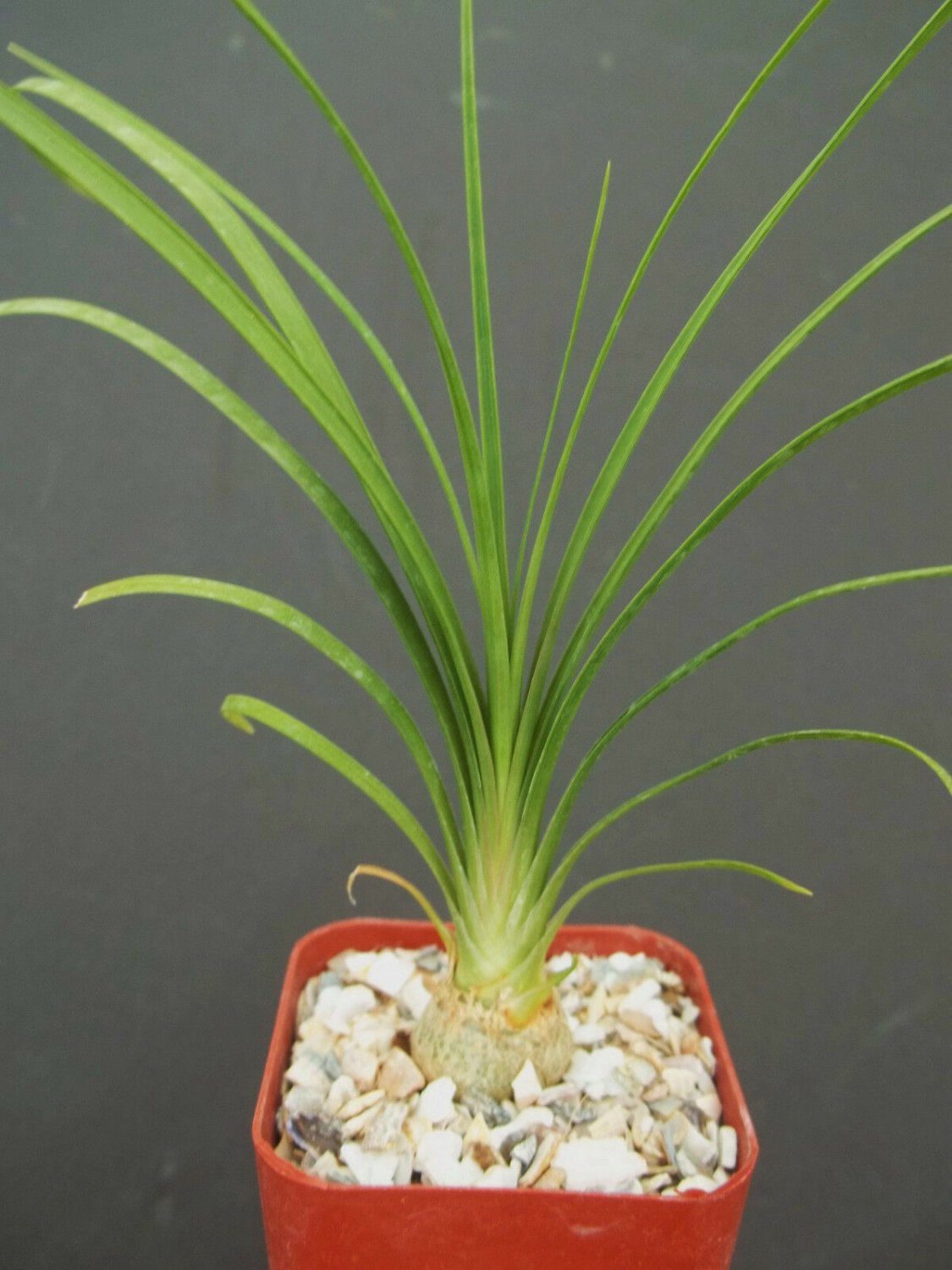
Beaucarnea Recurvata 2 Pot
3 available
Details
Shipping: Australia: $12.00 (more destinations)
Sales Tax: check
Condition: Brand new
*The store has not been updated recently. You may want to contact the merchant to confirm the availability of the product.
Beaucarnea recurvata (elephant's foot, ponytail palm) is a species of plant in the family Asparagaceae, native to the states of Tamaulipas, Veracruz and San Luis Potosí in eastern Mexico. Despite its common name, it is not closely related to the true palms. It is an evergreen perennial growing to 15 feet 6 inches (4.72 m) with a noticeable expanded caudex, for the purpose of storing water inside. The single palm-like stem produces terminal tufts of strap-shaped, recurved leathery leaves, sometimes hair lock-shaped in the ends, and with occasional panicles of small white flowers once the plant reaches over 10 years of age.
B. recurvata is often grown as a houseplant or outdoor plant in temperate climate gardens. It is hardy to −5 °C (23 °F), and grows in full sun to light shade. It needs a proper soil mix to drain when watered, and must never be over-watered or mudded, as this will foster pests like the mealybug and cochineal insect. It cannot resist cold temperatures so it must be an indoor plant in countries with strong winters. When repotted it must keep all its roots. To maintain its original shape, the ends of its leaves should not be snipped. It is very slow-growing and drought-tolerant. It has gained the Royal Horticultural Society's Award of Garden Merit.
B. recurvata is often grown as a houseplant or outdoor plant in temperate climate gardens. It is hardy to −5 °C (23 °F), and grows in full sun to light shade. It needs a proper soil mix to drain when watered, and must never be over-watered or mudded, as this will foster pests like the mealybug and cochineal insect. It cannot resist cold temperatures so it must be an indoor plant in countries with strong winters. When repotted it must keep all its roots. To maintain its original shape, the ends of its leaves should not be snipped. It is very slow-growing and drought-tolerant. It has gained the Royal Horticultural Society's Award of Garden Merit.
You may also be interested in:
-
$17.83
-
$12.88
-
$760.35
-
$14.26

-
$288.03
-
$11.89

-
$14.26
-
$14.26
-
$143.27

-
$10.15