
$47.14
On Hold
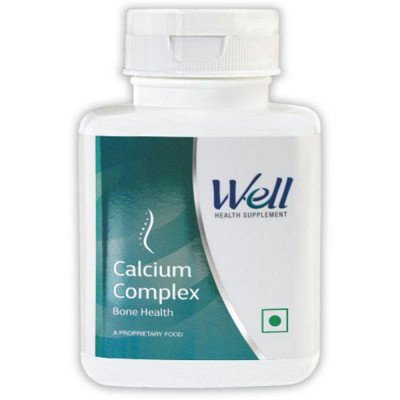
Modicare Calcium Complex (60tab)
5 available
Details
Shipping: Australia: $15.00 (more destinations)
Condition: Brand new
Returns: 30 days, seller pays return shipping (more)
*The store has not been updated recently. You may want to contact the merchant to confirm the availability of the product.
Calcium is essential for maintaining body health. Your body needs it every day not just to keep your bones and teeth strong over your lifetime, but to ensure proper functioning of muscles and nerves. Well calcium complex helps to maintain normal bone density and development. It not only contains calcium but also other vital nutrients like vitamin D magnesium, vitamin k2-7 and zinc that promotes bone health and gives body a strong foundation.
Calcium being most abundant in the body is required for a lot of functions like:
Vascular contraction and vasodilation
Muscle function
Nerve transmission
Intra-cellular signaling
Hormonal secretion
Bone tissue acts as a storehouse of calcium and maintains constant concentration of calcium in blood, muscle, and inter-cellular fluids. Foods sources of calcium include:
Milk, cheese, and yogurt
Leafy, green vegetables
Fishes like sardines and salmon
Chinese cabbage, kale, and broccoli.
Spinach provides low bio-availability of calcium
The amount of calcium varies as per age and other factors. Growing children and teenagers have a higher calcium requirement than adults. Older women need plenty of calcium stores to prevent osteoporosis.The two main forms of calcium in supplements are carbonate and citrate. Calcium carbonate appears to cause more side effects than calcium citrate.
Calcium carbonate is commonly available and is absorbed most efficiently when taken with food.
Calcium citrate is absorbed when taken with or without food. Calcium citrate is good for people with absorption disorders. Calcium citrate malate is a well-absorbed form of calcium found in some fortified juices.
Calcium absorption is highest in doses ≤500 mg. To alleviate side-effects, spread out the calcium dose throughout the day or take the supplement with meals. Factors that affect calcium absorption include:
Increased calcium intakes
Age factor
Decrease in Vitamin D intake
Phytic acid and oxalic acid inhibits calcium absorption. Foods rich in oxalic acid are spinach, collard greens, sweet potatoes and beans. Foods high in phytic acid are whole grains, beans, seeds, nuts & soy isolates.
Caffeine intake
Alcohol intake
Vegetarians might absorb less calcium than omnivores
Vegans and ovo-vegetarians might not obtain sufficient calcium
Calcium being most abundant in the body is required for a lot of functions like:
Vascular contraction and vasodilation
Muscle function
Nerve transmission
Intra-cellular signaling
Hormonal secretion
Bone tissue acts as a storehouse of calcium and maintains constant concentration of calcium in blood, muscle, and inter-cellular fluids. Foods sources of calcium include:
Milk, cheese, and yogurt
Leafy, green vegetables
Fishes like sardines and salmon
Chinese cabbage, kale, and broccoli.
Spinach provides low bio-availability of calcium
The amount of calcium varies as per age and other factors. Growing children and teenagers have a higher calcium requirement than adults. Older women need plenty of calcium stores to prevent osteoporosis.The two main forms of calcium in supplements are carbonate and citrate. Calcium carbonate appears to cause more side effects than calcium citrate.
Calcium carbonate is commonly available and is absorbed most efficiently when taken with food.
Calcium citrate is absorbed when taken with or without food. Calcium citrate is good for people with absorption disorders. Calcium citrate malate is a well-absorbed form of calcium found in some fortified juices.
Calcium absorption is highest in doses ≤500 mg. To alleviate side-effects, spread out the calcium dose throughout the day or take the supplement with meals. Factors that affect calcium absorption include:
Increased calcium intakes
Age factor
Decrease in Vitamin D intake
Phytic acid and oxalic acid inhibits calcium absorption. Foods rich in oxalic acid are spinach, collard greens, sweet potatoes and beans. Foods high in phytic acid are whole grains, beans, seeds, nuts & soy isolates.
Caffeine intake
Alcohol intake
Vegetarians might absorb less calcium than omnivores
Vegans and ovo-vegetarians might not obtain sufficient calcium
Other Products from bookyourproducts (View All)
-
$44.05

-
$93.36

-
$50.22

-
$37.89

-
$71.79

-
$51.76

-
$53.30

-
$47.14
-
$37.89

-
$44.05



 IN, India
