$6.27
On Hold
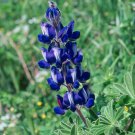
SELF HEAL ‘Prunella’ 25 RARE seeds
3 available
Details
Shipping: Australia: $6.00 (more destinations)
Sales Tax: check
Condition: Brand new
*The store has not been updated recently. You may want to contact the merchant to confirm the availability of the product.
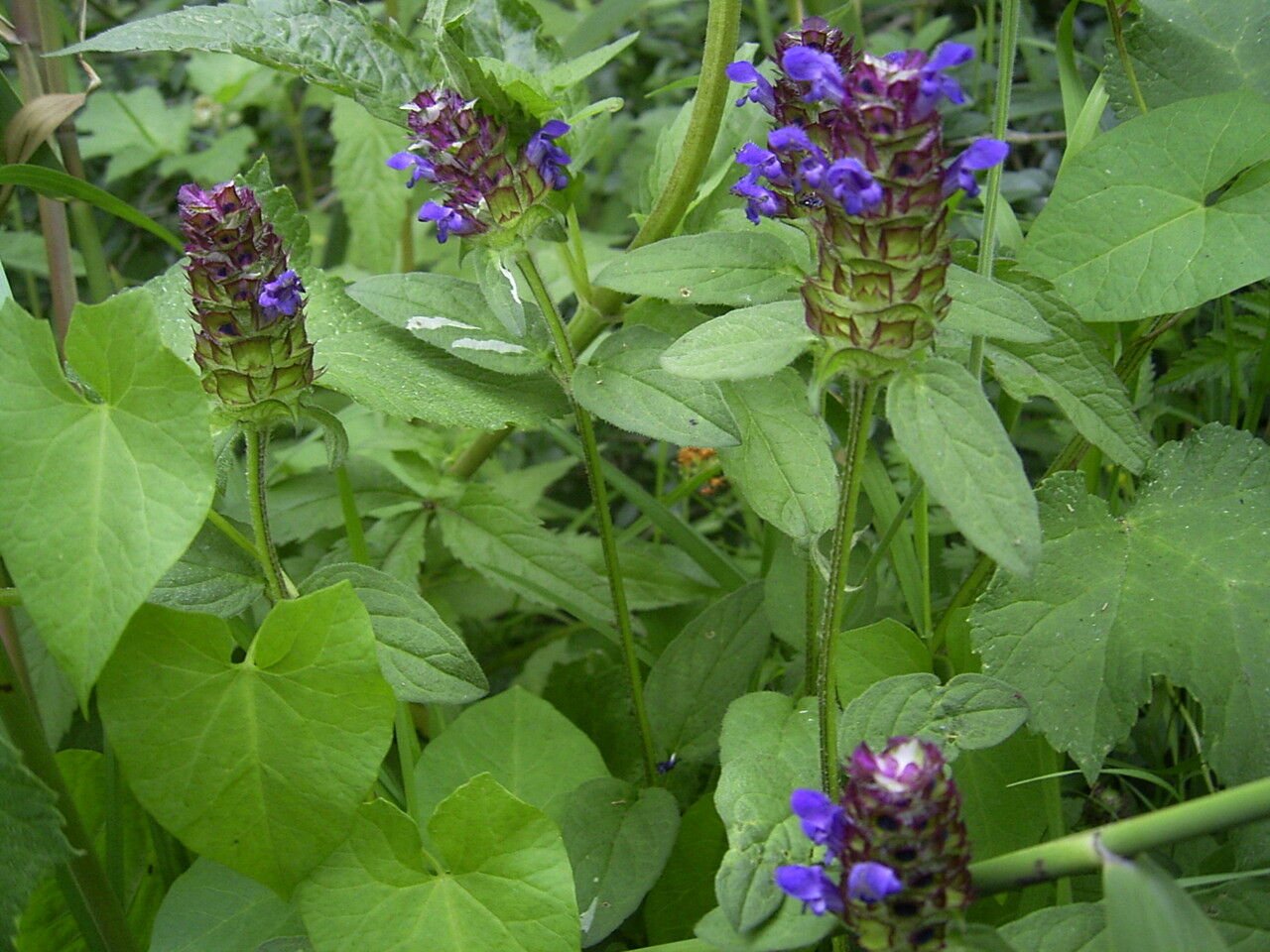
Self Heal, with the scientific name Prunella vulgaris, is a low growing herbaceous plant only reaching 10-30cm high. It creeps along by extending its roots as it grows so it can be used as a small groundcover. The leaf stalks are quite short at 5 cm long and the leaves are positioned in opposite pairs on the tough, square red coloured stems
It would be taken internally as a medicinal tea for sore throats, fevers, wounds, internal bleeding and weakness of the heart and liver. Chinese herbalists considered self heal useful for changing the course of a chronic disease.
There have been studies indicating some potential as antibacterial agents and for treating other conditions. The tannins may assist in reduction of skin swelling and inflammation and have an astringent effect on the skin. The active constituents include betulinic acid, rosmarinic acid, myristic acid, and tannins. The plant also contains vitamins A, C and K and thiamine.
A poultice may be made from the whole plant and placed on wounds to promote self healing. It was believed during the Middle Ages to have healing properties. Knights actually carried leaves of the Self Heal plant with them to use on wounds.
Self Heal is said to have a slight minty taste and may be used in salads, stews, soups and teas. Traditionally the Cherokee cooked and ate the young leaves and the Nlakapamux used to drink a cold tea infusion made from the whole plant as a common beverage. It contains vitamins A, C and K, flavonoids and rutin.
Propagation notes will be supplied with seed packet.
It would be taken internally as a medicinal tea for sore throats, fevers, wounds, internal bleeding and weakness of the heart and liver. Chinese herbalists considered self heal useful for changing the course of a chronic disease.
There have been studies indicating some potential as antibacterial agents and for treating other conditions. The tannins may assist in reduction of skin swelling and inflammation and have an astringent effect on the skin. The active constituents include betulinic acid, rosmarinic acid, myristic acid, and tannins. The plant also contains vitamins A, C and K and thiamine.
A poultice may be made from the whole plant and placed on wounds to promote self healing. It was believed during the Middle Ages to have healing properties. Knights actually carried leaves of the Self Heal plant with them to use on wounds.
Self Heal is said to have a slight minty taste and may be used in salads, stews, soups and teas. Traditionally the Cherokee cooked and ate the young leaves and the Nlakapamux used to drink a cold tea infusion made from the whole plant as a common beverage. It contains vitamins A, C and K, flavonoids and rutin.
Propagation notes will be supplied with seed packet.
You may also be interested in:
-
$41.96
-
$21.39
-
$21.39
-
$20.97
-
$21.39
-
$13.49
-
$32.23
-
$53.57
-
$4.57
-
$2.45